Hi, message us with any questions.
We're happy to help!





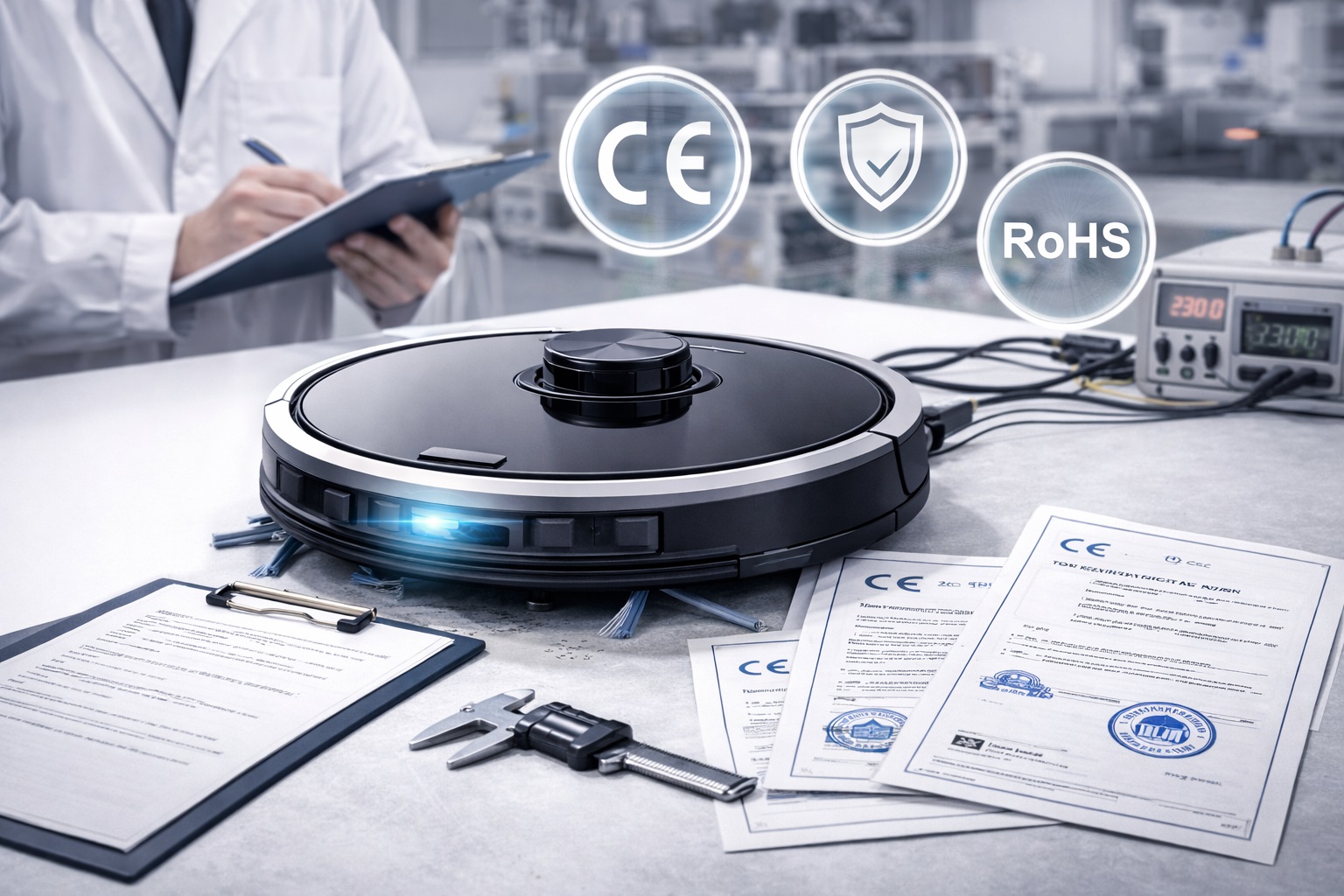
Ensuring that vacuum cleaners meet industry regulations is critical to both customer safety and market acceptance. Regulations cover a range of standards, including electrical safety, air quality, noise levels, and environmental sustainability. These regulations are not only legal requirements but also consumer expectations that ensure the vacuum performs reliably and safely.
In this article, we explore how manufacturers and distributors can ensure their vacuum cleaners meet industry regulations, focusing on compliance requirements for wet and dry vacuum cleaners, cordless models, multi-functional vacuums, and more.
🌍 1. Understand Regional Regulatory Requirements
Different regions have different regulations for vacuum cleaners. Manufacturers must ensure their products comply with the relevant standards in each market where they are sold.
Key global standards include:
CE (Europe): Ensures electrical safety, electromagnetic compatibility (EMC), and environmental compliance.
UL (USA): Certifies that products meet electrical and fire safety standards.
RoHS (Europe and Asia): Restricts the use of hazardous substances in electrical and electronic products.
Energy Star (USA): For energy-efficient products.
IEC (International): International standards for electrical and mechanical safety.
Pro Tip:
Ensure your vacuum design complies with these regulations early in the product development process. Failure to meet regulations can result in expensive recalls and reputational damage.
⚡ 2. Electrical Safety and Performance Regulations
Wet and dry vacuum cleaners and cordless vacuum cleaners are highly dependent on electrical components. Electrical safety is critical to prevent fire hazards, electric shocks, and operational failures.
Ensure compliance with:
Wiring standards: Use insulated cables, safe connectors, and avoid overloading circuits.
Battery safety: For cordless vacuums, ensure that lithium-ion batteries are certified, with protections for overcharging and overheating.
Compliance Tip:
Ensure that electrical components are tested for safety standards like UL 1017 (USA) or IEC 60335 (international standards) for electrical appliances.
🧠 3. Noise and Emissions Regulations
Noise pollution is a major consideration in the design of commercial and residential vacuums. Many regions have noise level regulations to protect consumers and employees.
Residential areas often require vacuums to operate at low decibel levels (e.g., less than 70 dB).
Commercial spaces may require vacuums to operate quietly to avoid disturbing other tenants (especially in offices or hotels).
For quiet vacuum cleaners, aim for models that are specifically designed for low noise:
Use noise-reducing materials (e.g., soundproof casings).
Design motor isolation systems that dampen sound.
Regulatory Insight:
Comply with regulations like EU noise emission standards and OSHA standards for workplace safety when designing vacuums for industrial or commercial use.
🧹 4. HEPA Filtration Compliance
HEPA filter vacuum cleaners are essential for maintaining indoor air quality, especially in healthcare, offices, and other sensitive environments. Regulatory bodies often set air filtration standards that products like these must meet to ensure clean air for users.
Key considerations include:
HEPA standard certification (e.g., HEPA H13 or H14 filters).
Testing to ensure that vacuum cleaners meet air quality standards for dust containment.
Health & Safety Tip:
HEPA filters should be rated for 99.97% efficiency at 0.3 microns to meet the minimum required standards for commercial environments like hospitals and schools.
🔄 5. Product Testing and Certification
Before a vacuum cleaner is released to the market, it must undergo rigorous testing to ensure that it meets both safety and performance standards. These tests include:
Safety testing (electrical, fire, and shock resistance).
Performance testing (suction power, filtration efficiency, noise levels).
Durability testing (long-term use and stress conditions).
Certification Bodies:
Make sure your products are certified by trusted agencies like UL, CE, and ETL. Certification proves that your vacuums meet all the necessary safety and regulatory standards, giving consumers confidence in your brand.
Tip:
Always have a third-party testing partner to ensure independent verification of compliance before launching products.
🛠 6. Design Considerations for Compliance
To ensure your vacuum cleaners comply with industry standards, consider the following design aspects:
Safe electrical components: Ensure that wiring, motors, and batteries meet the minimum safety standards.
User-friendly controls: For consumer safety, include easy-to-understand instructions and clear labeling for safety features (e.g., "Do not use with wet surfaces").
Compact and durable construction: For residential and apartment vacuum cleaners, design units that are durable, lightweight, and easy to maintain.
Design Insight:
Consider working with certified engineers to incorporate compliance requirements directly into the design process.
🌱 7. Environmental Impact: Sustainable Materials and Waste Reduction
With the growing demand for sustainability, many regions are introducing stricter environmental regulations for products. This includes reducing plastic waste, ensuring recyclable components, and ensuring that vacuums have minimal environmental impact at the end of their lifecycle.
Use recyclable materials in product components (housing, filters).
Design for easy disassembly to facilitate recycling.
Use low-energy motors and eco-friendly packaging.
Sustainability Tip:
Energy Star certification can help position your product as a green solution while complying with global standards for energy consumption.
✅ 8. Ongoing Compliance and Recertification
Regulatory requirements evolve, and so must your products. After your vacuum cleaners are on the market, it’s crucial to:
Monitor regulatory changes: Stay updated with local and international regulations (e.g., changes in EU RoHS or battery regulations).
Recertify products periodically to ensure they continue to meet updated standards.
Pro Tip:
Establish a compliance management system to ensure all products are regularly reviewed and updated in line with the latest industry regulations.
✅ Conclusion: Compliance Is Critical for Market Success
Ensuring that your vacuum cleaners meet industry regulations is not just about avoiding legal consequences—it’s about building trust, providing a safe product for customers, and gaining access to lucrative global markets. By focusing on:
Safety testing and certification (UL, CE, RoHS, Energy Star)
Noise and environmental compliance (sustainable materials, noise regulations)
HEPA filtration and air quality standards
Manufacturers can ensure that their products not only meet regulatory standards but also enhance customer satisfaction and brand loyalty.
In today’s market, compliance is an investment in the future, ensuring that your vacuums stay competitive in a rapidly evolving global marketplace.
📌 Suitable Reading Audience
Vacuum Cleaner Manufacturers
B2B Vacuum Dealers & Distributors
Product Compliance Managers
Quality Assurance Engineers
📌 Hashtags
wet and dry vacuum cleaner, Multi-Functional Durable Vacuum Cleaner, Cordless Vacuum Cleaner, Fast Lightweight Vacuum Cleaner, Apartment Vacuum Cleaner, HEPA Filter Vacuum Cleaner, Vacuum Industry Regulations, CE Certification for Vacuums, UL Safety Standards for Vacuum Cleaners, RoHS Compliance, Vacuum Noise Emissions, HEPA Filter Certification, Energy Star Certification, Vacuum Cleaner Testing, Electrical Safety Regulations for Vacuums, Vacuum Manufacturing Compliance, Eco-Friendly Vacuum Design, Environmental Standards for Cleaning Equipment, Vacuum Cleaner Design Compliance, Vacuum Motor Safety, Battery Safety in Cordless Vacuums, Sustainable Vacuum Materials, Compliance in Commercial Cleaning Equipment, Global Vacuum Standards, Product Safety Testing, Vacuum Cleaner Performance Testing, Vacuum Certification Bodies, Eco-Friendly Packaging for Vacuums, Recyclable Vacuum Materials, Vacuum Cleaner Noise Regulation, International Cleaning Equipment Standards, Commercial Vacuum Regulatory Compliance, Sustainable Vacuum Solutions, Regulatory Compliance for Vacuum Manufacturers, Vacuum Filter Regulations, Energy Efficient Vacuum Cleaners, Indoor Air Quality Standards, Regulatory Updates for Vacuums, Product Recertification, Vacuum Cleaner Lifecycle Management, Lanxstar



