Hi, message us with any questions.
We're happy to help!





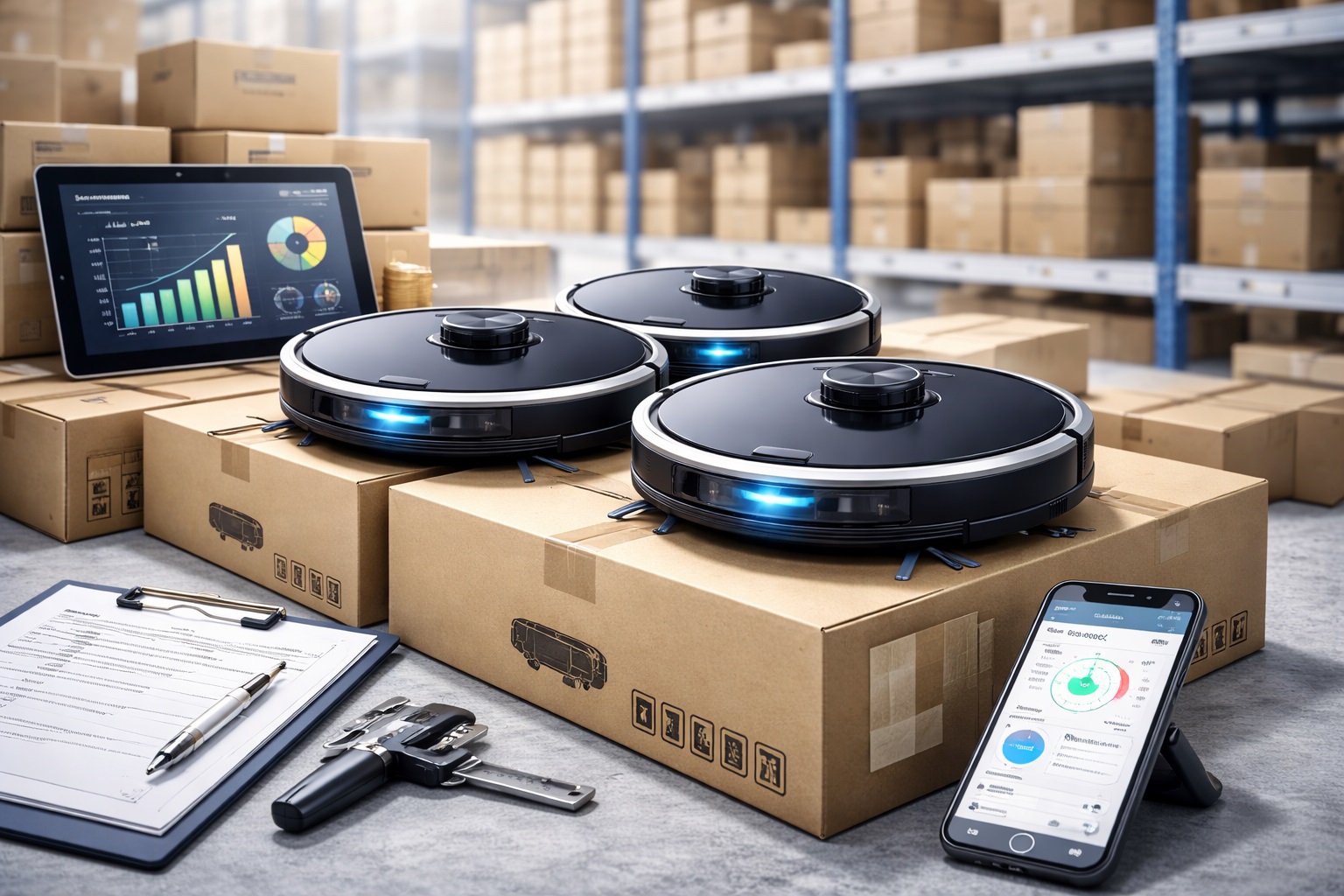
Managing inventory effectively is one of the most crucial aspects of running a successful vacuum distribution or retail business.
Overstocking means tied-up capital, storage costs, and discounting pressure to clear excess stock. On the other hand, understocking can lead to missed sales, customer dissatisfaction, and lost market share.
This article explores how vacuum dealers can avoid overstock and meet market demand by balancing demand forecasting, flexible stock management, and strategic product selection.
📊 1. Data-Driven Demand Forecasting: The Foundation of Smart Inventory
Accurate demand forecasting is the backbone of avoiding overstock.
Using data analytics tools, vacuum dealers can forecast demand based on:
Historical sales data
Seasonal trends
Market insights (e.g., consumer behavior, economy shifts)
Regional differences in cleaning product preferences
Promotional calendars and market events
Key Takeaway:
Wet and dry vacuum cleaners or other models with predictable seasonal demand can be stocked in lower quantities, with the remaining quantities ordered closer to peak demand.
🔄 2. Product Segmentation: Focus on High-Demand Categories
Rather than carrying a broad range of stock, dealers can focus on high-demand categories like:
Multi-Functional Durable Vacuum Cleaners: These models appeal to both residential and commercial customers, offering versatility and value.
Portable Self-Cleaning Vacuum Cleaners: Popular in markets with tech-savvy consumers who prioritize convenience and efficiency.
Quiet Vacuum Cleaners: Increasingly demanded for commercial spaces that require low-noise operation.
Focusing on these high-demand segments helps reduce the risk of overstocking niche models that may not sell as quickly.
Operational Tip:
Offer promotions and discounts on slow-moving items to clear inventory without forcing excess stock into future seasons.
🛠 3. Agile Supply Chain Management for Flexibility
An agile supply chain allows dealers to adjust quickly to market fluctuations. By working closely with suppliers, OEMs, and distributors, dealers can:
Implement just-in-time inventory strategies
Adjust stock levels based on real-time market conditions
Opt for smaller, more frequent shipments to reduce storage costs and improve cash flow
Supply Chain Insight:
A flexible supply chain ensures that dealers never carry excess stock and can still meet unpredictable surges in demand.
📦 4. Avoid Overstock by Implementing Inventory Limits for Each Model
Dealers can use inventory limits to cap the quantity of each model ordered based on anticipated demand. For example:
Apartment Vacuum Cleaners might have less demand during off-seasons but experience a surge during spring cleaning periods.
Portable Vacuum for Travel might see peak sales during holiday travel seasons or promotions targeting leisure customers.
Best Practice:
By using automated inventory management systems with real-time tracking, dealers can adjust orders accordingly, preventing overstock and stockouts.
🧠 5. Plan for Market Seasonality: Wet & Dry Vacuums, for Example
Certain vacuum models, like wet and dry vacuum cleaners, experience seasonal demand fluctuations due to weather, events, or commercial cleaning cycles.
Dealers can plan accordingly by:
Monitoring seasonal trends: Wet & dry vacuums are likely in higher demand during rainy seasons.
Offering pre-order options to gauge early interest and ensure stock is aligned with demand.
Using historical data from previous years to predict future trends.
Efficiency Tip:
Dealers should ensure that flexible stock management tools are in place to meet seasonal demand spikes without overcommitting to large quantities.
🚗 6. Capitalize on Niche Markets with Portable Car Vacuum Cleaners
Portable vacuums, especially car vacuum cleaners, are in demand, particularly with car owners looking for quick and effective cleaning solutions.
Dealers can:
Create targeted marketing campaigns for pet owners or frequent travelers, which helps tailor stock specifically to that niche.
Offer limited-edition or bundle deals for car vacuums to increase sales without overstocking.
Market Opportunity:
Focusing on niche segments with tailored messaging can increase demand without committing to large volumes of stock.
🎯 7. Optimize Marketing Efforts to Align with Demand
Marketing plays a significant role in driving demand and adjusting inventory needs.
Pre-launch campaigns for new product lines (e.g., portable self-cleaning vacuums) allow dealers to gauge interest.
Seasonal promotions (e.g., spring cleaning sales) can drive increased sales for wet & dry vacuums during the peak season.
Cross-selling opportunities can increase sales of multi-functional vacuums during slower months.
Smart Marketing:
Promotions should be aligned with inventory cycles to prevent excessive stock buildup while maximizing demand during peak times.
🔄 8. Product Lifecycle Management: Understanding Product Rotations
Understanding a product’s lifecycle and how often it needs to be refreshed is crucial in managing inventory. Some vacuums might only be popular for a limited time or may need to be replaced by newer models.
Dealers can:
Plan ahead for product refresh cycles to ensure that popular models are replenished before they sell out.
Identify slow-moving inventory and offer discounts to clear them out before the next product cycle.
Lifecycle Insight:
Aligning stock rotations with product lifecycles keeps inventory fresh and relevant, avoiding overstocking of outdated models.
✅ 9. Inventory Automation Tools: Improve Forecasting and Adjustments
Using advanced inventory management systems helps vacuum dealers forecast demand and adjust stock levels in real-time. Some systems offer:
Automated reorder points based on past sales
Demand prediction algorithms based on trends, promotions, and external factors
Inventory visibility for better decision-making
Technology Tip:
Adopt cloud-based, integrated systems that track inventory across multiple channels and locations for dynamic, real-time stock management.
✅ Conclusion: Balance is Key to Managing Overstock and Meeting Demand
For vacuum dealers, success lies in balancing supply and demand without overstocking, through:
Accurate demand forecasting
Flexible and agile supply chains
Targeted product selection and promotions
Data-driven inventory management
The goal is to be responsive, rather than reactive, to changes in demand. By implementing these strategies, dealers can optimize their inventory, reduce unnecessary stock, and meet customer demand more efficiently—boosting profits while maintaining high service levels.
📌 Suitable Reading Audience
Vacuum Cleaner Dealers & Distributors
Retailers in Commercial and Residential Markets
Supply Chain & Inventory Management Professionals
Marketing & Sales Managers in B2B Cleaning Equipment
📌 Hashtags
wet and dry vacuum cleaner, Multi-Functional Durable Vacuum Cleaner, Portable Self-Cleaning Vacuum Cleaner, Quiet Vacuum Cleaner, Apartment Vacuum Cleaner, Portable Vacuum for Travel, Vacuum Inventory Management, B2B Cleaning Equipment, Cleaning Equipment Supply Chain, Demand Forecasting for Vacuums, Commercial Vacuum Inventory, Flexible Stock Management, Seasonal Vacuum Sales, Vacuum Dealer Strategy, Efficient Inventory Tools, B2B Vacuum Market, Inventory Automation, Vacuum Overstock Solutions, Stock Management for Dealers, Product Lifecycle in Cleaning, Market-Driven Stock Adjustments, Cleaning Equipment Sales, Vacuum Cleaner Distribution Strategy, Forecasting Demand for Vacuums, Niche Vacuum Markets, Vacuum Supply Chain Flexibility, Wet and Dry Vacuum Demand, Car Vacuum Cleaner Trends, Smart Inventory Solutions, Multi-Channel Inventory Tracking, Marketing Driven Sales Forecasting, Vacuum Sales Automation, High-Demand Cleaning Equipment, Product Rotation in Retail, Smart Cleaning Equipment Procurement, Commercial Vacuum Sales Strategy, Inventory Control for Dealers, Global Vacuum Supply Chains, Retailer Stock Management, Sustainable Inventory Practices, Profit Optimization for Dealers, Supply Chain Technology for Cleaning Equipment, Lanxstar