Hi, message us with any questions.
We're happy to help!





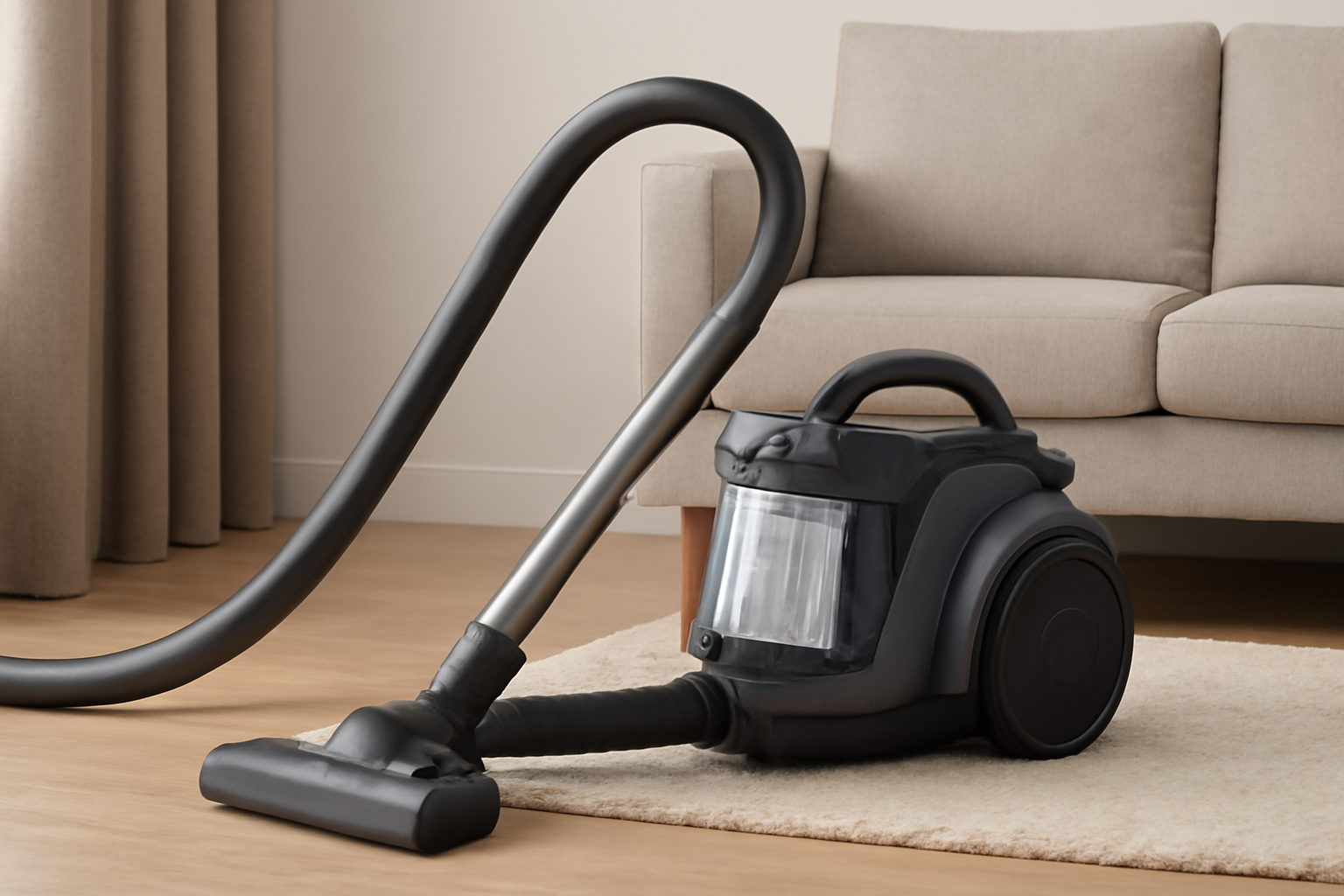
Introduction: Why Allergens Are the Next Competitive Battlefield for B2B Vacuum Engineering
“In allergy-sensitive homes, a vacuum isn’t just a tool—it’s the first line of defense in indoor health management.”
— Dr. Helena Weiss, European Indoor Air Quality Research Group
Across Europe, North America, and the Middle East, asthma, hay fever, and dust mite allergies are on the rise. High-value homebuyers, healthcare facilities, and premium property managers are demanding vacuum cleaners that do more than just clean—they must actively reduce airborne allergens and protect respiratory health.
But what makes a vacuum truly “allergy friendly” from an engineering and procurement perspective?
This guide is designed for R&D teams, technical buyers, and industry leaders looking to deliver real-world results and win in the growing allergy-care segment.
🌍 Market Drivers: Why Allergy-Focused Vacuums Matter More Than Ever
Rising Incidence: Over 30% of households in the EU and 28% in the Middle East report at least one allergy sufferer (Source: WHO, 2024).
Air Quality Scrutiny: Regulatory standards for indoor air, particularly in schools and care homes, are getting stricter—B2B buyers are expected to provide test data.
Procurement Shift: Cleaning associations and B2B buyers now rank “certified HEPA filtration” and “allergen containment” among their top three purchase criteria.
🔬 The Three Foundations of an Allergy-Optimized Vacuum
1. HEPA Filter Vacuum Cleaner—Not All HEPA Is Equal!
The gold standard is HEPA 13/14, capturing ≥99.95% of particles down to 0.3 microns.
Engineer’s Checklist:
True HEPA (not “HEPA-like”)—request independent test results
Sealed filtration systems to prevent bypass “leaks”
Filter lifespan and cost per replacement cycle
2. High Suction, Low Blowback
A powerful Energy-Saving Efficient Powerful Vacuum Cleaner or High Suction Vacuum Cleaner pulls allergens from deep in carpets and upholstery—but air exhaust must be carefully filtered to avoid recirculating particles.
Advanced models direct airflow through multi-stage filters before release, protecting the entire room.
3. Multi-Functional Attachments and Easy Maintenance
Allergy-prone environments demand:
Upholstery and mattress tools for dust mite control
Wet/dry capability for mold or pet mess
Quick, hygienic filter/bag changes—reducing allergen exposure for cleaning staff and users
🏆 Product Engineering Framework: The Allergy-Optimized Design Process
A. Filtration Validation
Use laser particle counters to measure output air quality (should match or exceed HEPA 13/14 benchmarks)
Perform pressure drop and airflow tests to ensure suction isn’t sacrificed for filtration
B. System Integrity Testing
Run vacuum leak tests (smoke/CO2) to confirm full-seal filtration
Simulate real use: vacuum fine dust, pet dander, pollen on various surfaces
C. Usability and Serviceability
Design for tool-free filter/bag swaps
LED or app-based filter change alerts for allergy-prone users
Develop pictogram guides for cleaning staff in multi-language environments
D. Certification and Documentation
Prepare CE/UL/EU Allergy Seal paperwork
Package with local language compliance statements for tender bids
🏡 Case Study: Engineering for the Allergy-Care Home Market
Challenge:
A German R&D team aimed to capture the “healthy home” B2B contract for a luxury real estate group catering to allergy sufferers.
Solution:
Developed a High Suction Vacuum Cleaner with fully-sealed HEPA 14 filtration, modular wet/dry head, and ergonomic dustbin emptying. They piloted in 60 homes, collecting air particle data before and after use.
Results:
48% drop in reported allergy symptoms over 3 months
Passed all third-party air quality tests
Won a 3-year, 200-unit supply contract with filter/bag subscription upsells
Engineer’s Feedback:
“Combining real filtration science with ergonomic service made us the go-to brand for wellness-driven projects.”
🤖 Innovation Watch: Next-Gen Tech for Allergy Defense
Allergen Sensors: Vacuums with real-time allergen counting and reporting for both consumers and compliance audits
UV-C Sterilization: Add-on modules for killing bacteria, viruses, and mold spores
Self-Cleaning Filters: Reduce exposure during maintenance
Smart App Integration: Monitor air quality, filter status, and cleaning analytics from a mobile device
Eco Material Innovations: Biopolymer filter frames, VOC-free plastics, and recyclable filter media
💡 FAQ: Product R&D and Technical Buyer’s Questions
Q: Can you retrofit HEPA 14 filtration to existing vacuum designs?
A: Possible, but airflow optimization and full-system sealing must be re-engineered—always validate with lab testing.
Q: How often should allergy clients change filters?
A: For optimal results, every 3–6 months—use sensors or usage-based reminders to automate client re-orders.
Q: Do bagless vacuums meet allergy standards?
A: Only if equipped with sealed dust compartments and anti-allergen disposal; bagged units are still preferred by some professionals for zero-contact changes.
Q: What’s the fastest way to prove “allergy friendly” claims to B2B buyers?
A: Provide third-party test results and demo units, and include staff training for safe filter changes.
📋 R&D Engineering Checklist: The Allergy Defense Build
Certified HEPA 13/14 filtration (with third-party validation)
Sealed system (no bypass leakage)
High suction with pressure drop control
Modular wet/dry, upholstery, and mattress tools
Quick, hygienic filter/bag change process
LED/app-based maintenance alerts
Documentation for local/global compliance
Spare parts and subscription filter supply chain
Eco-friendly material options
Allergen sensor or reporting (optional for high-end models)
🏁 Conclusion: From Compliance to Competitive Advantage in Allergy-Focused Cleaning
For product engineers and B2B buyers, the future of vacuum cleaning isn’t just “more power”—it’s proven allergy defense, air quality certification, and smarter user experience.
Design, certify, and deliver vacuum systems that solve real health needs, and you’ll win the contracts that drive both revenue and reputation in Western and Middle Eastern markets.
Ready to prototype, validate, or spec your next allergy-proof vacuum? Contact our engineering solutions team for a technical consultation or product trial.
Hashtags
HEPAFilterVacuumCleaner, EnergySavingEfficientPowerfulVacuumCleaner, HighSuctionVacuumCleaner, MultiFunctionalAttachments, AllergyFriendlyVacuum, WetAndDryVacuumCleaner, SealedFiltration, AirQualityControl, FilterValidation, ModularDesign, AppIntegratedVacuum, UVCSterilization, SelfCleaningFilter, AllergenSensor, BaggedVacuum, BaglessVacuum, ToolFreeMaintenance, LEDMaintenanceAlert, EcoFriendlyMaterial, BiopolymerFilter, SubscriptionFilter, ThirdPartyTest, ProductEngineering, RnDInnovation, ComplianceDocs, AllergySeal, AirQualityStandard, WellnessHome, FacilityHealth, SmartVacuum, CleaningAnalytics, PressureDrop, LeakTest, ErgonomicDesign, StaffTraining, QuickFilterSwap, TenderBid, ModularVacuum, VOCFreePlastic, LocalSupport, RealTimeMonitoring, TechnicalDemo, CommercialSuccess, HealthyHome, Lanxstar