Hi, message us with any questions.
We're happy to help!





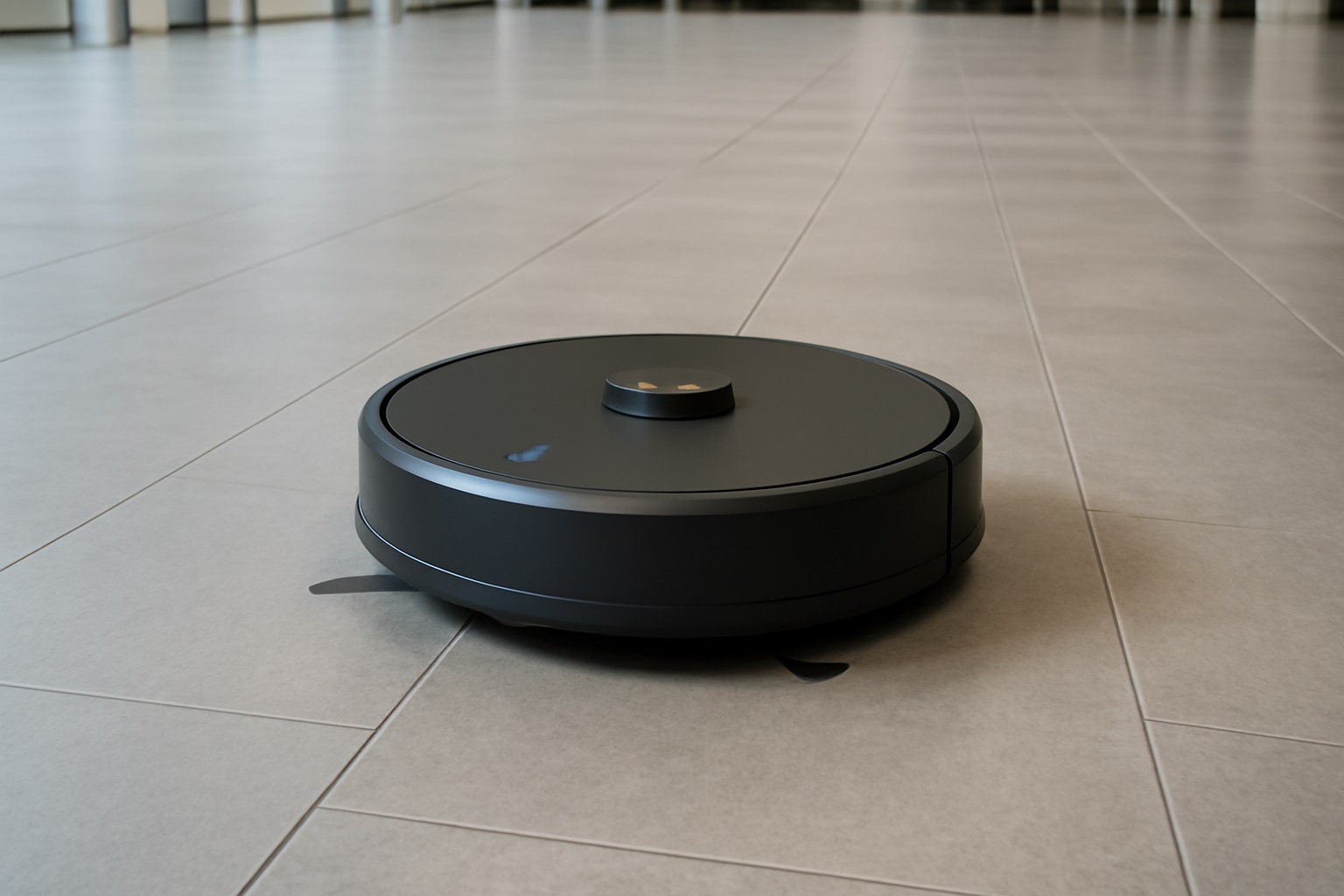
Cleaning large spaces, whether it's a commercial building, a multi-room home, or an industrial facility, can be a time-consuming and labor-intensive task. However, the introduction of vacuum automation has revolutionized the way these spaces are cleaned, making the process faster and more efficient. Today’s smart vacuum cleaners, large-capacity wet dry vacuum cleaners, and even car vacuum cleaners offer automated features that save time and improve cleaning quality. Let’s explore how automation in vacuum cleaners is helping to save time and reduce labor costs in large spaces.
The Evolution of Vacuum Automation
Traditional household vacuum cleaners and upright vacuum cleaners were designed for manual operation, requiring constant supervision and effort. Cleaning large areas with these models would often take hours, especially in spaces that are not easy to reach or require frequent movement of furniture.
In contrast, modern vacuum automation systems, found in smart vacuums and large-capacity wet dry vacuum cleaners, automate the entire cleaning process. These vacuums use advanced navigation, sensors, and AI-powered mapping to clean efficiently and autonomously, dramatically reducing the time spent on cleaning large areas.
What is Vacuum Automation?
Vacuum automation involves using technology that allows a vacuum cleaner to operate autonomously. With features such as AI-driven navigation, sensors, mapping, and scheduling, automated vacuums can clean large areas without the need for human intervention. Some models even have self-charging features, allowing them to return to their charging stations and resume cleaning without being manually restarted.
How Automation Saves Time in Large Spaces
Efficient Navigation and Mapping
One of the primary ways smart vacuum cleaners save time is through their advanced navigation and mapping features. Vacuum automation systems use sensors and mapping technology to scan the space and create a layout of the area. Once the vacuum has mapped the space, it knows exactly where to go and in which order to clean. This eliminates the need for the vacuum to retrace its steps or clean the same area twice, ensuring optimal efficiency.
For example, a large-capacity wet dry vacuum cleaner equipped with mapping technology will automatically divide the area into sections and clean each section in the most efficient path. This drastically reduces cleaning time in large spaces compared to manual vacuums that require more attention and human involvement.
Scheduled Cleaning for Large Spaces
Scheduling is another way vacuum automation helps save time. With smart vacuums, users can set cleaning schedules based on the time of day, cleaning needs, and the type of space. For example, a vacuum automation system can be programmed to clean large office spaces or a multi-room home at night when no one is around, ensuring the space is clean without interrupting daily operations.
Additionally, automated vacuums can be scheduled to run during off-peak hours when the building or home is least occupied, reducing the need for human intervention. This automation ensures that cleaning tasks are completed consistently and without the need for oversight.
Self-Charging and Resuming
One of the key benefits of vacuum automation in large spaces is the vacuum's ability to self-charge and resume cleaning. For example, many smart vacuum models are designed to return to their charging station automatically when their battery runs low. After charging, they continue from where they left off, without requiring manual intervention.
This self-charging feature is especially useful in large spaces where cleaning might take several hours. It ensures that the vacuum is continuously cleaning and doesn’t require someone to stop and restart the process, saving valuable time and ensuring that cleaning tasks are completed without interruption.
Reduced Labor Costs
Manual cleaning in large spaces often requires multiple staff members to cover different areas, making the cleaning process time-consuming and labor-intensive. Vacuum automation minimizes the need for manual labor, allowing one or two automated vacuums to handle the entire cleaning task. This can significantly reduce labor costs in commercial spaces, hotels, office buildings, and even large homes.
For instance, a large-capacity wet dry vacuum cleaner can be used to clean large areas such as warehouses or conference rooms, ensuring that the vacuum works continuously and autonomously while staff focus on other tasks.
Cleaning Multiple Surfaces Simultaneously
Many smart vacuum cleaners are designed to clean multiple surfaces effectively. From hardwood floors to carpets, vacuum for multi-surface models can seamlessly switch between surface types, adjusting their settings as needed. This feature is invaluable in large spaces with different flooring types, saving time by eliminating the need for manual adjustments.
A car vacuum cleaner, for example, can be used to clean multiple areas of your vehicle in a short amount of time without needing to move between different cleaning tools. This multi-surface cleaning ability ensures that every part of a large space is covered without missing spots or requiring extra time for different tasks.
Real-Life Example: Automating Commercial Cleaning
In a commercial setting, such as a large office building or hotel, vacuum automation can save considerable time and reduce labor costs. For example, a hotel may deploy several smart vacuums to clean guest rooms, hallways, and public areas. These vacuums can be programmed to clean at night, and the automation ensures that the hotel is always ready for guests without the need for extra cleaning staff.
Additionally, large office buildings can benefit from vacuum automation by ensuring that floors are cleaned during off-peak hours. With the ability to navigate autonomously, the vacuum can cover a vast area quickly, making it a more efficient option compared to traditional manual cleaning methods.
Conclusion
The integration of vacuum automation in modern vacuum cleaners is transforming cleaning management, particularly in large spaces. By using smart vacuum cleaners, large-capacity wet dry vacuum cleaners, and other automated models, businesses and homeowners alike can significantly reduce cleaning time and labor costs. With features like efficient navigation, self-charging, multi-surface cleaning, and scheduling, these vacuums make it easier than ever to maintain a clean environment with minimal human intervention.
Whether you need to clean a large office, an industrial facility, or a multi-room home, vacuum automation is a game-changer for optimizing time, improving efficiency, and reducing costs.
Hashtags
SmartVacuum, UprightVacuumCleaners, HouseholdVacuumCleaners, LargeCapacityWetDryVacuumCleaner, VacuumAutomation, SmartVacuum, CarVacuumCleaner, VacuumForMultiSurface, TimeSavingCleaning, CleaningOptimization, EfficientVacuuming, SelfChargingVacuum, CommercialVacuum, Lanxstar.