Hi, message us with any questions.
We're happy to help!





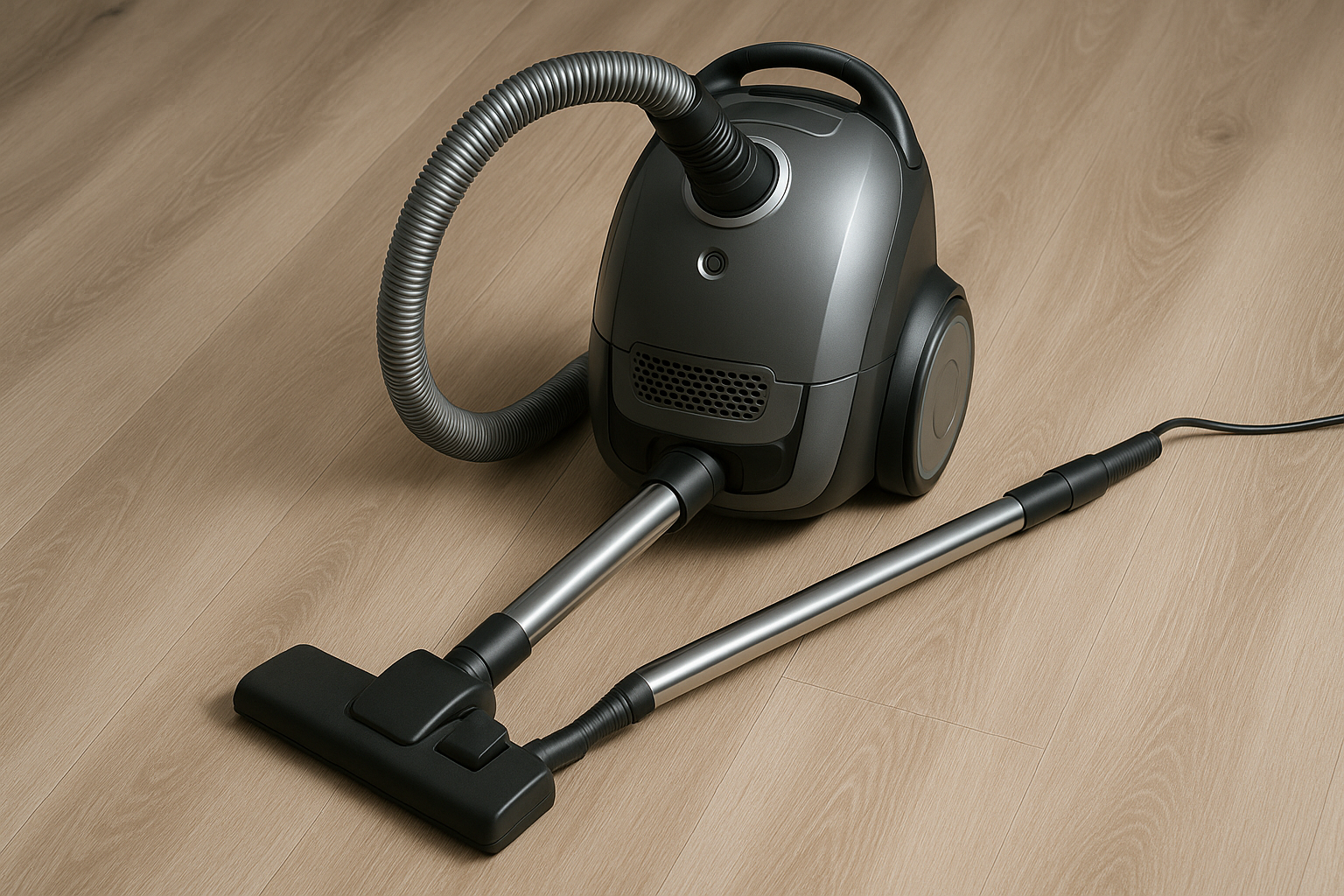
In the world of vacuum cleaner distribution, “suction power” is the single most misunderstood — and most oversold — specification.
For distributors, procurement managers, and product engineers, understanding what suction power really means is essential for sourcing High Suction Vacuum Cleaners that perform efficiently, not just look powerful on paper.
This guide breaks down the technology, testing standards, and buying considerations behind suction power — providing clear insight for smarter vacuums procurement decisions in 2025.
⚙️ 1. What Is Suction Power, Really?
Suction power measures how effectively a vacuum draws air and debris through its intake system.
It’s typically expressed in Air Watts (AW) or kilopascals (kPa), combining airflow (CFM) and vacuum pressure.
The higher the AW or kPa, the stronger the suction — but efficiency depends on the entire design, including motor, airflow path, and filtration.
| Metric | Definition | Ideal Range |
|---|---|---|
| Air Watts (AW) | Power of airflow at the nozzle | 250–400 AW for home use |
| Suction Pressure (kPa) | Negative pressure generated by motor | 18–30 kPa |
| CFM (Cubic Feet/Minute) | Airflow rate | 50–100 CFM |
High numbers look good in marketing, but they don’t tell the full story.
⚡ 2. Why Suction Power Is Not Everything
Distributors often make the mistake of equating higher suction with better performance.
In reality, suction must balance with airflow efficiency, filtration, and surface adaptation.
Common Misconceptions
“More watts = better cleaning” ❌
→ Power consumption ≠ suction efficiency.“Strong suction cleans all surfaces” ❌
→ Without adaptive nozzles, strong suction can scratch hardwood floors or clog filters quickly.“All High Suction Vacuum Cleaners perform the same” ❌
→ Design quality and filter configuration create major differences.
For procurement teams, understanding these nuances prevents vacuums procurement errors and costly product mismatches.
🧠 3. The Technology Behind Suction Power
Modern High Suction Vacuum Cleaners rely on 3 core engineering principles:
1️⃣ Motor Efficiency
Brushless DC motors are replacing traditional carbon-brush systems — offering higher RPM with lower energy use.
2️⃣ Airflow Optimization
The internal duct design and cyclone separation determine how well dust is channeled without loss of suction.
3️⃣ Sealing & Filtration
Poor sealing leaks air, reducing suction. A multi-stage HEPA filter system maintains stable airflow even under load.
These innovations are why Fast Lightweight Vacuum Cleaners today can outperform older corded models.
🧰 4. Measuring Real Suction Performance
Manufacturers use several global standards to verify vacuum suction:
| Standard | Region | Description |
|---|---|---|
| IEC 62885-2 | Europe | Defines airflow, dust pickup, and energy tests |
| ASTM F558 | USA | Measures suction power in Air Watts |
| GB/T 4214.2 | China | Evaluates noise and suction under load |
B2B buyers should request test certificates or third-party lab reports before bulk orders.
This ensures your vacuum cleaner distribution portfolio meets compliance standards across multiple regions.
🏡 5. Matching Suction Power to Home Types
| Home Type | Recommended Suction | Ideal Model |
|---|---|---|
| Small Apartment | 18–20 kPa | Fast Lightweight Vacuum Cleaner |
| Medium Home | 20–25 kPa | High Suction Vacuum Cleaner |
| Large Villa | 25–30 kPa | Corded Industrial Vacuum |
| Pet Owner Home | ≥ 25 kPa | Vacuum Cleaner for Pet Hair |
| Night Cleaning | ≤ 65 dB | Quiet Vacuum for Night Use |
Smart distributors align suction specs with lifestyle needs, avoiding overpowered models that waste energy or underpowered ones that underperform.
🔋 6. Energy Efficiency vs. Suction Power
EU regulations now cap power consumption for vacuums at 900W, encouraging brands to innovate.
Efficient models achieve high suction using less power via aerodynamic airflow and digital motors.
For vacuums procurement, prioritize units with:
Brushless digital motors
Low-noise insulation (<65 dB)
HEPA 13 or higher filtration
Sealed air channels
This ensures compliance and strong consumer acceptance in eco-conscious markets.
🧩 7. Real-World Case Study: German Distributor’s Smart Testing Strategy
Background:
A German distributor struggled with inconsistent product quality from multiple OEM suppliers.
Approach:
They implemented internal testing for High Suction Vacuum Cleaners under IEC 62885 standards and trained staff to measure suction with calibrated sensors.
Result:
Defective rate dropped 42%, procurement costs fell 18%, and the company established itself as a trusted vacuum cleaner distribution partner for EU retailers.
Lesson:
Technical literacy in suction testing creates a lasting competitive advantage — it’s not just about buying; it’s about knowing what you’re buying.
🔇 8. Noise Control and User Comfort
High suction often comes with higher noise — a problem for Quiet Vacuum for Night Use models.
Noise can be reduced by:
Using acoustic insulation materials
Optimizing airflow pathways
Implementing “silent mode” features via AI control
Quiet performance is increasingly valued in urban homes, hotels, and hospitals — making it a key procurement criterion for modern B2B buyers.
🧩 9. The Future: Smart Adaptive Suction Systems
2025 marks the rise of AI-powered suction adjustment — vacuums that automatically detect floor type, dust density, and battery status to adjust suction in real time.
Features of next-gen smart vacuums:
Adaptive motor speed
Dust mapping sensors
Energy optimization
Self-cleaning filter systems
The Fast Lightweight Vacuum Cleaner segment is leading this shift — delivering both portability and intelligence.
📈 10. Conclusion: Smarter Procurement Through Technical Understanding
Suction power isn’t just a number — it’s a performance ecosystem.
For vacuums procurement teams, understanding this ecosystem is the foundation for better sourcing, higher margins, and stronger customer satisfaction.
Focus on airflow design, not just kPa.
Request third-party certifications.
Match suction to real-life cleaning scenarios.
By bridging engineering knowledge with procurement insight, distributors can lead the 2025 market with truly efficient High Suction Vacuum Cleaners.
📌 Related Terms (50 sets)
Lanxstar, Vacuum Cleaner Distribution, Vacuums Procurement, High Suction Vacuum Cleaner, Fast Lightweight Vacuum Cleaner, Vacuum Cleaner for Pet Hair, Quiet Vacuum for Night Use, Smart Cordless Vacuum, Cordless Stick Vacuum, Multi-Surface Vacuum, Energy Efficient Vacuum, Rechargeable Vacuum, Compact Home Vacuum, Industrial Vacuum Cleaner, Commercial Wet Dry Vacuum, HEPA Filter Vacuum, Eco Friendly Vacuum, Brushless Motor Vacuum, Powerful Suction Vacuum, Lightweight Portable Vacuum, Pet Hair Removal Vacuum, Silent Mode Vacuum, Vacuum Cleaner OEM, Vacuum Cleaner ODM, Vacuum Cleaner Supplier, Vacuum Cleaner Export, Chinese Vacuum Brand, B2B Vacuum Market, Global Vacuum Industry, Vacuum Cleaner Testing, IEC 62885 Standard, Energy Saving Vacuum, Smart Adaptive Vacuum, AI Cleaning System, Digital Motor Vacuum, Smart Home Cleaning, Household Vacuum Cleaner, Vacuum Cleaner Distributor, Quiet Cordless Vacuum, Long Runtime Vacuum, Portable Wet Dry Vacuum, Floor Cleaning Equipment, Industrial Cleaning Machine, Smart Cleaning Technology, Professional Vacuum Supplier, Cleaning Industry 2025, Lanxstar OEM, Energy Saving Device, Sustainable Cleaning Equipment, Vacuum Procurement 2025



