Hi, message us with any questions.
We're happy to help!





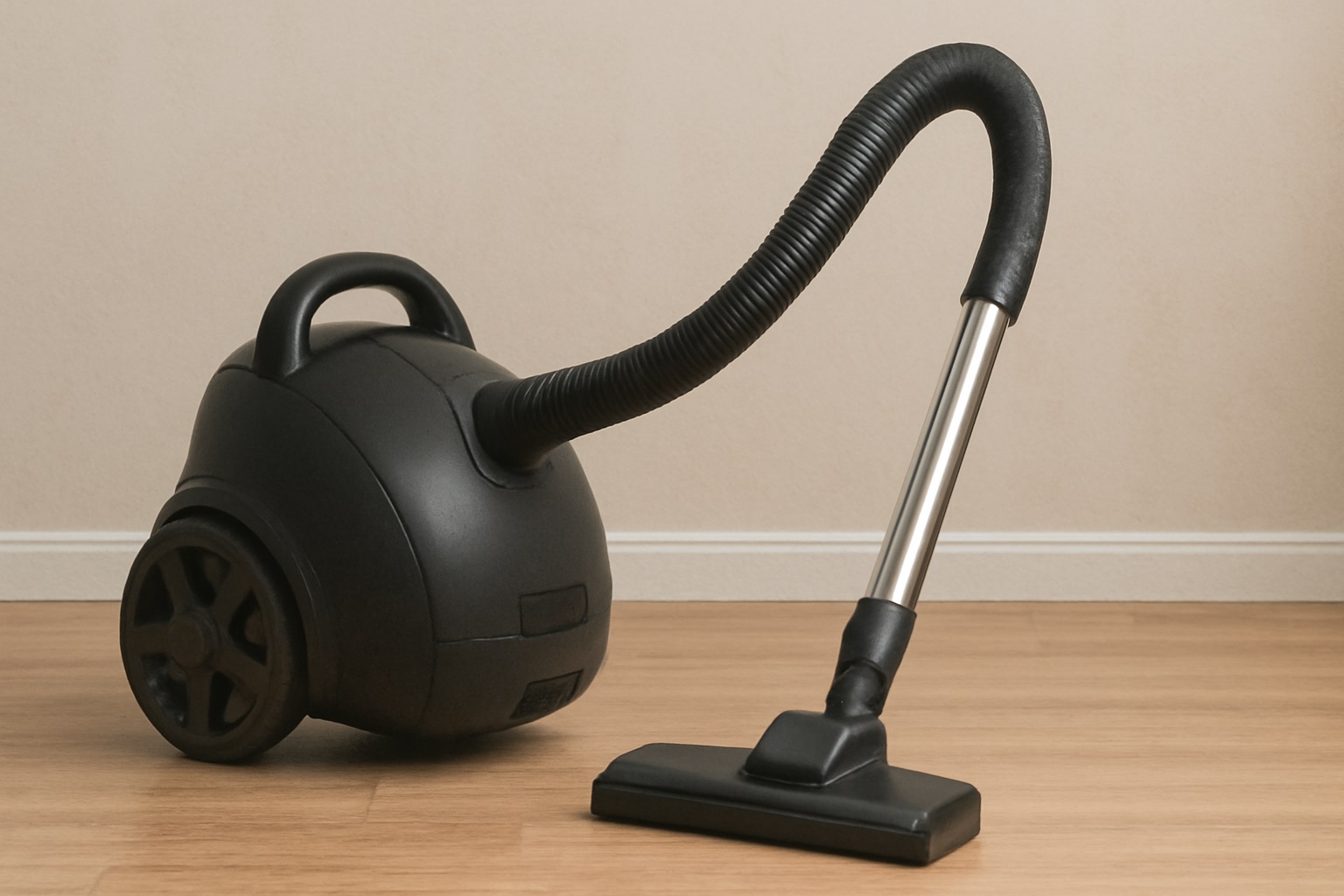
Exporting canister vacuums to international markets presents incredible opportunities for growth, but it also comes with its own set of challenges. Whether you're selling household vacuum cleaners, high suction vacuum cleaners, or wet dry vacuum cleaners, it's crucial to understand the pitfalls that can impede your success. In this article, we will identify the top 5 mistakes to avoid when exporting vacuum cleaners internationally, and provide guidance on how to navigate these challenges effectively.
1. Ignoring Local Compliance and Regulations 📜
Why Compliance for Export is Crucial
One of the most common mistakes businesses make when exporting products like canister vacuums is failing to fully understand and adhere to local regulations and compliance for export requirements. Each country has its own standards for electrical appliances, safety certifications, and environmental regulations. For example, voltage requirements vary significantly from one market to another, and products that fail to meet local standards may be rejected, leading to costly delays or returns.
How to Avoid This Mistake:
Research Local Regulations: Before exporting, ensure your products meet the necessary safety certifications, such as CE (Conformité Européenne) in Europe or UL (Underwriters Laboratories) in the U.S. For example, a high suction vacuum cleaner may need certification that it is safe to use with different voltage systems in various countries.
Product Labeling: Pay attention to local labeling requirements, including warning labels, energy consumption ratings, and product instructions that may differ by country.
Seek Expert Advice: Consult with a compliance expert or partner with a customs broker to navigate the various export regulations.
Example: In some EU countries, products like wet dry vacuum cleaners must adhere to RoHS (Restriction of Hazardous Substances) standards to ensure they don't contain toxic materials. Missing this requirement could result in fines or having the product pulled from the market.
2. Misunderstanding Market Demands and Preferences 🌍
Why Understanding Local Preferences is Important
What works in one market may not necessarily work in another. When exporting canister vacuums, it’s essential to understand the unique needs, preferences, and behaviors of consumers in the target market. For instance, high suction vacuum cleaners might be in high demand in regions with larger living spaces and thick carpeting, but may not be as popular in areas where people live in smaller apartments with hard floors.
How to Avoid This Mistake:
Market Research: Conduct thorough market research to understand local preferences. Are consumers looking for energy-efficient models, or are they more interested in high suction power for deep cleaning? What size and weight are ideal for local homes?
Local Customization: Adjust your product offering based on the market. For example, a wet dry vacuum cleaner might be more popular in regions with high humidity or frequent rain, while portable vacuum cleaners could appeal to markets with smaller homes or apartments.
Understand Cultural Differences: Cultural preferences also play a role in product features. In some countries, noise levels and design aesthetics are more important than raw power, while others might prioritize durability over everything else.
Example: In regions with limited storage space, such as parts of Asia or Europe, compact vacuum models may sell better than large-capacity wet dry vacuums that require more storage space.
3. Underestimating Logistics and Shipping Challenges 🚚
Why Shipping and Logistics Are Key to Successful Exporting
The logistics of getting your vacuum cleaners from your warehouse to international markets can be complex. Shipping large, bulky items like canister vacuums requires careful planning to avoid delays, damaged goods, or excessive shipping costs. Not taking shipping costs, customs duties, and taxes into account when pricing your product can lead to a diminished margin.
How to Avoid This Mistake:
Choose Reliable Shipping Partners: Work with trusted logistics partners who have experience handling bulky items like high suction vacuum cleaners or wet dry vacuum cleaners.
Understand Shipping Costs: Factor in all associated costs, including customs duties, tariffs, and import taxes, which can significantly impact the final price of the product.
Track Shipments: Use technology to track shipments and provide real-time updates to your customers, ensuring that they are informed about any potential delays.
Example: If you’re exporting to the Middle East, shipping costs can vary greatly depending on the route and destination. Failing to account for this variation could lead to unexpected expenses, impacting profitability.
4. Failing to Adapt Marketing and Sales Strategies 💡
Why Localized Marketing is Essential for Success
A major oversight when exporting vacuum cleaners is assuming that your existing marketing and sales strategies will work in every international market. Localizing your marketing and sales strategies is crucial to resonate with potential customers and meet local needs. This includes everything from pricing to the language used in advertising and customer support services.
How to Avoid This Mistake:
Tailor Your Message: Adapt your marketing materials, product descriptions, and ads to the local language and cultural context. A canister vacuum might be marketed as a "high-performance cleaning solution" in one market, while another region might respond better to it being marketed as an "energy-efficient cleaning companion".
Use Local Influencers: Leverage local influencers or experts to promote your products in a way that resonates with their audiences.
Customer Support: Offer local language support for customer inquiries and troubleshooting, and make sure your website and instructional materials are easily understandable.
Example: In some regions like Europe, eco-conscious consumers may respond more positively to messages about the energy-saving and environmentally friendly features of your high suction vacuum cleaner.
5. Not Offering Proper After-Sales Support and Warranty Services 🛠️
Why After-Sales Support Is Crucial for International Success
In many international markets, customers expect strong after-sales support, including warranty services, repairs, and customer service. Failing to provide these services can lead to poor customer satisfaction and ultimately harm your brand reputation. Offering warranties and ensuring availability of replacement parts is crucial, particularly for high suction vacuum cleaners and wet dry vacuums, which can require ongoing maintenance.
How to Avoid This Mistake:
Offer Global Warranties: Provide clear and comprehensive warranty policies for your vacuum products that apply to all markets you export to. Ensure that customers understand how to use the warranty and what is covered.
Set Up Local Support Channels: If possible, establish local service centers or partner with service providers in key markets to provide maintenance and repairs.
Educate Customers: Provide easily accessible instructions for use, care, and troubleshooting in the local language, ensuring that customers can get the most out of their products.
Example: A multi-functional durable vacuum cleaner may need repairs or parts replacement in the event of wear and tear. Having local repair facilities in place for regions like Asia or Latin America could significantly improve customer satisfaction.
Conclusion: Avoid These Mistakes to Ensure Success in International Markets
Exporting canister vacuums to international markets offers great potential for growth, but avoiding common mistakes is essential for long-term success. By understanding and addressing local compliance, adapting to market demands, optimizing shipping logistics, localizing your marketing strategies, and offering excellent after-sales support, you can set your business up for success. As international vacuum sales continue to rise, ensuring that your products meet customer expectations will maximize your chances of achieving sustainable growth.
Hashtags
HouseholdVacuumCleaners, ExportingVacuumCleaners, HighSuctionVacuumCleaner, WetDryVacuumCleaners, ComplianceForExport, InternationalVacuumSales, CanisterVacuumExport, VacuumExportMistakes, GlobalVacuumMarket, VacuumSalesStrategies, ExportCompliance, VacuumAfterSalesSupport, InternationalMarketing, Lanxstar.



