Hi, message us with any questions.
We're happy to help!





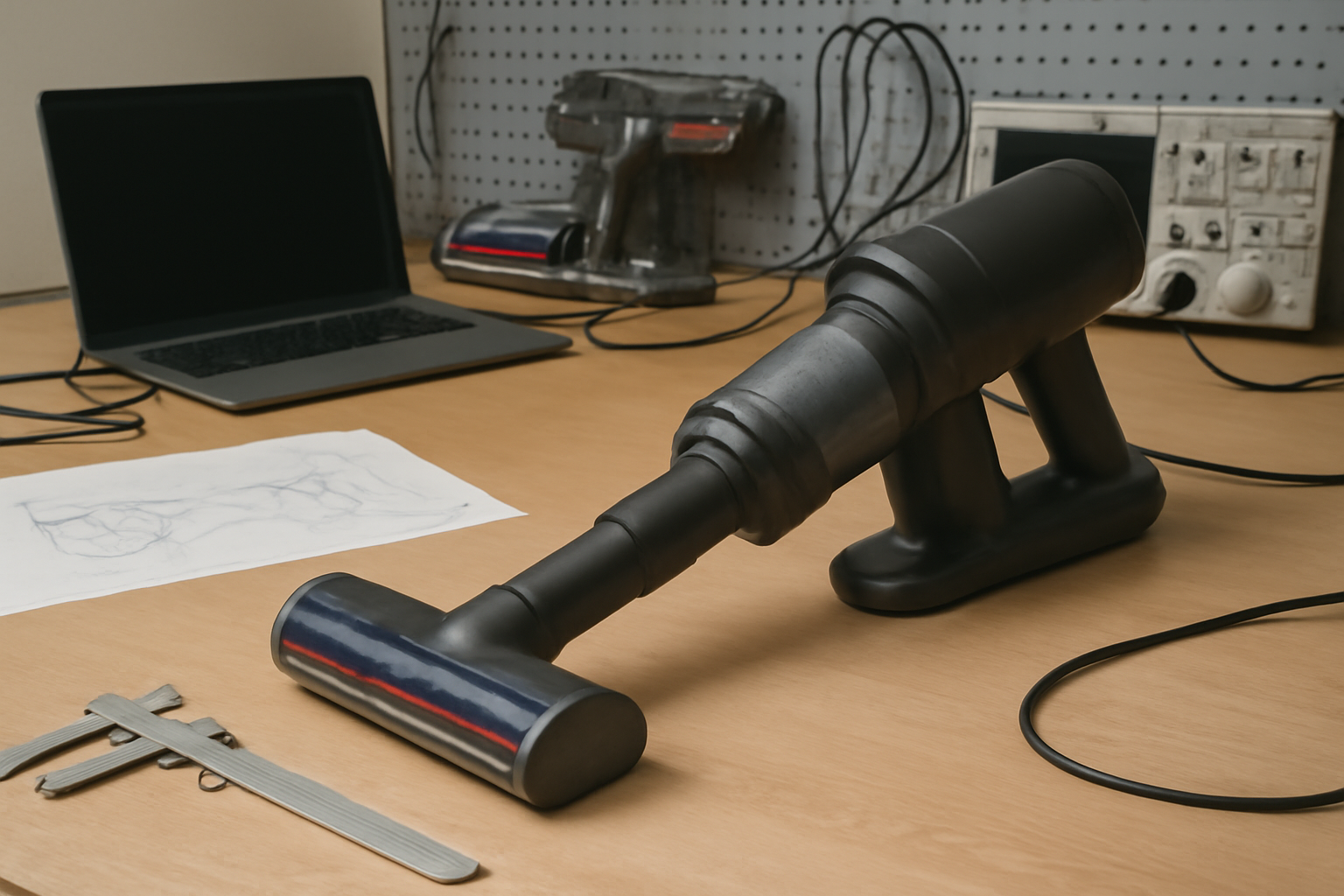
🚀 Introduction: The Vacuum Cleaner Industry's Hidden World
Most buyers—whether procurement managers, distributors, or end users—only see the finished vacuum cleaner: the sleek body, the powerful suction, the stylish color, the quiet operation.
But behind every successful Upright Vacuum Cleaner or high-performance Household Vacuum Cleaner, there exists an enormous hidden ecosystem: industrial design teams, suction engineers, airflow scientists, acoustic specialists, materials experts, QA inspectors, mold engineers, motor manufacturers, tooling experts, firmware programmers, and field testers.
A modern vacuum is not “one product.”
It is the result of 200+ engineering decisions, 50+ material verifications, 20+ reliability tests, and thousands of design corrections.
And this is the story no one ever tells publicly.
🧩 Chapter 1: Market Research — Why Engineers Don’t Start With Motors or Brushes
Before a single screw is designed, manufacturers start with data.
📊 Consumer pain points vary dramatically by region
Europe: noise regulation, allergy issues, hardwood protection
USA: pet hair, multi-floor transitions, cordless power
Middle East: ultra-fine dust, heat-resistant motors, longer duty cycles
This is why companies don't start by building motors.
They start by defining the “cleaning ecosystem” the vacuum must operate in.
🔍 B2B feedback shapes engineering direction
Vacuum engineers heavily rely on feedback from:
vacuum cleaner distribution partners
retail chains
commercial cleaning companies
after-sales service centers
repair technicians
Their complaints directly influence:
suction architecture
filtration path length
brushroll thickness
cooling system design
dustbin capacity
🔧 Chapter 2: Engineering Design — The Phase No Consumer Ever Sees
Modern vacuum development has 6 engineering layers:
1. Suction System Engineering
Engineers define:
motor torque
fan geometry
pressure differential
airflow optimization
suction stabilization curves
A powerful Fast Lightweight Vacuum Cleaner requires motor efficiency > 35%, airflow > 1.9 m³/min, and a sealed chassis to maintain suction consistency.
2. Airflow Path Architecture
Airflow must:
travel fast
lose minimal pressure
avoid turbulence
not leak allergens
stay cool
This is why airflow engineers design:
multi-stage cyclone chambers
long “settling zones”
vortex straighteners
transition ducts shaped like aerofoils
3. Brushroll & Floorhead Mechanics
Different regions require different brush assemblies:
EMEA → soft + stiff hybrid
US → aggressive brush torque
Middle East → sand-resistant brush bearings
Wet debris?
Then Wet Dry Vacuum Cleaners require stainless components, waterproof motors, and isolation chambers.
4. Filtration & Sealing
A real HEPA system requires:
triple silicone seals
pressure-locked filter housings
gasket compression at 0.4–0.7 MPa
Anything less → dust leaks.
Engineers redesign this hundreds of times.
5. Noise Engineering
Acoustic specialists target:
motor whine suppression
vibration dampening
airflow resonance control
brushroll turbulence reduction
This is why premium vacuums achieve <65 dB while maintaining strong suction.
6. Battery & Power System Optimization
Cordless models need:
thermal shield materials
voltage-stabilizing BMS
fast charge algorithms
predictive discharge curves
Highly demanded Fast Lightweight Vacuum Cleaner designs must balance:
power output
runtime
heat control
weight distribution
🧪 Chapter 3: Reliability Testing — The Brutal Reality You Never See
A vacuum cleaner that looks perfect can still fail reliability testing.
🧨 The Top 7 Failure Points Found During Testing
Motor overheating
Brushroll burnout
Dust leakage at seals
Battery swelling under heat
Brushroll jamming from hair
Dustbin cracking from drop tests
Noise spikes due to resonance shifts
🔥 Extreme Testing Procedures
Vacuums undergo:
700-hour durability tests
42°C desert heat chamber testing
hair ingestion stress tests
sand ingestion airflow testing
2,000× drop simulation
10,000× power switch cycle tests
carpet torque resistance tests
Even premium Upright Vacuum Cleaners fail repeatedly before passing.
🧪 Chapter 4: Field Testing — The Part Manufacturers Fear Most
Real households break vacuums faster than labs do.
Field testers include:
heavy-shedding pet homes
large families
hardwood-only homes
automotive detailers using Car Vacuum Cleaner
villa owners dealing with sand & dust
Field feedback reveals:
filtration clog patterns
real-world noise perception
battery decay under heat
unexpected suction drop zones
brushroll entanglement patterns
dustbin ergonomics
how often people actually clean filters
This data leads to 20–60 design revisions.
🏭 Chapter 5: Manufacturing & Tooling — Where Costs Explode
A vacuum mold can cost $40,000–$120,000 depending on:
injection volume
surface textures
plastic grade
steel hardness
number of sliders
Engineering teams often redesign molds 2–5 times due to:
airflow bottlenecks
seal compression misalignment
noise resonance issues
tolerance conflicts
Manufacturers absorb massive costs before profit is ever made.
📦 Chapter 6: Logistics, Packaging & Global Distribution
For global markets, logistics design matters as much as engineering.
Packaging must support:
drop protection standards
vibration resistance
pallet stacking
warehouse humidity
container temperature variation
Distribution challenges include:
voltage compatibility
plug type versions
safety certifications
regional noise laws
label regulation differences
Brands fail in new markets when they underestimate these factors.
💼 Why B2B Buyers Need to Understand This Hidden Process
Because:
It explains price differences
It reveals which factories actually engineer products
It helps avoid unreliable suppliers
It helps forecast product lifespan
It ensures your vacuum cleaner distribution business selects real manufacturers, not repackagers
When you understand the engineering journey, you know how to ask the right technical questions.
⭐ Conclusion: Behind Every Good Vacuum Is an Army of Engineers
A vacuum cleaner is not a “simple appliance.”
It is an engineered system involving:
fluid dynamics
mechanical design
electrical control
materials science
acoustic tuning
reliability engineering
ergonomic optimization
Before reaching market shelves, a vacuum endures:
thousands of tests
dozens of redesigns
millions in tooling
months of validation
This is the untold story behind every successful product—and the reason knowledgeable buyers always choose manufacturers with real engineering capability.
📲 Hashtags (50 groups)
#vacuumengineering #uprightvacuumcleaners #householdvacuumcleaners #lanxstar #vacuumdesign #productdevelopment #vacuumtesting #qualityengineering #fastlightweightvacuumcleaner #vacuumdistribution #manufacturingprocess #wetdryvacuum #carvacuumcleaner #cleaningtechnology #vacuuminnovation #b2bprocurement #airflowengineering #motorengineering #hepasystems #vacuumfiltration #industrialdesign #vacuumindustry #producttooling #productvalidation #vacuummanufacturing #engineeringworkflow #vacuumdurability #mechanicalengineering #batteryengineering #noiseengineering #dustmanagement #vacuumperformance #homeappliancesengineering #productreliability #floorcaretechnology #supplychainvacuum #vacuumcomponents #consumerinsights #vacuumtestinglab #appliancedesign #smartvacuumtechnology #cordlessvacuumengineering #productqualitycontrol #assemblyline #factoryprocess #ergonomicsdesign #productcertification #globaldistribution #vacuumstandards