Hi, message us with any questions.
We're happy to help!





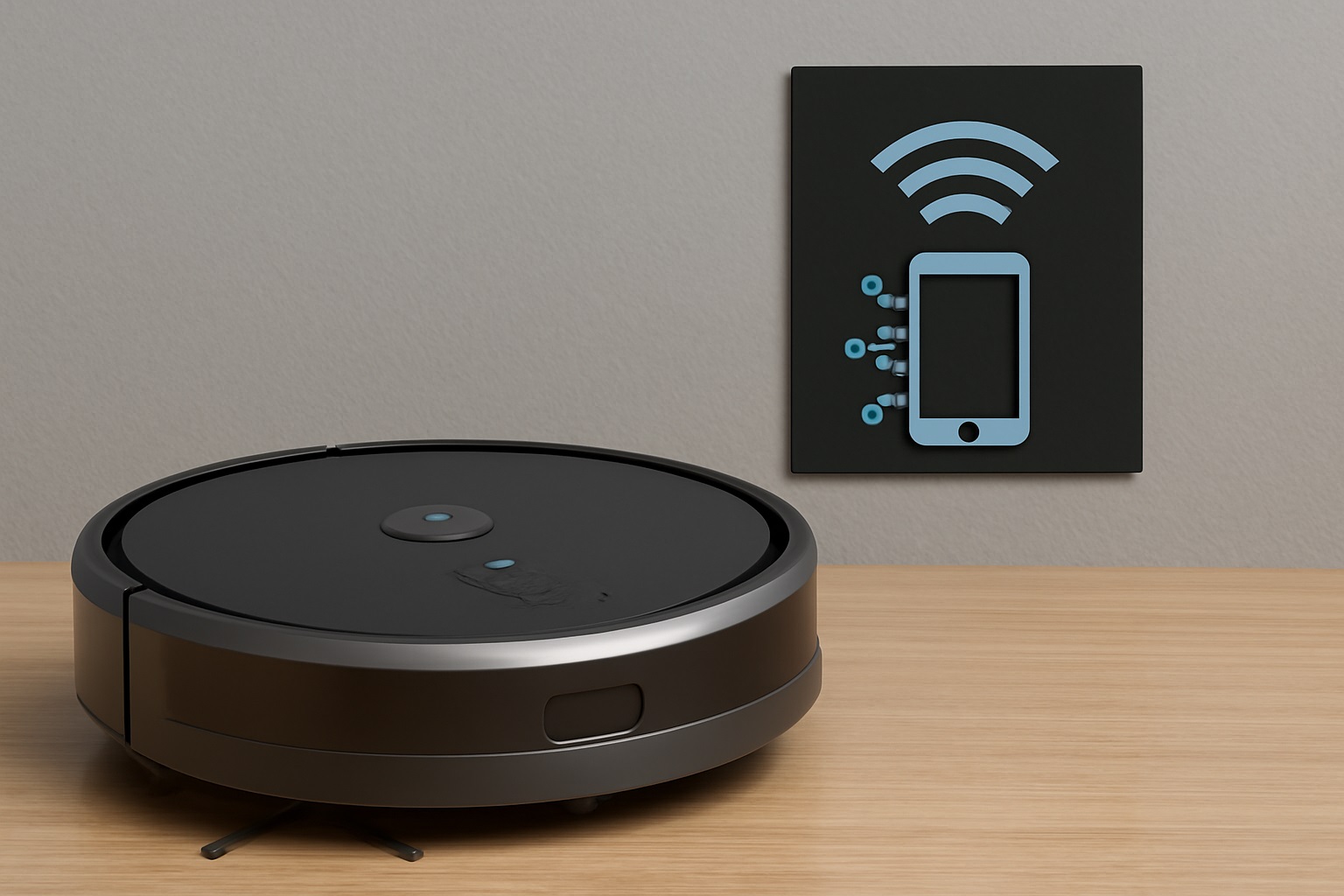
As technology continues to evolve, so does the vacuum motor. In the near future, smart and automated vacuum cleaners powered by advanced motor technology will not only improve cleaning performance but also offer enhanced convenience, energy efficiency, and user interaction. The future of vacuum motor technology is increasingly focused on automation and intelligent systems, leveraging AI, IoT, and robotics to create smarter, more efficient cleaning devices.
This article delves into the exciting developments shaping the next generation of vacuum motors, from AI-powered suction control to fully automated cleaning solutions. Let’s explore how these technologies are poised to revolutionize the way we clean our homes and businesses.
1. The Rise of Smart Vacuum Motors: AI and IoT Integration
The integration of artificial intelligence (AI) and the Internet of Things (IoT) is driving the next wave of vacuum cleaner innovation. Smart vacuum motors will be equipped with advanced sensors and AI algorithms, enabling them to adapt in real-time to changing environments.
How Smart Vacuum Motors Work:
AI-Powered Suction Control: AI systems can automatically adjust suction power based on dirt detection and floor type, ensuring optimal performance while conserving energy.
Remote Control via IoT: IoT-enabled motors will allow users to control and monitor their vacuums remotely via smartphones or smart home systems.
Self-Diagnostics and Maintenance Alerts: These motors will be able to diagnose issues and send maintenance reminders to the user, improving longevity and reducing downtime.
Example Model:
Lanxstar’s AI-Powered Smart Vacuum uses a smart motor system to automatically adjust suction power, optimize battery life, and send maintenance alerts through its connected app.
2. Robotic Vacuum Motors: Automation for Every Surface
In the world of robotic vacuums, motor technology plays a crucial role in ensuring that robots can navigate autonomously and clean effectively. The future of robotic vacuum motors will be centered on autonomous navigation, energy efficiency, and longer runtimes.
Future Features of Robotic Vacuum Motors:
Intelligent Navigation: Future robotic vacuums will feature advanced motorized wheels that work in tandem with sensors and cameras for precise navigation in complex environments.
Multi-Surface Adaptation: Robotic vacuums will use motors that automatically adjust for different surfaces, from carpets to hardwood floors, ensuring consistent suction and cleaning power.
AI and Mapping Technology: Robots will map their environment using AI and sensors, creating optimal cleaning paths and improving efficiency in multi-room cleaning.
Example Model:
Lanxstar’s Robot Vacuum with Smart Motor combines robotic navigation with AI-powered motor control, allowing it to clean large spaces with minimal supervision.
3. Energy Efficiency and Sustainability: Low-Power Vacuum Motors
As sustainability becomes a key concern for consumers, low-power, high-performance motors will lead the way in eco-friendly vacuum cleaners. Future vacuum motors will incorporate energy-saving technologies to reduce power consumption while maintaining excellent suction performance.
Key Features of Energy-Efficient Vacuum Motors:
Brushless DC Motors (BLDC): These motors are already known for their energy efficiency and long lifespan. In the future, BLDC motors will become even more efficient, consuming less power while maintaining strong suction.
Smart Power Management: Integrated power management systems (PMS) will allow motors to regulate energy usage based on the cleaning task, minimizing waste and prolonging battery life for cordless vacuums.
Battery Optimization: In cordless vacuums, advanced battery systems will work with energy-efficient motors to ensure longer runtimes with less frequent charging.
Example Model:
Lanxstar’s Eco-Friendly Cordless Vacuum features an energy-efficient motor paired with an advanced battery system, extending cleaning time while reducing power usage.
4. Advanced Motor Cooling Technologies: Maintaining Peak Performance
As vacuum motors become more powerful and efficient, cooling systems will need to evolve to prevent overheating and maintain optimal motor performance. Future vacuums will incorporate advanced cooling technologies that extend the lifespan of motors while ensuring they perform at their best.
Breakthrough Cooling Features:
Active Cooling Systems: New vacuum motors will integrate active cooling systems, using fans or liquid cooling to manage motor temperature during extended use.
Heat Dissipation Materials: Future motors will use thermoelectric materials or nano-coatings to dissipate heat more effectively, preventing performance loss due to overheating.
Self-Regulating Cooling: Motors with self-regulating cooling will adjust their cooling needs based on internal temperature, ensuring optimal motor performance without manual adjustments.
Example Model:
Lanxstar’s Next-Gen Smart Vacuum utilizes active cooling systems that automatically regulate motor temperature, ensuring that it can clean efficiently over long periods without overheating.
5. Noise Reduction in Smart Vacuum Motors: Silent Cleaning
Future vacuum motors will focus on noise reduction without compromising performance. For smart and robotic vacuums, operating quietly while maintaining suction power will be a priority for both residential and commercial users.
Innovations for Quieter Motor Operation:
Vibration Damping Technology: New motor mounts and sound-dampening materials will reduce vibrations and minimize noise during operation.
Variable Motor Speeds: Motors will adjust their speed based on the task at hand, ensuring quieter operation during lighter cleaning tasks while ramping up power when needed.
Brushless Motor Technology: These motors generate less friction and heat, leading to quieter operation compared to traditional motors.
Example Model:
Lanxstar’s Quiet Operation Robotic Vacuum uses a brushless DC motor and vibration reduction technology to clean quietly without sacrificing suction power.
6. Automation and Self-Cleaning: Fully Autonomous Vacuums
In the future, vacuum cleaners will evolve to become fully autonomous, incorporating self-cleaning and maintenance features. Smart vacuum motors will be able to adjust their performance based on the environment, and they will even take care of their own upkeep.
Automation Features to Expect:
Self-cleaning brushes and filters: Future vacuums will have self-cleaning brush rolls and automatic filter cleaning features powered by intelligent motors.
Automated docking and charging: Robotic vacuums will automatically return to their charging stations and recharge without user intervention.
Self-diagnosis: Motors equipped with AI will be able to diagnose any issues and send alerts to the user, ensuring timely maintenance.
Example Model:
Lanxstar’s Self-Cleaning Robot Vacuum features an AI-powered motor system that autonomously adjusts its suction and returns to the charging dock when needed.
7. The Future of Smart Home Integration: Connected Vacuum Motors
The future of vacuum motors is also tied to the Internet of Things (IoT). Future vacuum motors will be IoT-enabled, allowing for remote monitoring, diagnostics, and interaction with other smart home devices.
Smart Home Integration Features:
Voice Control: Integration with Amazon Alexa and Google Assistant will allow users to control their vacuums through voice commands.
Mobile App Control: Users will be able to monitor motor performance, adjust settings, and schedule cleaning via smartphone apps.
Data-Driven Performance: IoT-enabled vacuums will provide users with data on cleaning patterns, motor performance, and energy usage, helping optimize efficiency.
Example Model:
Lanxstar’s Smart Home Vacuum System integrates IoT connectivity, enabling users to monitor and control the motor’s performance and cleaning tasks remotely through a smartphone app.
Conclusion
The future of vacuum motor technology is exciting, with innovations in smart systems, automation, and energy efficiency leading the way. As AI, IoT, and robotics continue to evolve, vacuum motors will become even more intelligent, adaptable, and eco-friendly. Whether it’s through AI-driven suction control, robotic cleaning, or advanced cooling systems, the next generation of vacuum motors will provide unmatched performance, efficiency, and convenience.
For more information on the latest in vacuum motor technology, visit www.lxvacuum.com.
Target Audience
Vacuum cleaner manufacturers and engineers
Smart home technology enthusiasts
Consumers interested in smart home cleaning solutions
Commercial cleaning businesses
Environmental advocates and eco-conscious buyers
Related Keywords (50 Groups)
Vacuum Motor Technology, Future Vacuum Motors, Smart Vacuum Technology, Automated Vacuum Development, AI-Powered Vacuums, Robotics in Vacuum Cleaners, Vacuum Motor Innovation, Smart Home Cleaning Devices, Vacuum Automation, Intelligent Vacuum Technology, Brushless DC Motors, Robotic Vacuum Motors, Advanced Motor Cooling, IoT-Enabled Vacuums, Smart Vacuum Control, Autonomous Vacuum Cleaning, Self-Cleaning Vacuum Motors, Smart Home Integration for Vacuums, Energy-Efficient Vacuum Motors, AI-Driven Vacuum Systems, Robotic Navigation in Vacuums, Multi-Surface Smart Motor Control, Smart Suction Regulation, Cordless Vacuum Innovation, Smart Battery Management in Vacuums, Quiet Operation Vacuum Motors, Vacuum Motor Vibration Reduction, Self-Diagnosing Vacuum Systems, Eco-Friendly Vacuum Motors, Intelligent Vacuum Mapping, Smart Voice Control for Vacuums, Remote-Controlled Smart Vacuum, Advanced Motor Technology for Commercial Use, Energy-Saving Smart Motors, Connected Vacuum Devices, Smart Cleaning Algorithms, Automated Docking and Charging, Noise Reduction Motor Technology, Next-Gen Motorized Vacuum Systems, High-Performance Robotic Vacuums, IoT Vacuum System Control, Adaptive Motorized Cleaning, Future Cleaning Robot Technology, Smart Scheduling Vacuum Motors, Sustainable Vacuum Motor Design, Long-Lasting Battery in Smart Vacuums, AI Cleaning Assistant, Smart Floor Cleaning Motors.



