Hi, message us with any questions.
We're happy to help!





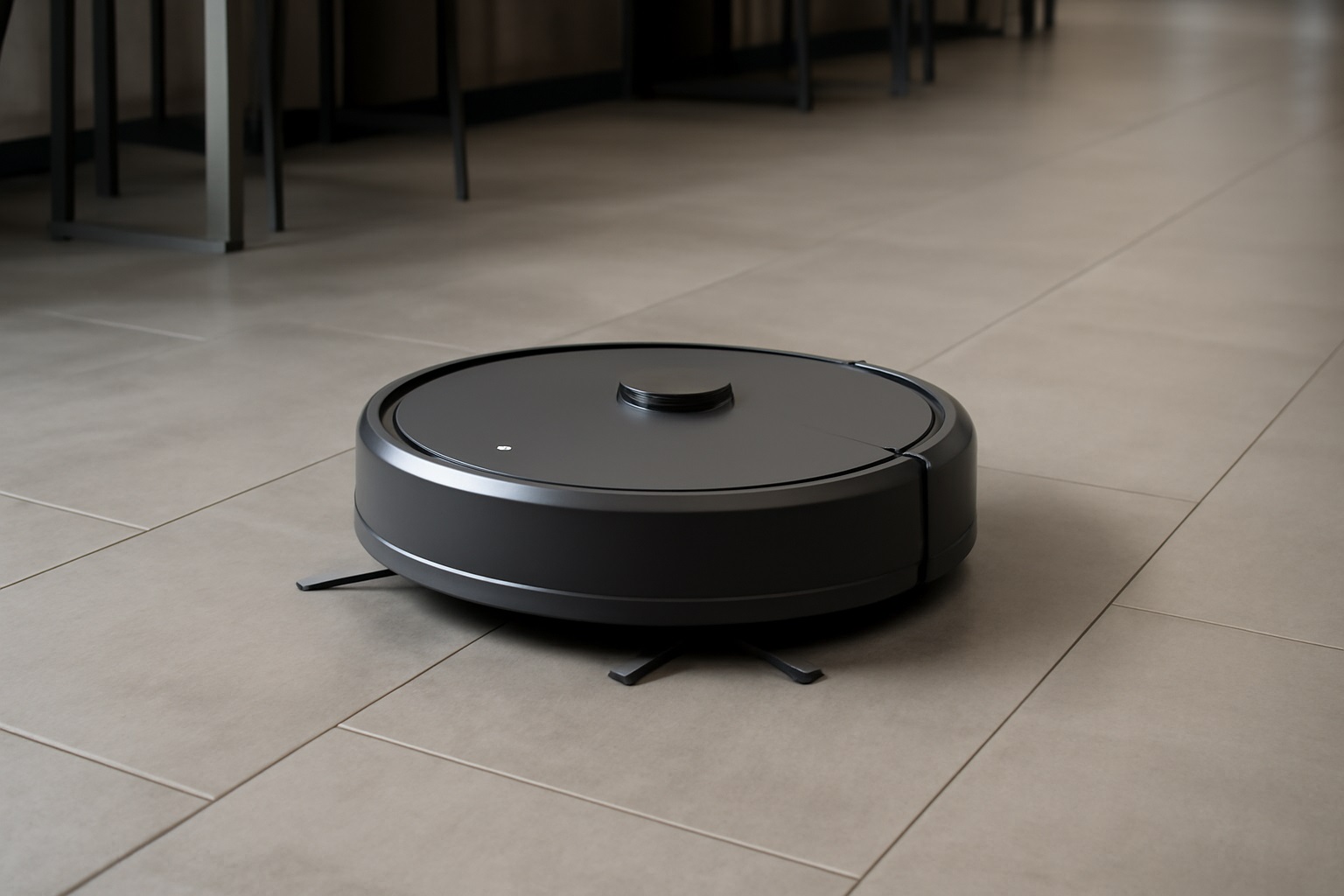
In the fast-evolving commercial cleaning industry, businesses are constantly searching for solutions that improve efficiency, reduce costs, and deliver high-quality results. The introduction of smart vacuum cleaners has revolutionized this landscape, offering advanced features that not only simplify the cleaning process but also enhance its effectiveness. Whether you are a commercial cleaning service provider, a distributor, or a product development engineer, understanding how smart vacuum cleaners can improve operational efficiency is essential in today’s competitive market.
The Evolution of Vacuum Cleaners in Commercial Settings
Traditionally, commercial spaces relied on household vacuum cleaners or upright vacuum cleaners, which were sufficient for basic cleaning tasks. However, these models often lacked the features needed to address the unique challenges of commercial environments, such as high foot traffic, diverse surface types, and the need for energy efficiency. As businesses began demanding more from their cleaning equipment, manufacturers innovated, leading to the creation of high suction vacuum cleaners, energy-efficient models, and finally, smart vacuum cleaners.
Household Vacuum Cleaners vs. Commercial Vacuum Cleaners
The primary difference between household and commercial vacuum cleaners lies in their design and functionality. Household vacuum cleaners are generally designed for residential spaces and smaller cleaning tasks, with relatively lower power and less durable construction. In contrast, commercial vacuum cleaners, such as those used in offices, hotels, or industrial spaces, must be more robust and capable of handling a wide range of surfaces and debris types.
One key distinction is the high suction vacuum cleaner. These models often feature more powerful motors and better filtration systems to ensure that dust, dirt, and allergens are effectively removed. Vacuum cleaners for allergies, in particular, have specialized filters that trap microscopic particles, making them ideal for use in healthcare facilities, offices, and hotels where maintaining a high standard of cleanliness is essential.
The Rise of Smart Vacuum Cleaners
With the growth of IoT (Internet of Things) technology, smart vacuum cleaners have emerged as a game-changer in the commercial cleaning sector. Unlike traditional vacuum models, smart vacuums are equipped with sensors, AI-driven algorithms, and Wi-Fi connectivity, allowing them to perform cleaning tasks with minimal human intervention. These vacuum cleaners can be scheduled, monitored, and controlled remotely, offering a level of convenience and precision that was previously unthinkable.
So, how do smart vacuum cleaners help improve efficiency in commercial spaces? Let’s explore several key benefits.
1. Enhanced Cleaning Efficiency
One of the biggest advantages of smart vacuum cleaners is their ability to operate autonomously, cleaning designated areas at optimal times without human intervention. For example, a smart vacuum can be programmed to clean during off-peak hours, minimizing disruption to daily operations. These vacuums also use advanced navigation systems, such as LIDAR or camera-based technology, to map out the cleaning area, ensuring every corner is covered and no space is missed.
Industry Case Study: Large U.S. Shopping Mall (XX Mall)
Problem: XX Mall struggled with cleaning inefficiency, particularly in high-traffic areas. Cleaning costs were high, and manual labor efficiency was subpar.
Solution: By introducing smart vacuum cleaners, the mall utilized their autonomous navigation and scheduling capabilities to ensure each area was cleaned on time, while avoiding disruptions during peak hours.
Result: The introduction of smart vacuums led to a 30% increase in cleaning frequency, a 40% reduction in labor costs, and significant improvements in cleanliness feedback from customers. The mall saved 10% in operational costs within two months.
2. Intelligent Scheduling and Remote Monitoring
The integration of AI allows smart vacuum cleaners to adapt to their environment and optimize cleaning schedules. For instance, they can detect high-traffic areas and adjust cleaning routines accordingly, ensuring these areas are cleaned more frequently. Furthermore, smart vacuum cleaners can be scheduled through a mobile app or connected to a cloud-based system, making it easy for cleaning managers to track cleaning progress, adjust schedules, and even monitor battery levels remotely.
Success Case: London Five-Star Hotel (YY Hotel)
Problem: YY Hotel faced cumbersome and time-consuming cleaning processes, especially for high-traffic areas like the lobby and hallways, which heavily relied on manual labor.
Solution: The hotel deployed smart vacuum cleaners to automate the cleaning of public spaces and hallways, using a remote scheduling system and real-time monitoring features.
Result: The use of smart vacuum cleaners improved cleaning efficiency by 25%, reduced labor demands by 35%, and received significant positive feedback from guests. Overall guest satisfaction with cleanliness increased by 20%.
3. Increased Energy Efficiency
Smart vacuum cleaners are often designed with energy-saving features that reduce power consumption while maintaining high suction power. Many models include high suction vacuum cleaner technology, providing deep cleaning without excessive energy use, making them an ideal solution for businesses looking to reduce their carbon footprint and lower energy costs.
Moreover, the ability to schedule cleaning during off-peak hours, such as late at night, allows smart vacuums to take advantage of lower electricity rates, further enhancing cost-effectiveness.
Industry Case Study: Energy Efficiency in Office Buildings (ZZ Tower)
Problem: ZZ Tower’s cleaning operations consumed significant energy, particularly during peak hours, contributing to higher utility costs.
Solution: The smart vacuum cleaners utilized intelligent scheduling to clean during low-energy periods while also operating in energy-efficient modes, reducing unnecessary power consumption.
Result: Smart vacuums improved the cleaning efficiency of the building by 25% and reduced electricity consumption by 20%. ZZ Tower saved approximately 30% in energy costs related to cleaning.
4. Healthier Indoor Environments
Maintaining a healthy indoor environment is a top priority for commercial spaces, especially in settings where allergies and respiratory issues are a concern. Smart vacuum cleaners with advanced filtration systems effectively capture dust, dirt, pet dander, and other allergens. For facilities like hospitals, offices, and schools, using a vacuum cleaner for allergies is essential for ensuring the well-being of employees, students, and patients.
These vacuums typically feature HEPA (High-Efficiency Particulate Air) filters or similar technologies that trap microscopic particles, providing cleaner air and reducing the risk of respiratory problems. In environments like medical offices, where cleanliness is critical, these features are not just a convenience—they are a necessity.
5. Reduced Labor Costs and Human Error
Labor costs are one of the biggest expenses for commercial cleaning services. By automating routine cleaning tasks with smart vacuum cleaners, businesses can significantly reduce their reliance on manual labor, freeing up staff to focus on more complex or specialized tasks. Additionally, since these vacuums can clean autonomously, they help eliminate human error and inconsistencies that may arise from manual cleaning.
6. Real-Time Data and Analytics
Smart vacuum cleaners collect valuable data on cleaning patterns, usage, and efficiency. By analyzing this data, cleaning managers can gain insights into how often different areas are cleaned, how long it takes to clean specific spaces, and where additional cleaning may be needed. This real-time data allows for more informed decision-making and enables businesses to optimize cleaning schedules based on actual usage patterns.
7. Scalability for Large Commercial Spaces
For large commercial spaces such as malls, factories, or airports, cleaning can be a massive undertaking. Smart vacuum cleaners offer scalability, allowing businesses to deploy multiple units across large areas while maintaining consistent performance. These vacuums can communicate with each other, coordinating their cleaning efforts to ensure no area is missed.
Conclusion
The integration of smart vacuum cleaners in commercial cleaning operations represents a significant leap forward in terms of efficiency, cost savings, and health benefits. From high suction vacuum cleaners to energy-saving efficient powerful vacuum cleaners, these devices are transforming the way businesses approach cleanliness.
By embracing smart vacuums, businesses can improve operational efficiency, reduce labor costs, and ensure healthier environments for employees, customers, and guests. For distributors, cleaning service providers, and product developers in the commercial cleaning industry, these innovations present a unique opportunity to lead the way in providing cutting-edge solutions that meet the growing demands of modern businesses.
Hashtags
SmartVacuumCleaners, CommercialCleaning, HighSuctionVacuumCleaner, UprightVacuumCleaners, VacuumCleanerForAllergies, EnergySavingVacuumCleaner, PowerfulVacuumCleaner, CleaningEfficiency, RoboticVacuum, AIvacuum, SmartCleaning, CleanTech, AutomatedCleaning, FacilityManagement, CommercialCleaningSolutions, SustainableCleaning, DustFreeEnvironment, HighPerformanceCleaning, HEPAvacuum, SmartCleaningSystem, VacuumTechnology, CleaningAutomation, DataDrivenCleaning, BusinessCleaning, EcoFriendlyCleaning, VacuumInnovation, IoTvacuum, CleaningDataAnalytics, VacuumMaintenance, AirQualityImprovement, RemoteCleaning, CleaningEquipment, EnergyEfficientVacuum, RoboticCleaning, SmartCleaningSolutions, AIinCleaning, CleaningTechInnovation, CostEffectiveCleaning, CommercialVacuuming, HotelCleaning, OfficeCleaning, SmartOffice, IndustrialCleaning, AutomatedFloorCleaning, BuildingManagement, AdvancedFiltration, VacuumForAllergies, EfficientVacuum, VacuumIntelligence, DeepCleaning, WorkplaceCleaning, CleaningAutomationSystem, NextGenCleaning, Lanxstar.