Hi, message us with any questions.
We're happy to help!





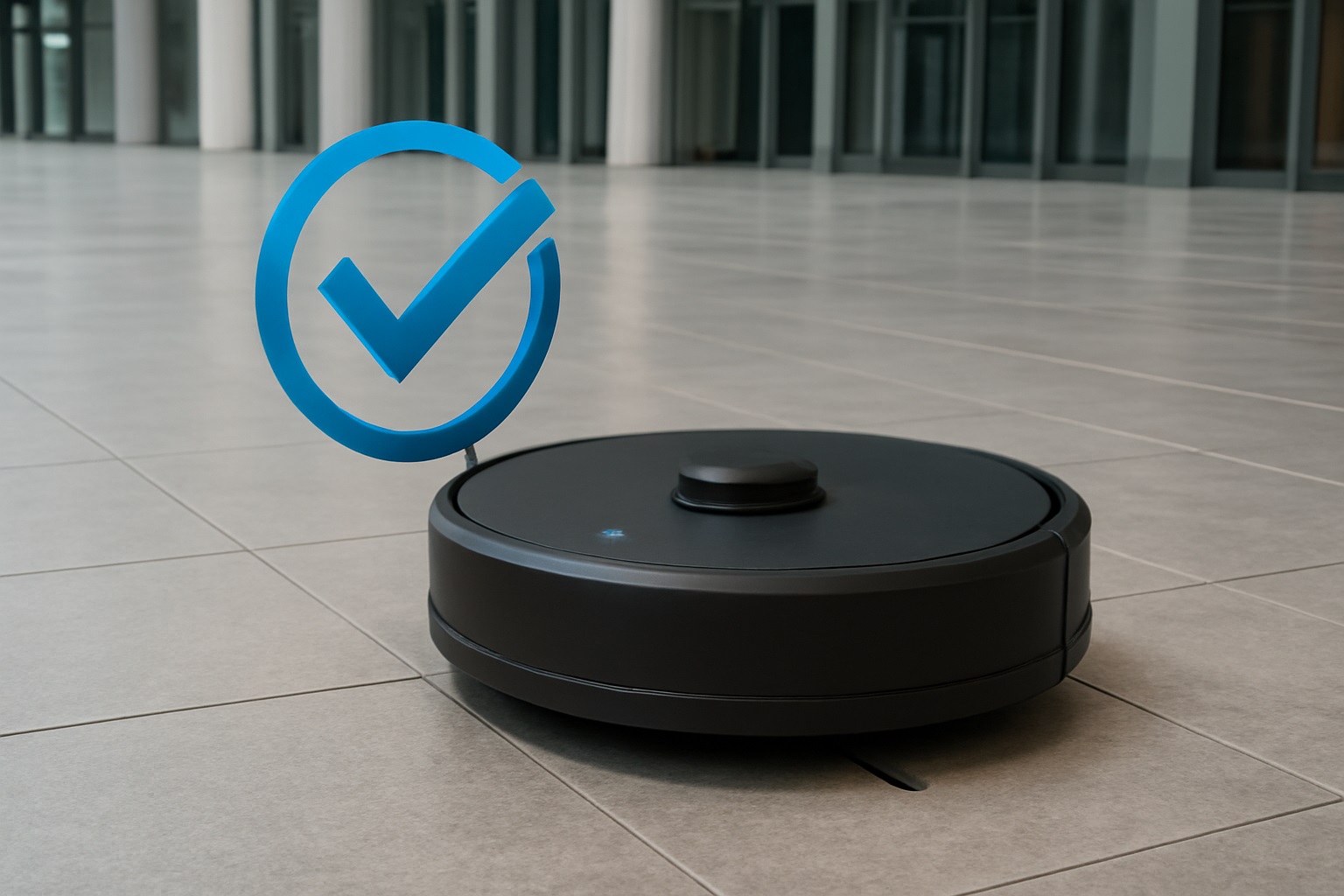
Maintaining cleanliness in large commercial spaces is essential for creating a productive, healthy environment. The traditional methods of cleaning, often relying on manual labor and basic vacuum cleaners, are no longer sufficient to meet the high demands of modern commercial cleaning. Smart vacuums are revolutionizing the way large spaces are cleaned, offering advanced features that ensure higher cleaning quality, efficiency, and consistency.
In this article, we will explore how smart vacuum technology, integrated into models like large-capacity wet dry vacuum cleaners and high suction vacuum cleaners, enhances cleaning quality in large commercial environments.
The Challenges of Cleaning Large Commercial Spaces
Cleaning large commercial spaces—whether it's an office building, hotel, shopping mall, or warehouse—presents unique challenges. Large spaces have varying floor types, high foot traffic, and intricate layouts that make it difficult to achieve consistent, thorough cleaning. Conventional methods often fall short in maintaining the cleanliness standards needed for such environments.
Smart vacuums address these challenges by automating the cleaning process, improving efficiency, and ensuring that every corner is cleaned to a high standard. Here's how they achieve superior cleaning quality in large commercial spaces.
1. Advanced Navigation and Mapping Systems
One of the standout features of smart vacuum cleaners is their advanced navigation and mapping capabilities. Equipped with LIDAR (Light Detection and Ranging) or camera-based technology, these vacuums can scan and map out the entire commercial space. This allows the vacuum to understand the layout, identify obstacles, and determine the most efficient cleaning path.
For example, a high suction vacuum cleaner used in a large office building will map out rooms, hallways, and open areas, ensuring that each section is cleaned efficiently without retracing its steps. This intelligent navigation eliminates missed spots, improves cleaning accuracy, and saves time compared to traditional manual methods.
2. Multi-Surface Cleaning Capabilities
Commercial spaces often contain a variety of flooring types, such as carpet, tile, hardwood, and concrete. Smart vacuums can seamlessly transition between different surfaces without the need for manual adjustments, ensuring that each surface is cleaned optimally.
For instance, a vacuum for multi-surface cleaning automatically adjusts suction power and cleaning mode depending on the surface type it encounters. Whether cleaning a high-traffic carpeted area in a hotel lobby or a tile floor in a commercial kitchen, the vacuum adjusts to provide the best cleaning performance without requiring human intervention.
This versatility is particularly useful in large commercial spaces, where floors often change in different rooms or areas, making it difficult to clean efficiently with traditional models.
3. Efficient Coverage with Zoned Cleaning
In large commercial spaces, certain areas may require more attention than others. Smart vacuums can divide the space into cleaning zones, prioritizing high-traffic areas or spaces with higher dirt accumulation, such as entrances, corridors, or bathrooms.
For example, a large-capacity wet dry vacuum cleaner can be programmed to clean more frequently in areas like the entrance of a shopping mall where dirt and debris are brought in from outside. At the same time, it can reduce its cleaning intensity in less used areas, improving overall efficiency and ensuring that more heavily soiled areas receive the attention they need.
This zoning feature allows businesses to maintain high standards of cleanliness across their entire property while optimizing the cleaning process and reducing unnecessary cleaning time in less critical areas.
4. Consistent Cleaning Performance
Unlike traditional cleaning methods, which can vary in quality depending on the operator, smart vacuum cleaners deliver consistent results every time they clean. These vacuums are equipped with sensors and advanced algorithms that ensure even coverage of all areas, eliminating human error and reducing the chances of missing spots or failing to clean areas properly.
A high suction vacuum cleaner with automated features will provide the same level of suction power, regardless of the time or number of cleaning sessions, ensuring that dirt and debris are removed from all surfaces efficiently. This consistency is crucial for maintaining a high standard of cleanliness in large commercial spaces, where areas are cleaned multiple times per day.
5. Self-Charging and Continuous Operation
In large commercial environments, downtime is not an option. Smart vacuums can automatically return to their charging station when the battery runs low, recharge themselves, and resume cleaning once fully charged. This self-charging feature ensures continuous cleaning without the need for manual intervention.
For example, a smart vacuum used in a large warehouse or office building can clean the entire space without requiring a person to constantly monitor the vacuum or stop it to recharge. By operating autonomously and charging as needed, the vacuum can complete cleaning tasks without interruption, saving time and ensuring that every area is cleaned thoroughly.
6. Real-Time Monitoring and Data Insights
Many smart vacuum models offer real-time monitoring and data collection, which can be invaluable for businesses. Through a mobile app or connected software, cleaning managers can track the vacuum’s cleaning progress, see which areas have been cleaned, and even receive alerts if the vacuum encounters obstacles or malfunctions.
For instance, a large-capacity wet dry vacuum cleaner in a commercial space can alert the cleaning staff when its water tank is full or when the filter needs cleaning. This real-time feedback helps managers stay on top of maintenance and ensures that the vacuum continues to perform at its best.
Additionally, some smart vacuums collect data on cleaning frequency, dirt levels, and energy usage, providing valuable insights that can be used to optimize cleaning schedules and improve efficiency.
7. Time-Saving Automation
By automating the cleaning process, smart vacuums save businesses significant time and labor. These vacuums can be scheduled to clean at night or during off-hours, ensuring that the space is spotless when employees or customers arrive the next day. Smart vacuums can be programmed to clean specific areas based on usage patterns, ensuring that the most critical areas are always cleaned first.
This level of automation not only reduces the need for manual labor but also ensures that cleaning is done efficiently without interrupting business operations. In environments like office buildings, hotels, or retail spaces, automation helps ensure that the entire property is cleaned consistently, saving time and reducing labor costs.
Conclusion
Smart vacuum technology is revolutionizing the way large commercial spaces are cleaned. With features like advanced navigation, multi-surface cleaning capabilities, and automated scheduling, smart vacuums provide superior cleaning performance that reduces human error and saves time. Whether it’s a high suction vacuum cleaner, a large-capacity wet dry vacuum cleaner, or a vacuum for multi-surface, these automated systems are helping businesses maintain high cleanliness standards while improving operational efficiency.
By embracing vacuum automation, businesses can reduce labor costs, increase cleaning consistency, and ensure that their commercial spaces are always clean, presentable, and ready for use.
Hashtags
SmartVacuum, UprightVacuumCleaners, HouseholdVacuumCleaners, LargeCapacityWetDryVacuumCleaner, VacuumAutomation, SmartVacuum, VacuumForMultiSurface, HighSuctionVacuumCleaner, CommercialCleaning, AutomatedVacuum, CleaningEfficiency, RealTimeVacuumMonitoring, Lanxstar.