Hi, message us with any questions.
We're happy to help!





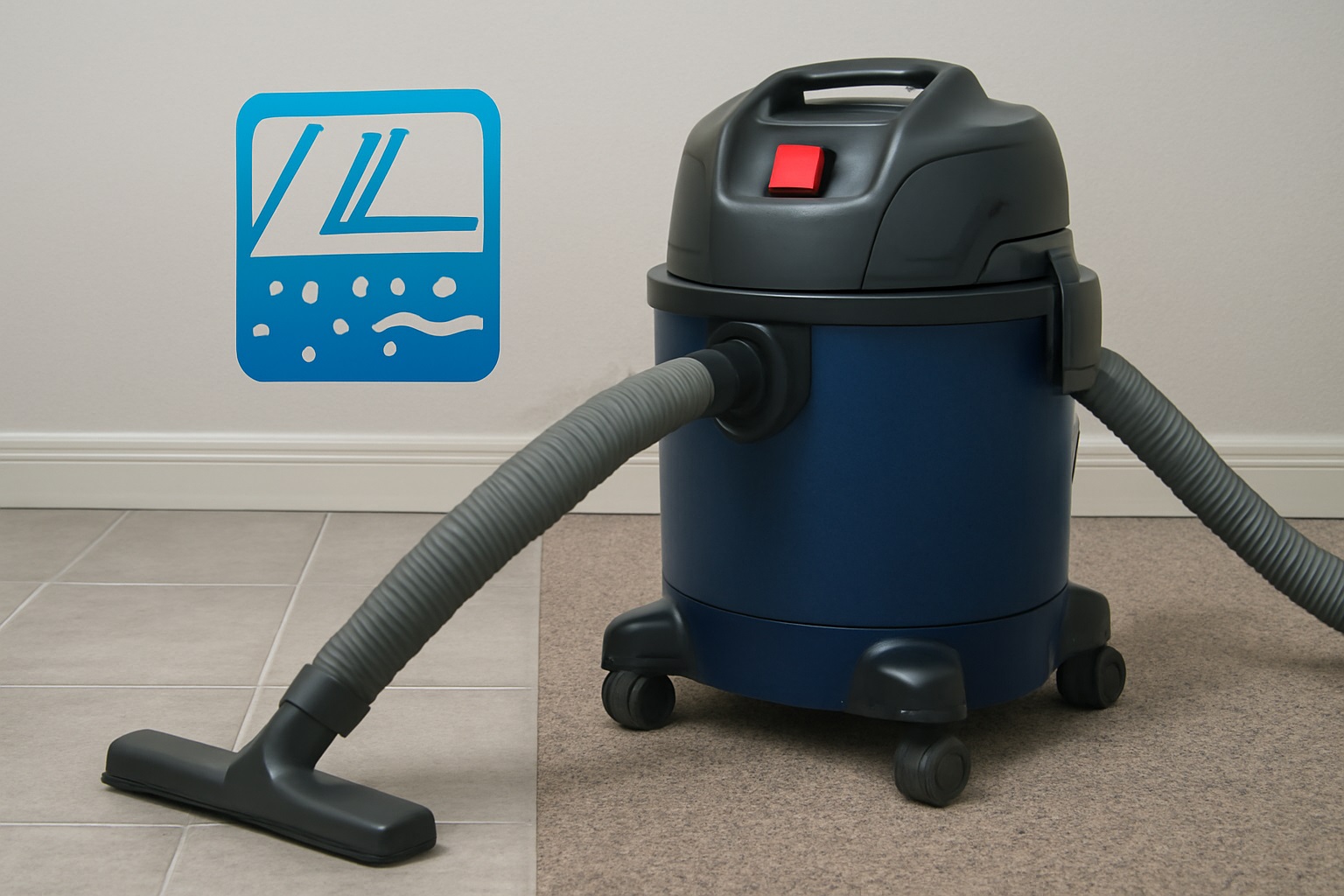
Vacuuming different types of flooring requires specific settings to ensure the best cleaning performance. From plush carpets to hardwood floors or tile, each surface has unique cleaning needs. Smart vacuums have revolutionized cleaning by incorporating advanced technology that allows them to detect and adapt to various floor types automatically. Whether it's an upright vacuum cleaner, a wet dry vacuum cleaner, or a portable self-cleaning vacuum cleaner, these devices can adjust their suction power, cleaning modes, and brush settings to match the surface they're cleaning.
In this article, we’ll explore how smart vacuums detect and adapt to different floor types, ensuring superior cleaning performance and efficiency across a range of surfaces.
The Evolution of Smart Vacuums
Traditional household vacuum cleaners and upright vacuum cleaners were primarily designed for a single type of surface—usually carpet. Users had to manually adjust settings for different floor types, which was often time-consuming and inconsistent.
In contrast, modern smart vacuums are equipped with advanced sensors, AI technology, and multi-surface capabilities that enable them to automatically detect the type of floor they're cleaning and adjust their settings accordingly. This capability improves cleaning efficiency, enhances floor care, and makes the cleaning process more convenient.
How Do Smart Vacuums Detect Different Floor Types?
Surface Detection Sensors
Smart vacuums are equipped with surface detection sensors that can identify the floor type in real-time. These sensors detect differences in the texture, color, and depth of the flooring as the vacuum moves across the surface. For example, when a vacuum encounters carpet, it will automatically recognize the material's density and adjust its suction power to provide deep cleaning. On hard floors, such as wood or tile, the vacuum reduces suction to ensure optimal cleaning without causing damage.
Visual and LIDAR Mapping Technology
Many smart vacuums use LIDAR (Light Detection and Ranging) or visual mapping technology to create detailed maps of the environment. These technologies not only help the vacuum navigate the space but also identify different floor types within the mapped area. For example, when a smart vacuum detects that it has transitioned from a hardwood floor to a carpet, it can adjust its suction power and brush settings to match the new surface.
AI Algorithms for Surface Adaptation
Advanced smart vacuums incorporate AI-driven algorithms that enable the vacuum to "learn" the layout of a home or commercial space and make real-time adjustments. These algorithms recognize floor types and adjust the cleaning strategy accordingly. For instance, when a vacuum for multi-surface cleaning detects a transition between a soft carpet and a hard floor, the AI will automatically adjust the vacuum's settings to ensure effective cleaning on both surfaces. This intelligent adaptability makes these vacuums ideal for homes or offices with a variety of flooring types.
How Do Smart Vacuums Adapt to Different Floor Types?
Automatic Suction Adjustment
Once a smart vacuum detects the type of floor it is cleaning, it adjusts the suction power to optimize cleaning performance. On carpets, especially thick-pile carpets, the vacuum increases suction to lift embedded dirt and dust. On hard floors, such as tile or hardwood, the vacuum reduces suction to prevent debris from being pushed around or causing damage to the floor. This automatic adjustment is key to efficient cleaning, ensuring that the vacuum doesn’t waste energy or overwork itself on surfaces that don’t require intense suction.
For example, a wet dry vacuum cleaner might use higher suction on carpeted areas to remove deeply embedded dirt, while reducing suction on tile floors to avoid pushing debris.
Brush Roll Adjustments
In addition to suction power, the brush roll is another key component that needs to adapt based on the floor type. Smart vacuums often come with motorized brushes that can be adjusted automatically for different surfaces. When the vacuum detects carpet, the brush roll speeds up to agitate the fibers and loosen dirt. On hard floors, the brush rolls slow down or stop spinning to prevent scattering dust and debris.
Some vacuum for multi-surface models feature specially designed brushes that can adjust to different surfaces, providing deep cleaning on carpets and gentle cleaning on hard floors.
Smart Sensors for Carpet Height
For upright vacuum cleaners and wet dry vacuum cleaners, adjusting the height of the vacuum's nozzle is essential for proper cleaning. Many smart vacuums have sensors that can detect the height of the carpet and adjust the nozzle accordingly. This prevents the vacuum from being too high off the ground or too close to the carpet, ensuring optimal suction and cleaning performance.
This feature is particularly useful for homes or offices with multiple carpet types. For example, a high suction vacuum cleaner might adjust its height for plush, thick carpets, while it will lower the nozzle for low-pile carpets to ensure maximum cleaning efficiency.
Specialized Modes for Different Surfaces
To further improve cleaning, many smart vacuums come with specific modes designed for different floor types. For instance, the vacuum for multi-surface cleaning mode is designed to seamlessly transition between carpet, tile, hardwood, and even rugs, adjusting suction, brush roll speed, and cleaning patterns for each surface.
A portable self-cleaning vacuum cleaner, which is often used for more focused tasks, can also adjust its settings to clean smaller areas like rugs or pet beds, offering specialized cleaning on a variety of floor types in different settings.
Benefits of Smart Vacuum Adaptability in Homes and Commercial Spaces
Time and Energy Savings
By automatically adjusting to different floor types, smart vacuums save time and energy. There’s no need to manually switch settings or move the vacuum between different surfaces, allowing for more efficient cleaning and reducing the overall time spent cleaning.
This is especially beneficial in homes with a mix of carpet, tile, and hardwood floors, or in commercial spaces with different zones requiring different cleaning intensities.
Better Floor Care
Smart vacuums ensure that each type of flooring is cleaned in the most appropriate manner. Whether it's a delicate hardwood floor or a durable carpet, these vacuums optimize settings to provide the best cleaning performance without damaging the surface. For example, a wet dry vacuum cleaner will apply the correct amount of water and suction for tiled areas, while keeping the carpet dry.
Consistent Results
Because the smart vacuum adjusts automatically for different surfaces, it ensures consistent cleaning results throughout the entire space. No area is over-cleaned or under-cleaned, providing a uniform clean across various types of flooring. This is particularly useful for large commercial spaces or homes with diverse floor types.
Conclusion
The integration of advanced technologies in smart vacuums has significantly improved the cleaning process, especially in environments with different floor types. By using sensors, AI algorithms, and automatic suction and brush roll adjustments, smart vacuums detect and adapt to multi-surface floors, ensuring optimal cleaning performance on carpets, hardwood, tile, and more. Whether it’s an upright vacuum cleaner, a wet dry vacuum cleaner, or a vacuum for multi-surface, smart vacuums offer a more efficient, effective, and convenient way to clean.
With their ability to automatically adjust to different floor types, these vacuums make maintaining cleanliness in diverse environments easier and more efficient.
Hashtags
SmartVacuum, UprightVacuumCleaners, HouseholdVacuumCleaners, VacuumForMultiSurface, WetDryVacuumCleaners, PortableSelfCleaningVacuumCleaner, HighSuctionVacuumCleaner, SmartCleaning, MultiSurfaceVacuum, AutomaticSuctionAdjustment, EfficientVacuuming, FloorCareTechnology, Lanxstar.



