Hi, message us with any questions.
We're happy to help!





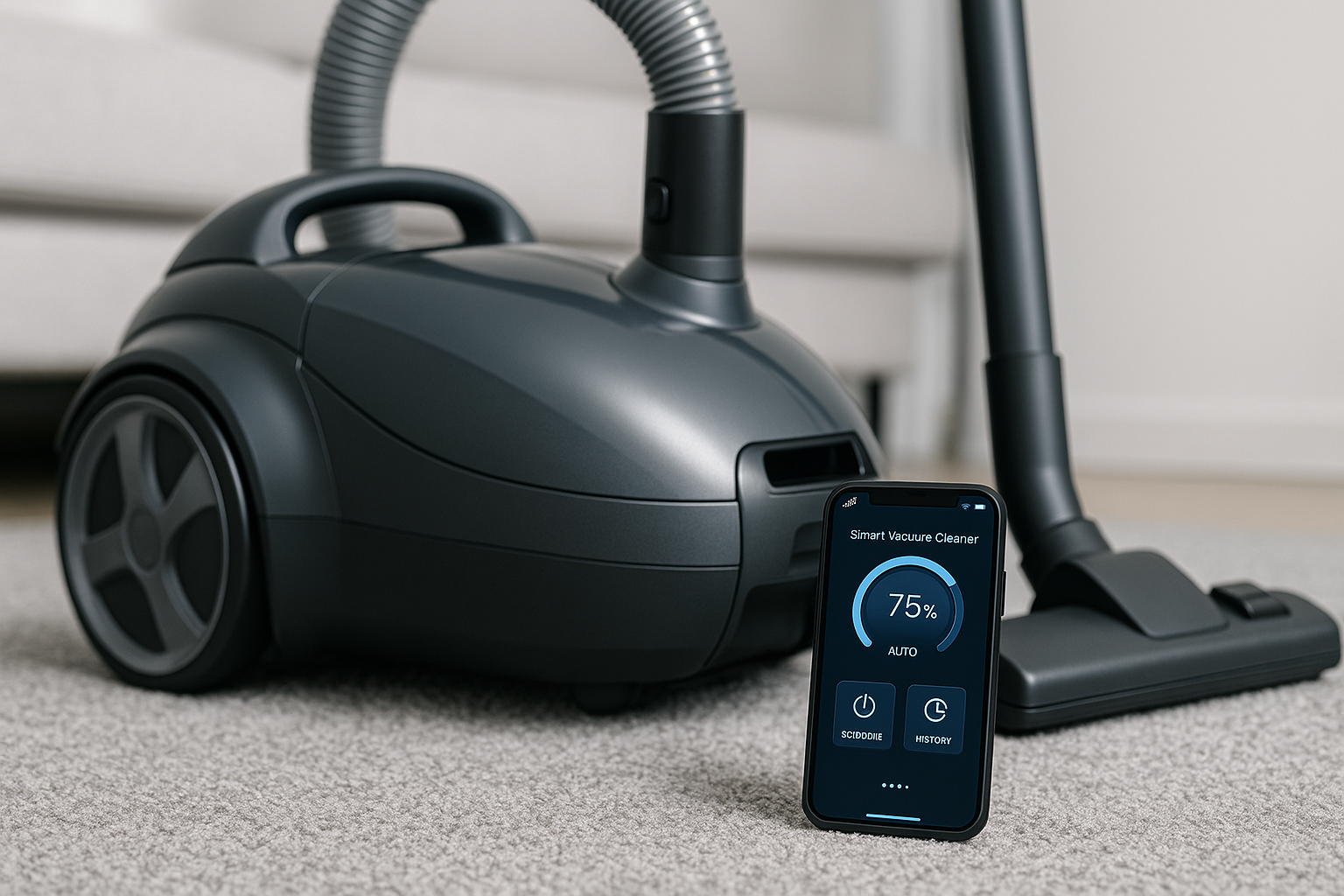
Vacuum cleaners have undergone a remarkable technological transformation in recent years—evolving from simple mechanical devices into intelligent cleaning systems powered by advanced sensors, AI-driven analytics, and IoT connectivity.
In commercial environments such as hospitals, airports, shopping malls, hotels, and large office facilities, organizations now rely on smart vacuum systems to achieve consistent, traceable, and data-backed cleaning outcomes.
Modern devices such as High Suction Vacuum Cleaner, HEPA Filter Vacuum Cleaner, 4 in 1 Cordless Smart Wet & Dry Vacuum Cleaner, and Self-Cleaning Vacuum Cleaner incorporate sensors that optimize suction, monitor air quality, detect debris, and automate maintenance.
This article explores how these technologies work and why they are essential to the future of commercial cleaning.
1. The Role of Smart Sensors in Modern Vacuum Cleaners 🧠🧹
Smart sensors enable vacuum cleaners to analyze their environment and adjust performance automatically.
Core sensor technologies include:
📍 Dust detection sensors
📍 Floor-type recognition
📍 Suction pressure sensors
📍 Airflow sensors
📍 Water-level sensors (wet–dry models)
📍 HEPA filter health sensors
📍 Battery and motor temperature sensors
These sensors allow vacuums to perform more consistently, efficiently, and safely.
2. Dust Detection Sensors Improve Cleaning Precision 🔍🌫️
Dust sensors detect particulate concentration in real time.
Key benefits:
✔ Auto-increases suction on dirty areas
✔ Saves battery on cleaner surfaces
✔ Reduces operator guesswork
✔ Ensures consistent cleaning quality
You’ll find these sensors in devices like:
High Suction Vacuum Cleaner
Cordless Vacuum Cleaner
Fast Lightweight Vacuum Cleaner
Robots and cordless models use dust sensors to adapt to carpets, hardwood floors, and high-traffic zones.
3. Floor-Type Recognition Sensors Optimize Power Usage 🧩🪵🧼
Modern vacuums detect whether they are cleaning:
Carpet
Tile
Vinyl
Stone
Hardwood
Models like Multi-Functional Durable Vacuum Cleaner and quiet vacuum cleaner automatically modify suction and roller speed accordingly.
Benefits include:
✔ Improved battery life
✔ Reduced noise
✔ Enhanced cleaning precision
✔ Longer motor lifespan
This technology is essential for multi-surface commercial environments.
4. Airflow & Suction Sensors Enhance Efficiency 🌬️⚡
Airflow sensors help vacuums maintain peak performance even as dustbins fill or filters clog.
They enable:
✔ Real-time suction adjustment
✔ Intelligent airflow routing
✔ Performance notifications
✔ Energy-saving suction alignment
Airflow sensors appear in:
Energy-Saving Efficient Powerful Vacuum Cleaner
pro-grade suction vacuum
Cordless Vacuum Cleaner
This ensures optimal power use and consistent cleaning results.
5. HEPA Filter Monitoring Sensors Improve Hygiene 🦠🫧
HEPA filters require precise maintenance.
Smart sensors track:
📍 Filter clog levels
📍 Remaining filter efficiency
📍 Airflow resistance
📍 Replacement timing
Such systems are critical in:
HEPA Filter Vacuum Cleaner
Vacuum Cleaner for Pet Hair
Apartment Vacuum Cleaner
HEPA monitoring ensures compliance with healthcare and public facility hygiene standards.
6. Smart Wet–Dry Sensors Prevent Cross-Contamination 💧🧹🔐
Wet–dry vacuums use water-level and contamination sensors to maintain hygiene.
Sensors detect:
✔ Tank capacity
✔ Dirty water overflow risk
✔ Cross-contamination points
✔ Water circuit blockages
Models include:
Wet Dry Vacuum Cleaners
Wet and Dry Vacuum Cleaner
Large-Capacity Wet Dry Vacuum Cleaner
These features automate safe operation in hospitals, malls, restaurants, and industrial facilities.
7. Battery, Thermal & Motor Health Sensors Extend Product Life 🔋🌡️⚙️
Cordless vacuums rely heavily on:
Battery temperature sensors
Motor thermal sensors
Charging cycle analyzers
These protect devices from:
❌ Overheating
❌ Overcharging
❌ Excessive wear
❌ Performance drop
Such sensors are vital in:
Li-ion Cordless Handheld Vacuum Cleaner
cordless handheld vacuums
Cordless Vacuum Cleaner
The result is longer product life and reduced operational cost.
8. IoT & Data Analytics Enable Predictive Maintenance 📊🤖
One of the biggest advantages of smart sensors is data analytics.
IoT-enabled vacuums generate insights on:
📍 Suction consistency
📍 Cleaning routes
📍 Filter health
📍 Battery cycles
📍 Motor load
📍 Cleaning frequency
Predictive maintenance helps avoid:
✔ Unexpected breakdowns
✔ Poor cleaning performance
✔ Safety risks
✔ Costly repairs
Facilities with large fleets—airports, malls, hospitals—benefit greatly from IoT analytics dashboards.
9. Smart Sensors Support Cleaning Validation & Compliance 📄🧽
Since the pandemic, cleaning validation has become a mandatory requirement in many industries.
Smart sensors track:
📍 Which areas were cleaned
📍 Cleaning duration
📍 Cleaning frequency
📍 Air quality improvements
📍 Filter efficiency levels
This data is essential for:
Healthcare audits
School sanitization records
Hospitality cleanliness scoring
Government inspections
Public facility compliance
Smart vacuums streamline reporting and improve transparency.
10. How Smart Sensors Shape the Future of Cleaning 🚀🌐
As sensors become more advanced, vacuum cleaners will evolve into fully autonomous cleaning platforms.
Future developments include:
🤖 AI dust pattern prediction
🌐 Full building integration
🔋 Automatic docking and self-cleaning
📊 Deep performance analytics
🧠 Advanced contaminant detection
💡 Energy flow optimization
Smart sensor ecosystems will power next-generation robotic and cordless vacuum solutions across all commercial sectors.
Conclusion: Sensors & Data Are the New Cleaning Standards ✨📡
Smart sensors and data analytics have transformed vacuum cleaners into intelligent, efficient, and compliance-ready cleaning systems. From HEPA monitoring and suction control to predictive maintenance and IoT-connected cleaning logs, these technologies enhance performance, reduce energy use, and improve safety.
Commercial cleaning operations—powered by HEPA, wet–dry, cordless, and automated smart vacuum systems—are entering a new era of efficiency and intelligence.
50 Tags
High Suction Vacuum Cleaner, Portable Quiet Vacuum Cleaner, Self-Cleaning Vacuum Cleaner, Multi-Functional Durable Vacuum Cleaner, Fast Lightweight Vacuum Cleaner, Energy-Saving Efficient Powerful Vacuum Cleaner, Large-Capacity Wet Dry Vacuum Cleaner, Li-ion Cordless Handheld Vacuum Cleaner, Wet Dry Vacuum Cleaners, 4 in 1 Cordless Smart Wet & Dry Vacuum Cleaner, cordless handheld vacuums, Cordless Vacuum Cleaner, Car Vacuum Cleaner, quiet vacuum cleaner, wet dry vacuum, Portable Vacuum for Travel, HEPA Filter Vacuum Cleaner, Apartment Vacuum Cleaner, Wet and Dry Vacuum Cleaner, Quiet Vacuum for Night Use, Vacuum Cleaner for Pet Hair, Vacuum Cleaner for Hardwood Floors, best vacuum on a budget, best budget hoover, good budget vacuum, best affordable vacuum, best budget vacuum, best value for money hoover, best value hoover, best vacuum cleaners on a budget, best vacuums on a budget, good budget vacuum cleaner, vacuums procurement, vacuum cleaner distribution, Lanxstar, industrial vacuum supplier, commercial wet dry vac, cordless cleaning equipment, smart auto-clean vacuum, handheld vacuum for car detailing, hotel cleaning vacuum, home cleaning vacuum, HEPA filtration system vacuum, portable car cleaner, lightweight smart vacuum, rechargeable cordless vacuum, pro-grade suction vacuum, multi-surface vacuum cleaner, dual-tank wet dry cleaner.