Hi, message us with any questions.
We're happy to help!





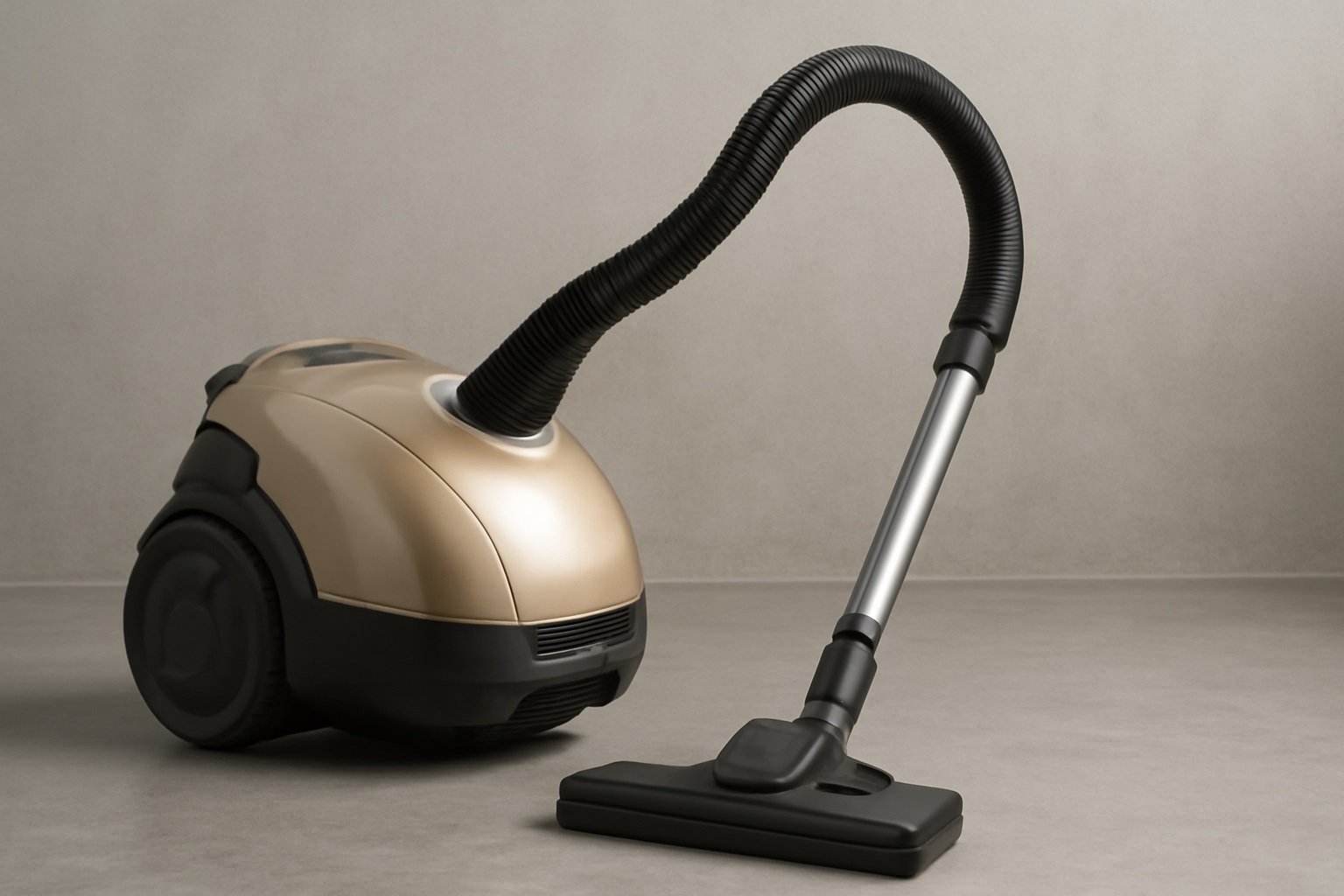
In today’s competitive vacuum cleaner market, distributors and manufacturers must navigate a variety of regional pricing models to maximize profits while remaining competitive. Different regions, such as the EU, Middle East, and North America, have unique consumer behaviors, demand patterns, and cost structures. Therefore, understanding which pricing strategy works best is crucial to achieving profitability. In this article, we will explore how to apply different pricing strategies to specific vacuum cleaner types, such as household vacuum cleaners, high suction vacuum cleaners, and large-capacity wet dry vacuum cleaners, ensuring that distributors can optimize profit across regions.
1. Regional Pricing Considerations: Understanding Market Variations 🌍💸
Consumer Behavior and Regional Preferences
Consumer preferences significantly impact the pricing strategy for vacuum cleaners in different regions. For instance, in the EU, consumers often prioritize energy-saving efficient powerful vacuum cleaners, while in the Middle East, there is a growing demand for large-capacity wet dry vacuum cleaners that can handle both residential and commercial cleaning needs. Understanding these regional demands helps determine how to best position products for maximum profit.
Cost of Living and Purchasing Power
The cost of living and purchasing power vary significantly between regions. For example, in North America, consumers have higher purchasing power and may be more inclined to purchase premium products like high suction vacuum cleaners or wet dry vacuum cleaners. However, in emerging markets, such as the Middle East, consumers are more price-sensitive, making cost-effective models like car vacuum cleaners and basic household vacuum cleaners more popular.
2. Profit Strategies for Premium Products 🏆
High Suction Vacuum Cleaners and Energy-Efficient Models
Premium models like high suction vacuum cleaners and energy-saving efficient powerful vacuum cleaners can command a higher price due to their advanced features. These models often justify a higher price tag in regions with a strong demand for performance and sustainability, such as Western Europe and North America.
Profit Strategy: Premium Pricing with Value Additions
In regions where consumers are willing to pay a premium for quality and performance, distributors should use a premium pricing strategy. Here, high-end models can be marketed with value-added benefits, such as longer warranties or free accessories. This strategy can be especially effective in markets where consumers prioritize energy efficiency and long-term savings on power bills, which is common in regions like Europe.
Example: In Germany and France, where consumers are environmentally conscious, distributors could promote energy-efficient vacuum cleaners as part of a larger sustainability initiative, highlighting the long-term cost savings on energy bills and their eco-friendly design.
Profit Benefit: Premium pricing allows for higher margins, especially when offering value-adds that justify the higher initial price. These models can be priced at 20-30% higher than standard models, depending on the features.
3. Cost-Effective Pricing for Entry-Level Models 💡
Household Vacuum Cleaners and Car Vacuum Cleaners
In regions where consumers are more price-sensitive, like parts of the Middle East and Eastern Europe, offering affordable household vacuum cleaners and car vacuum cleaners with a value-for-money approach will likely yield better results.
Profit Strategy: Penetration Pricing
For markets that are more sensitive to pricing, distributors should consider using a penetration pricing strategy. This involves offering household vacuum cleaners and car vacuum cleaners at a competitive price to attract a larger customer base. These models can be promoted with straightforward features and reliable performance, making them appealing to consumers who want a cost-effective cleaning solution.
Example: In Dubai, where homes and cars are frequently cleaned due to the climate, affordable car vacuum cleaners can be marketed with special promotions or bundled with additional accessories to attract buyers looking for practicality and affordability.
Profit Benefit: This strategy works well for high-volume sales. Even with lower margins, selling in higher quantities can generate significant revenue over time.
4. Pricing for Multi-Functionality and Durability 💪
Large-Capacity Wet Dry Vacuum Cleaners
Large-capacity wet dry vacuum cleaners are in high demand in both residential and commercial markets, particularly in the Middle East and North America. These vacuums can handle both wet and dry messes, which makes them ideal for larger spaces or businesses. As commercial cleaning is increasingly important in these regions, these products present an opportunity for distributors to set higher price points.
Profit Strategy: Skimming Pricing for High-Performance Models
For large-capacity wet dry vacuum cleaners, the skimming pricing strategy may be appropriate. This involves setting a high price initially to maximize profit from early adopters who are willing to pay for the latest and most advanced features. As demand stabilizes and competition increases, the price can be gradually reduced to attract a broader audience.
Example: In Saudi Arabia, where large homes and commercial spaces require powerful cleaning solutions, wet-dry vacuum cleaners can be marketed with high-end features such as multi-surface cleaning and HEPA filtration.
Profit Benefit: Skimming pricing helps recover costs quickly for innovative products and allows for premium pricing in the early stages. Over time, the price can be adjusted to attract a larger segment of the market.
5. Tiered Pricing Models for Multiple Customer Segments 🏢🏠
Wet Dry Vacuum Cleaners for Both Commercial and Residential Use
A tiered pricing model is especially effective for products like wet dry vacuum cleaners that can serve both residential and commercial markets. In regions like North America, where there’s a high demand for both residential and commercial cleaning, offering different price points based on usage type can increase orders.
Profit Strategy: Tiered Pricing
For wet dry vacuum cleaners, distributors can offer different versions of the product at different price points—basic models for home users and more powerful models for businesses or industrial cleaning. The tiered pricing strategy allows distributors to capture a wider market segment, from budget-conscious homeowners to professional cleaning companies.
Example: In the US, offer a basic residential wet-dry vacuum at an entry-level price, and a heavy-duty industrial model for commercial establishments like hotels or offices, priced higher due to enhanced features and capacity.
Profit Benefit: This approach attracts a diverse range of consumers and businesses, maximizing the potential customer base and revenue per product category.
Conclusion: Choosing the Best Pricing Strategy for Your Region
Understanding the regional variations in pricing and demand for vacuum cleaners is essential to maximizing profit margins and increasing order volume. Whether using premium pricing for high-performance models, penetration pricing for entry-level products, or tiered pricing for products with different use cases, distributors must tailor their strategies to each market.
In regions like the EU and Middle East, where preferences for energy-efficient models and wet-dry vacuum cleaners are growing, aligning product features with regional needs and consumer behavior will ensure continued growth and profitability. By applying the right pricing strategies, distributors can optimize their profit per unit and expand their market share across diverse regions.
Hashtags
HouseholdVacuumCleaners, HighSuctionVacuumCleaner, EnergySavingEfficientVacuum, LargeCapacityWetDryVacuumCleaner, WetDryVacuumCleaners, CarVacuumCleaner, RegionalPricing, VacuumDistribution, ProfitStrategy, TieredPricing, VacuumPricingStrategy, EUVacuumMarket, MEVacuumMarket, VacuumProfitMargins, PricingStrategy, HighPerformanceVacuum, CommercialVacuum, VacuumForBusiness, VacuumMarketTrends, Lanxstar.



