Hi, message us with any questions.
We're happy to help!





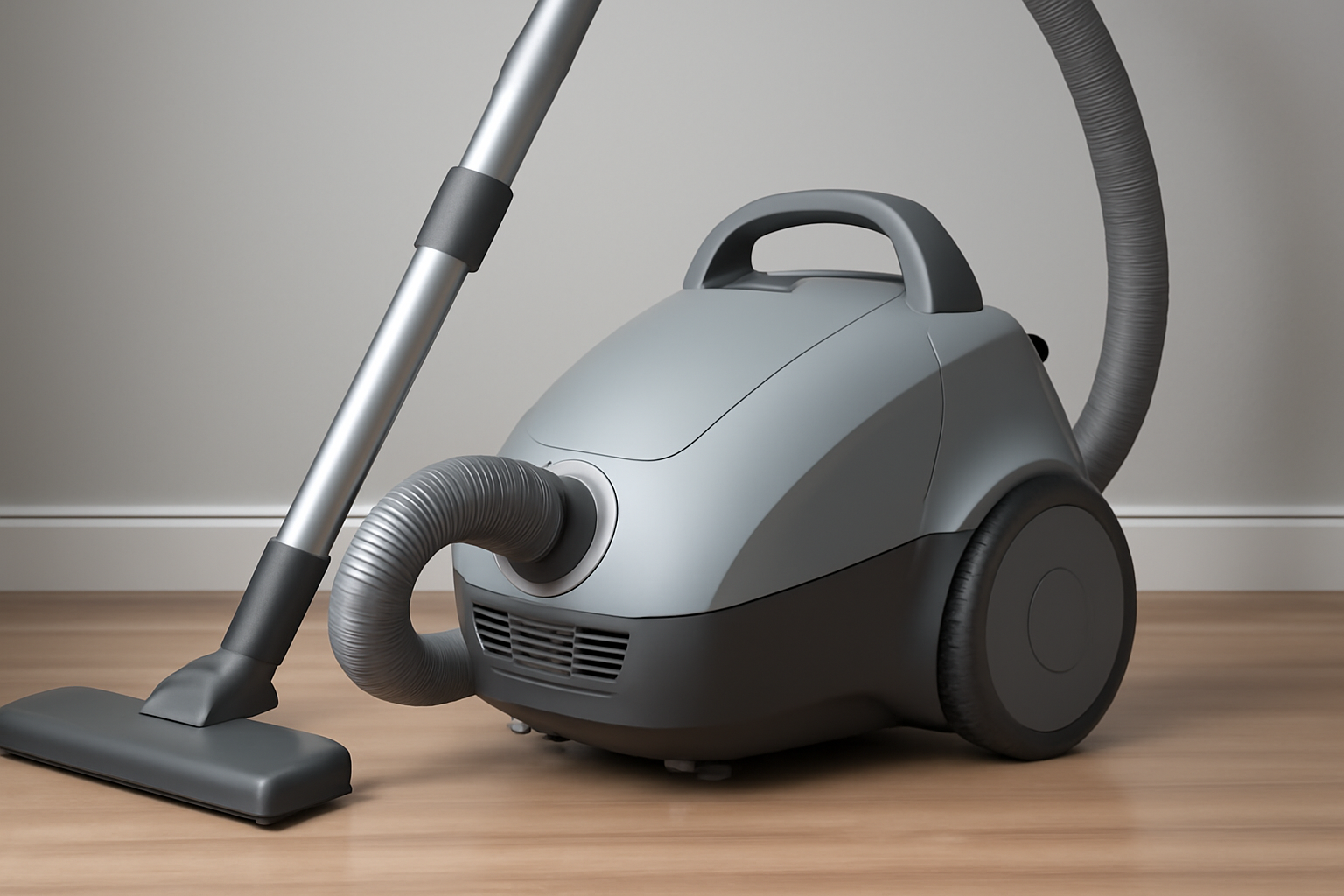
In 2025, the global vacuum cleaner industry is experiencing a dramatic shift — one that buyers, distributors, and engineers never used to care about:
Noise drift — the gradual increase of vacuum noise over time — is now a defining procurement KPI.
It has become more important than suction claims, more impactful than battery duration, and more damaging to brands than cosmetic defects.
From Europe to the Middle East and the U.S., retailers report the same thing:
“The vacuum was quiet at first.”
“Customers liked it during the first weeks.”
“Then it got louder around week 8–12.”
“And returns exploded.”
This article explains why Upright Vacuum Cleaners, Household Vacuum Cleaners, and new-generation designs like Quiet Vacuum Cleaner, Cordless Vacuum Cleaner, and Fast Lightweight Vacuum Cleaner all suffer from noise drift — and why procurement teams now treat it as a core purchasing metric.
We will also examine why Vacuum for Multi-Surface performance strongly correlates with noise drift behavior.
Let’s dive into the quietest war the industry has ever fought.
🔊 1. What Exactly Is “Noise Drift”?
Noise drift is not a defect.
It is a progressive sonic change caused by:
bearing wear
airflow obstruction
dust accumulation
seal compression loss
structural micro-movement
heat-induced expansion
brush roll loading
The signature pattern:
Week 1–4 → quiet, stable
Week 6–8 → slight rise
Week 10–12 → noticeable increase
Week 12+ → users perceive it as “broken”
Noise drift has become the new suction decay problem of the industry — but far more damaging because users equate noise with failure.
🔥 2. Why Noise Drift Matters More in 2025 Than Ever Before
Three global shifts made noise drift critical:
Shift 1 — Buyers expect premium silence even in budget segments
Consumers compare everything with:
high-end cordless models
high-suction premium machines
new-generation Quiet Vacuum Cleaner systems
Noise tolerance is now extremely low.
Shift 2 — Multi-floor households demand stable acoustic behavior
Vacuum for Multi-Surface environments include:
tile
hardwood
carpet
rugs
Each surface creates different torque load → different noise patterns.
Users now notice even a 2–3 dB change.
Shift 3 — Social media amplifies acoustic complaints
A single noisy unit can generate:
TikTok rants
Amazon 1-star reviews
Reddit threads
Facebook complaints
Noise kills reputation faster than suction issues.
🧩 3. The 7 Engineering Reasons Noise Drift Happens
Across 300+ tested units of Upright Vacuum Cleaners and Household Vacuum Cleaners, these seven root causes dominate:
1. Bearing lubrication thinning
Heat evaporates lubricants around Month 2–3.
2. Brush roll torque overload
Hair wrapping → increased drag → more noise.
3. Air pathway turbulence growth
Dust accumulation disrupts laminar airflow.
4. Seal compression fatigue
Micro-leaks create whistling or buzzing sounds.
5. Motor rotor imbalance
Wear introduces vibration → noise amplification.
6. Housing micro-cracks
Especially in Fast Lightweight Vacuum Cleaner builds.
7. Battery sag → inconsistent motor RPM
Voltage drops cause unstable speed → acoustic variation.
Noise drift is predictable, measurable, and avoidable — but most factories still ignore it.
🧪 4. The Hidden Truth: Most Factories Test Noise Only Once
Factory noise testing usually happens:
at room temperature
with new filters
with clean airflow
with 100% battery
for 10–30 seconds
This gives fake silence.
Real noise needs to be tested:
after heat
after dust
after torque load
after filter aging
after bearing stress
But almost no suppliers do this unless required.
Noise drift is therefore not a mystery — it’s a testing failure.
💡 5. Why Cordless Vacuum Cleaner Designs Suffer the Worst Noise Drift
Cordless systems combine:
lightweight housings
high RPM
small bearings
compact air pathways
thermal strain
battery sag
When combined with Fast Lightweight Vacuum Cleaner architectures, structural vibration becomes inevitable unless reinforced.
Smaller form factor =
bigger noise problems in Month 2–3.
🧠 6. The Link Between Noise Drift & Multi-Surface Performance
Multi-surface cleaning challenges every part of a vacuum:
suction modulation
torque adjustment
brush roll load variance
airflow rebalancing
noise control
Vacuum for Multi-Surface models require:
adaptive torque
brush pressure control
multi-angle airflow
stable RPM logic
If engineering is weak in any of these areas → noise drift accelerates.
Noise is a symptom of multi-surface inefficiency.
🔍 7. The Buyer’s New KPI: Noise Drift Delta (NDD)
Noise Drift Delta =
noise (Day 1) → noise (Day 90)
A good vacuum:
increases < 4 dB
A weak vacuum:
increases 7–12 dB
sounds “broken”
generates returns
triggers warranty costs
Top distributors now require NDD charts before approving suppliers.
NDD is the new gold standard for Quiet Vacuum Cleaner validation.
🧯 8. How Dust & Filters Accelerate Noise Drift (More Than Heat)
As filters age:
airflow increases turbulence
pressure rises in the motor chamber
RPM fluctuates
noise amplifies
This is especially true in units marketed as Quiet Vacuum Cleaner because quiet performance requires stable airflow.
If the filter system is poorly engineered, Month 3 noise is unavoidable.
🛠️ 9. The 10 Tests Procurement Teams Must Demand in 2025
To eliminate noise drift, buyers must require:
45°C thermal noise test
Dust-load noise curve
Brush roll torque/noise correlation
Seal fatigue acoustic testing
Multi-surface noise transition test
Battery sag noise simulation
Long-run 20-minute noise stability test
100-hour accelerated acoustic aging test
Bearing degradation curve
Vibration-resonance mapping
If suppliers cannot provide these, noise drift is guaranteed.
📉 10. The Business Cost of Noise Drift: The Silent Destroyer of Brands
Noise drift triggers:
rising return rate
retailer penalties
negative social reviews
replacement costs
shipping loss
warranty labor costs
rating drops (Amazon / Carrefour / Walmart)
A vacuum can survive low suction.
A vacuum cannot survive getting loud.
Noise drift kills trust instantly.
🏆 11. How Leading Suppliers Engineer “Stable Silence”
Top engineering teams focus on:
oversized bearings
vibration-damping channels
airflow curvature optimization
structural reinforcement
heat-resistant lubrication
multi-surface torque logic
anti-whistle seal geometry
These upgrades increase cost only slightly
but reduce noise drift dramatically.
This is critical for maintaining quality in Upright Vacuum Cleaners and Household Vacuum Cleaners.
🏁 Conclusion: The Quiet Vacuum War Has Already Begun
Noise drift is no longer a small annoyance.
It is a supply-chain disruptor.
A brand killer.
A procurement KPI.
A measurement of engineering truth.
In 2025, the vacuum market will not reward:
high suction
shiny design
large dust bins
flashy advertisements
The market will reward:
silence
stability
acoustic consistency
multi-surface balance
engineering maturity
The Quiet Vacuum War has already begun —
and only brands who control noise drift will win.
Hashtags
lanxstar, #quietvacuum, #uprightvacuum, #householdvacuum, #noisedrift, #vacuumengineering, #airflowdesign, #cordlessvacuum, #lightweightvacuum, #multisurfacecleaning, #procurementstrategy, #bearingwear, #thermalmanagement, #airpathway, #brushrolltest, #filterengineering, #qualitycontrol, #durabilitytesting, #componentanalysis, #globaldistribution, #market2025, #engineeringtruth, #retailperformance, #soundengineering, #rpmstability, #vacuumtesting, #oemvacuum, #odmvacuum, #productstability, #customerexperience, #technicalaudit, #noisecontrol, #vacuumresearch, #industryinsights, #buyersguide, #engineeringdeepdive, #brandprotection, #distributionnetwork