Hi, message us with any questions.
We're happy to help!





🧼 Cleanliness Is Now Strategy — Not Just Maintenance
In the post-COVID world, cleaning is no longer a background task; it’s a core operational pillar.
Customers, employees, and regulators now evaluate businesses based on hygiene visibility, air quality, and sanitation frequency.
Whether you manage an office tower in Dubai, a factory in Germany, or a retail chain in Saudi Arabia — one truth applies:
consistent, measurable cleaning routines protect both people and brand reputation.
This article outlines how to design a sustainable post-pandemic cleaning program using modern HEPA vacuums, smart sensors, and energy-efficient technologies that meet international hygiene standards.
1️⃣ Step 1: Assess Risks and Define Cleaning Priorities 🧩
Every business environment has unique contamination risks:
Offices: airborne dust, shared equipment
Factories: industrial residue, fine particles
Retail spaces: high-touch surfaces, fluctuating traffic
Start by conducting an environmental hygiene audit, measuring particulate matter and surface cleanliness using Smart Vacuum Technology sensors.
This data-driven approach replaces guesswork with real insight, helping you set precise cleaning intervals per zone.
2️⃣ Step 2: Choose the Right Cleaning Equipment 🧰
Post-pandemic hygiene demands professional-grade tools designed for both efficiency and filtration.
Key product types include:
Upright Vacuum Cleaners: ideal for large, carpeted or mixed flooring areas
Cordless Vacuum Cleaner: flexible movement between confined or crowded zones
Energy-Saving Efficient Powerful Vacuum Cleaner: ensures strong suction with low power draw
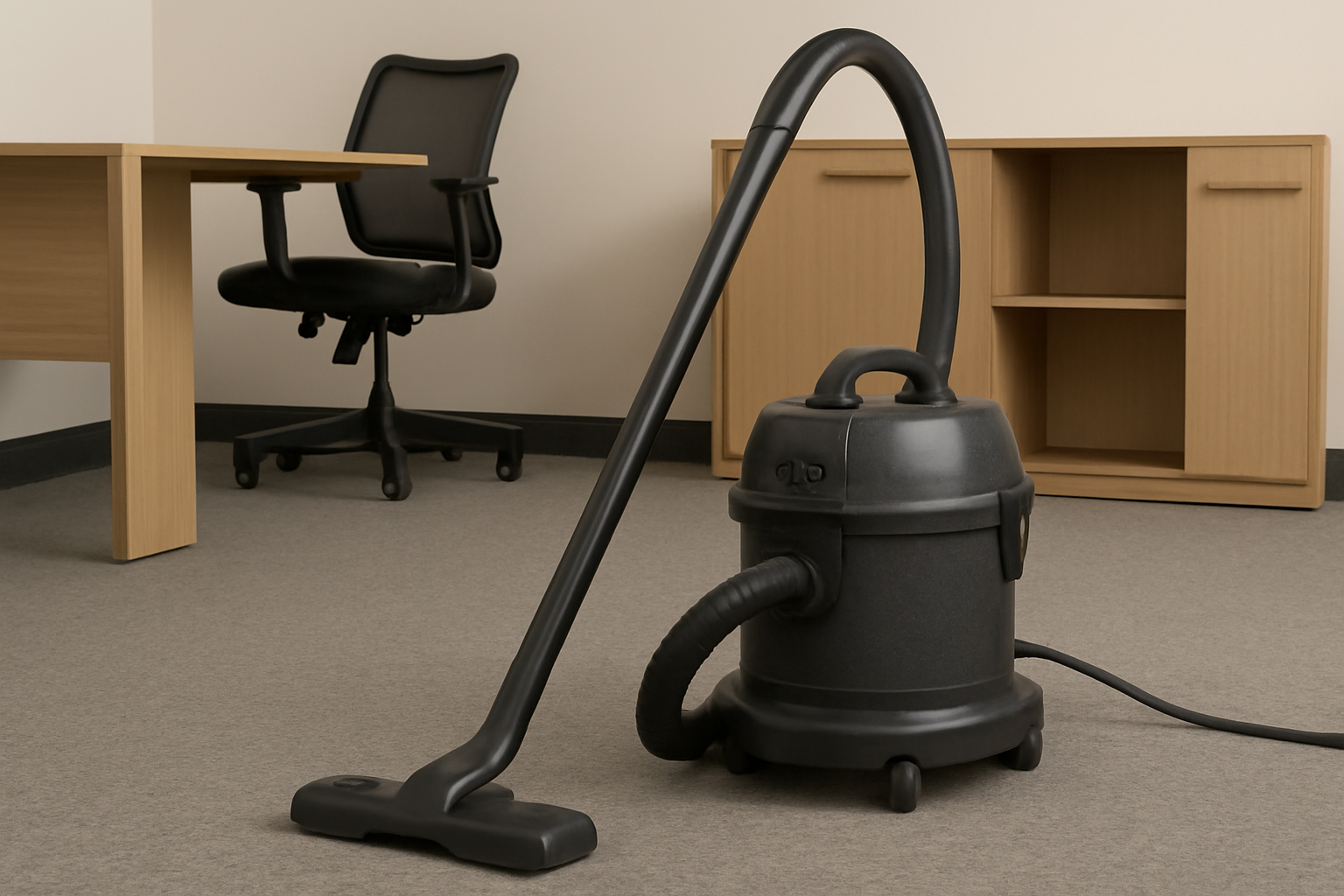
Wet Dry Vacuum Cleaners: perfect for restrooms, cafeterias, and spill-prone surfaces
Quiet Vacuum for Night Use: supports 24/7 cleaning without disrupting operations
Choose models with HEPA H13+ filtration, sealed dust systems, and washable filters to maintain hygiene without consumable waste.
3️⃣ Step 3: Implement Cleaning Frequency Cycles 🔄
A good cleaning routine balances efficiency with necessity.
Adopt a three-tier frequency system based on surface risk:
| Zone Type | Example Areas | Cleaning Frequency | Recommended Equipment |
|---|---|---|---|
| High Contact | Entrances, elevators, workstations | Every 2–3 hours | High Suction Vacuum Cleaner + HEPA filter |
| Medium Use | Meeting rooms, corridors, cafeterias | Twice daily | Wet Dry Vacuum Cleaner |
| Low Contact | Warehouses, storage areas | Once daily | Cordless Vacuum Cleaner |
Smart scheduling platforms linked to IoT vacuum systems can automate this frequency, sending digital alerts for filter replacement or re-cleaning triggers.
4️⃣ Step 4: Integrate Air Filtration Into Cleaning Protocols 🌬
Surface cleaning alone doesn’t prevent airborne transmission.
Integrate HEPA-equipped Commercial Vacuum Cleaners and Smart Air Purification systems into daily operations.
When connected to building HVAC systems, smart vacuums continuously circulate and clean ambient air — capturing micro-particles, allergens, and bacterial spores.
This proactive filtration strategy aligns with standards set by the European Cleaning & Hygiene Technology Alliance (ECHTA) and the CDC (Centers for Disease Control and Prevention).
5️⃣ Step 5: Train and Empower Cleaning Staff 👷♀️
Technology is only as effective as its operators.
Establish structured training covering:
Smart vacuum operation and IoT dashboard use
HEPA filter replacement and disinfection
Energy optimization and maintenance routines
Empowered staff become hygiene ambassadors, ensuring consistency and accountability across every cleaning shift.
“A clean environment starts with an informed team.”
6️⃣ Step 6: Monitor and Measure Hygiene Performance 📊
Smart vacuums with built-in sensors provide real-time feedback on:
Air quality (PM2.5, PM10)
Surface particulate count
Cleaning duration and coverage
Use these metrics to build internal hygiene reports — demonstrating compliance to auditors and clients.
This data-driven transparency is now a competitive advantage, signaling that your business doesn’t just claim to be clean — it proves it.
7️⃣ Step 7: Incorporate Sustainability 🌱
Modern hygiene programs must align with corporate ESG (Environmental, Social, Governance) goals.
Choose cleaning systems that:
Use reusable HEPA filters instead of disposables
Offer energy-saving modes and low-noise motors
Reduce chemical dependency through dry filtration technology
Products such as Energy-Saving Efficient Powerful Vacuum Cleaner and Fast Lightweight Vacuum Cleaner deliver strong results while cutting environmental impact by up to 30%.
8️⃣ Step 8: Automate for Efficiency and Consistency ⚙️
Automation bridges the gap between policy and execution.
Smart vacuums linked to facility dashboards can:
Trigger automatic cleaning in high-traffic areas
Sync cleaning schedules with air-quality sensors
Predict maintenance needs with AI algorithms
Some systems even integrate with Building Management Systems (BMS), allowing facility managers to oversee hygiene performance across multiple locations in real time.
9️⃣ Step 9: Communicate Cleanliness to Build Confidence 🗣
Your customers and employees should see your commitment to hygiene.
Display QR codes or digital dashboards in shared spaces showing cleaning frequency, air quality, and last sanitation time.
This visible data builds confidence and reinforces your brand’s integrity — especially in hospitality, retail, and healthcare sectors.
🔟 Step 10: Review, Adapt, Improve 🔁
Cleaning routines should evolve with technology and environmental data.
Set quarterly reviews to:
Analyze performance metrics
Replace outdated equipment
Adjust cleaning frequency based on occupancy patterns
This iterative approach ensures that your cleaning program remains future-proof, compliant, and cost-effective.
Clean businesses don’t just follow protocols — they create standards.
🧩 Hashtags
Upright Vacuum Cleaners, Household Vacuum Cleaners, Fast Lightweight Vacuum Cleaner, Energy-Saving Efficient Powerful Vacuum Cleaner, Vacuum Cleaner for Allergies, Quiet Vacuum for Night Use, Cordless Vacuum Cleaner, Smart Vacuum Technology, HEPA Filtration System, Wet Dry Vacuum Cleaners, High Suction Vacuum Cleaner, Multi-Functional Durable Vacuum Cleaner, Smart Cleaning Devices, Cordless Handheld Vacuum Cleaner, Smart Cleaning Management, Industrial Cleaning Equipment, B2B Cleaning Distributor, Corporate Cleaning Solutions, Office Cleaning Equipment, Facility Hygiene Strategy, Smart Sanitation Solutions, Air Filtration Systems, Clean Air Technology, Energy Efficient Vacuums, Sustainable Cleaning Equipment, Post-Pandemic Cleaning Routine, Workplace Hygiene Programs, Smart Building Hygiene, Smart Cleaning Automation, Smart Cleaning Innovation, AI Cleaning Systems, GCC Cleaning Market, Middle East Cleaning Industry, Facility Management Tools, Professional Cleaning Solutions, Office Hygiene Optimization, Data-Driven Cleaning, ESG Cleaning Solutions, Smart Air Purification, Hygiene Compliance Tools, Smart Cleaning Workflow, Corporate Health Safety, Infection Control Equipment, Smart Cleaning Analytics, Smart Facility Maintenance, Hygiene Technology Systems, Post-COVID Business Cleaning, Lanxstar