Hi, message us with any questions.
We're happy to help!





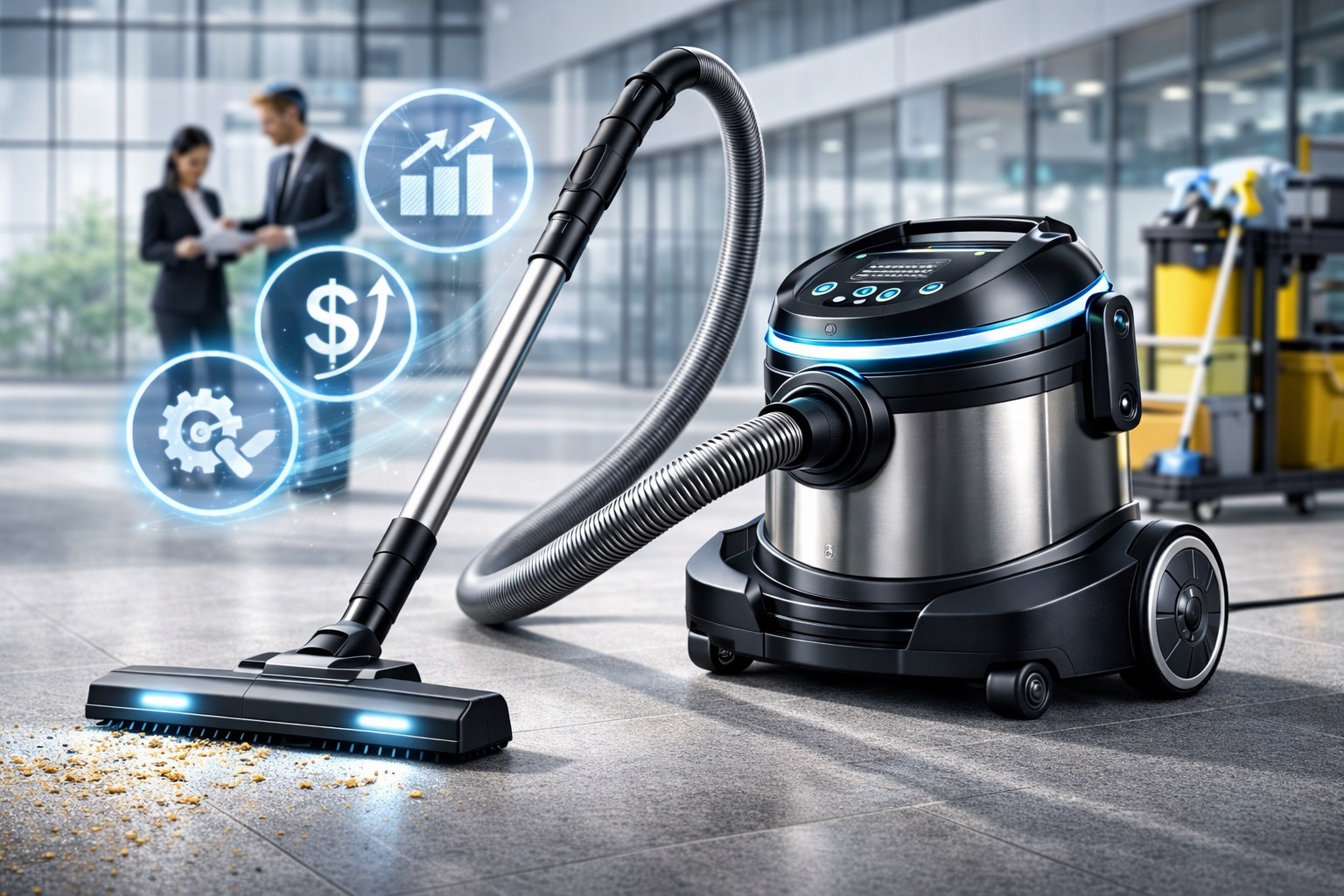
🔍 Introduction: The Business Case for High‑Efficiency Cleaning
Barrel vacuum cleaners are no longer just functional tools — they are performance‑driven assets in business operations. In sectors such as hospitality, healthcare, industrial facilities, and commercial property management, efficiency, durability, and performance directly impact cost, compliance, and brand reputation.
Today’s market shows a marked shift toward upright vacuum cleaners, household vacuum cleaners and heavy‑duty barrel models that deliver:
High suction performance
Energy‑saving operation
Lower lifecycle costs
Compliance with environmental and noise standards
This article explores the trends driving these preferences and what buyers should consider when choosing high‑efficiency models for business use.
⚡ Operational Efficiency: High Suction and Energy Savings
High‑efficiency models with advanced motor systems are fundamental to modern cleaning programs. Businesses seek high suction vacuum cleaners that maintain performance without excessive energy consumption.
Key Drivers:
Reduced cleaning time: Strong suction removes dirt in fewer passes.
Lower energy costs: Advanced motors and airflow design improve power efficiency.
Longer service intervals: Durable components withstand frequent commercial cycles.
Market Insight:
Industry reports indicate that cleaning equipment using smart power management consumes up to 30% less energy compared to legacy designs — a compelling metric for procurement teams focused on operational budgets.
Case Example:
A multinational hotel group standardized on high‑efficiency barrel models across its properties, reducing energy use by 18% annually while improving guest area cleanliness scores.
🦠 Health, Compliance & Air Quality
The adoption of HEPA filter vacuum cleaners is rising sharply as indoor air quality becomes a business requirement, not just a “nice‑to‑have.”
Why HEPA Matters:
Captures fine particulates and allergens
Supports compliance in healthcare and education environments
Reduces dust redistribution in occupied spaces
Commercial Value:
Hospitals, clinics, and offices report enhanced air quality metrics and reduced cleaning complaints after switching to HEPA‑equipped barrels, reinforcing workplace safety standards and improving occupant satisfaction.
🌙 Noise, Comfort & Quiet Operation
In many commercial environments — offices, hotels, libraries — quiet vacuum for night use features matter. Noise pollution is increasingly regulated; prolonged exposure to loud cleaning equipment can disrupt guests, staff, or tenants.
Quiet Design Benefits:
Lower dBA levels increase comfort
Night‑mode operation fits within building policies
Perceived cleanliness improves customer experience
Operators report enhanced satisfaction when night shifts utilize quiet vacuums that respect ambient noise limits, especially in mixed‑use and residential‑adjacent buildings.
💡 Cost of Ownership: Total Value Over Purchase Price
Smart buyers evaluate not just purchase price but total cost of ownership (TCO):
Cost Factors Considered:
Energy consumption over time
Maintenance intervals and parts availability
Filter cost (disposable vs washable)
Downtime and cleaning productivity
A barrel vacuum with high suction, efficient design, and reliable filters (like HEPA) often delivers a lower TCO versus cheaper, lower‑performance alternatives.
Procurement Insight:
Facilities managers rank reliability, parts availability, and service network as top factors — often outweighing initial purchase cost when selecting high‑efficiency units.
🏆 Sustainability and Green Procurement
Corporate sustainability goals and ESG (Environmental, Social, Governance) reporting push businesses toward products that demonstrate measurable environmental performance. Energy‑saving efficient powerful vacuum cleaners help organizations reduce their carbon footprint, complementing broader sustainability initiatives.
Trend Highlights:
Preference for certified energy‑efficient products
Alignment with corporate green standards
Greater appeal in public bidding and tendering
ESG‑focused businesses increasingly feature energy use and noise emissions as procurement criteria, further driving demand for advanced barrel vacuum designs.
📈 Technology & Connected Intelligence
High‑efficiency barrel models increasingly integrate smart features:
Usage tracking and maintenance alerts
Adaptive suction profiles
Remote diagnostics and performance reporting
These capabilities help facility teams manage assets proactively, extend service life, and reduce unexpected downtime — all contributing to operational efficiency and cost control.
🧠 Conclusion: Business Buyers Choose High‑Efficiency for Measurable Returns
Commercial demand for high suction vacuum cleaners, energy‑saving efficient powerful vacuum cleaners, HEPA filter vacuum cleaners, and quiet vacuum for night use continues to grow because these solutions deliver measurable business value:
✔ Lower energy costs and operational efficiencies
✔ Improved air quality and compliance
✔ Enhanced occupant comfort and satisfaction
✔ Reduced downtime and lifecycle costs
✔ Strong alignment with sustainability goals
For procurement leads, facility managers, distributors, and product developers, understanding these market trends is key to making smarter, future‑proof purchasing decisions.
Hashtags
Lanxstar, UprightVacuumCleaners, HouseholdVacuumCleaners, HighSuctionVacuumCleaner, EnergySavingEfficientPowerfulVacuumCleaner, QuietVacuumForNightUse, HEPAFilterVacuumCleaner, CommercialCleaningTrends, FacilityCleaningEfficiency, HealthyAirSolutions, SustainableCleaningEquipment, TotalCostOfOwnership, QuietOperationTech, SmartAssetManagement, EnergyEfficientCleaning, ESGProcurement, IndoorAirQualityControl, HospitalityCleaningSolutions, HealthcareVacuumSolutions, OfficeCleaningTech, NoiseOptimizedVacuum, PowerEfficientMotorTech, ConnectedCleaningDevices, PredictiveMaintenanceVacuum, CleaningProductivityBoost, SmartSuctionProfiles, GreenCleaningInitiatives, PerformanceDrivenVacuum, EnergyLabelCompliance, CleanEnvironmentSolutions, HVACCompatibleVacuum, CleaningProcurementStrategy, UserComfortCleaning, NoiseReductionTech, DurableCommercialVacuum, IntelligentCleaningSystems, AdaptiveSuctionTech, LifecycleCostSavings, FacilityManagementSolutions, HighPerformanceCleaningTools, SmartHomeVacuumIntegration, CommercialAssetTracking, SmartMaintenanceAlerts, PetFriendlyFacilityCleaning, UrbanFacilityCleanTech, QuietFacilityCleaning.