Hi, message us with any questions.
We're happy to help!





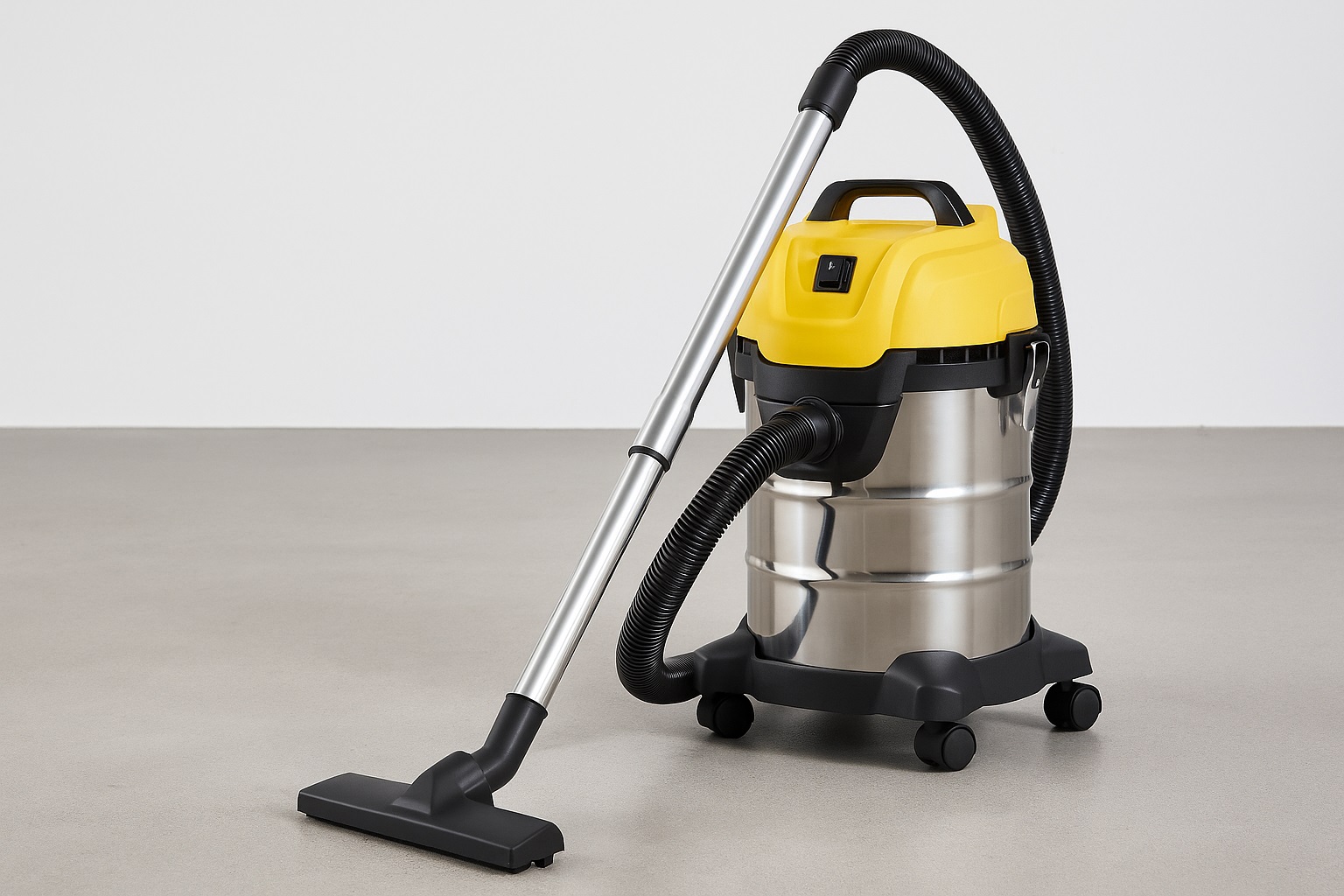
(Audience: EU & Middle East distributors + B2B buyers who want to improve fleet longevity and reduce downtime)
Barrel vacuum cleaners are designed to handle heavy-duty cleaning, but like any equipment, they require regular maintenance to stay in top working condition. Without the right care, even the best vacuums can suffer from decreased suction, overheating, and premature wear on crucial parts. This guide gives you a practical maintenance routine for barrel vacuums that minimizes downtime, reduces service calls, and extends the life of the equipment.
These tips will also show you when to deploy complementary formats like Upright Vacuum Cleaners, Household Vacuum Cleaners, Multi-Functional Durable Vacuum Cleaners, Quiet Vacuum Cleaners, and Wet and Dry Vacuum Cleaners in order to maximize overall fleet efficiency.
One、🧠 Daily Maintenance: The 5-Minute SOP That Prevents Major Failures
For most barrel vacuums, small daily actions are the key to preventing major breakdowns. Start each shift with a 5-minute checklist.
✅ 1) Empty the Drum
Don’t wait until it’s completely full—empty the drum when it reaches 70-80% capacity. Overfilling causes poor airflow and can stress the motor.
✅ 2) Check the Hose and Attachments
Inspect the hose for blockages, tangles, or signs of wear (cracks, bends).
Make sure all attachments are properly connected and clean.
✅ 3) Inspect the Filter
Clean pre-filters regularly to prevent dust buildup. For HEPA Filter Vacuum Cleaners, check that the HEPA filter is properly seated and not clogged.
Tip: Tap out the filter gently to release debris—don’t hit it too hard or it could tear.
✅ 4) Inspect Seals and Gaskets
Check that the lid seals tightly and that the gasket is in good condition. A small leak can drastically reduce suction power and put additional strain on the motor.
✅ 5) Cord and Plug Check
Ensure the cord is intact and not frayed or damaged. Replace the plug if it’s loose or has exposed wires.
Pro Tip: This 5-minute routine reduces the risk of sudden breakdowns and prevents dust, moisture, or wear from accumulating unnoticed.
Two、🧩 Weekly Maintenance: Check for Wear and Tear
Weekly maintenance should focus on wear-prone components like seals, filters, and brush rolls.
✅ 1) Clean the Brush Roll and Tools
Hair and debris can accumulate around the brush roll and tools, especially if you're using the vacuum in hair-heavy environments. Clean the brush weekly and check the tools for any buildup.
✅ 2) Check and Clean the Wheels
Check the wheels for any debris or damage. Clean the wheels to prevent them from becoming stiff or jammed. Replace any damaged wheels immediately.
✅ 3) Inspect the Filters
While you check the pre-filter daily, deep-clean the main filter weekly (if washable) or replace it according to manufacturer guidelines. This will help maintain strong suction and protect the motor.
Three、🧳 Monthly Maintenance: Deep-Clean and Replace Parts When Necessary
For longer-term durability, monthly maintenance is essential to keep your vacuum working like new.
✅ 1) Deep Clean the Entire Vacuum
Disassemble the vacuum (following manufacturer guidelines) and clean the internal components, including the motor casing. Be sure to clean the exhaust port and check the motor vents for dust buildup. A dust-free motor runs cooler and more efficiently.
✅ 2) Replace Worn Parts
Hoses: Inspect for cracks or wear, especially near joints. Replace any hoses that are damaged or losing suction.
Gaskets and Seals: Regularly inspect gaskets and seals for wear and replace them when they lose their elasticity or become brittle.
Brush Roll and Nozzles: If the brush roll or nozzle shows signs of significant wear, replace them to maintain cleaning efficiency.
✅ 3) Check the Suction Power
Suction test: Perform a quick suction test by removing the nozzle and checking airflow at the hose. If it’s weak, the filter may be clogged, or the motor may need attention.
Check that the vacuum is picking up debris as efficiently as it did when new.
Four、💧 Wet and Dry Vacuum Cleaner: Maintenance After Liquid Pickup
Wet and dry vacuums require special attention after using them in wet-mode, to avoid odor, rust, and corrosion.
✅ 1) Empty and Rinse Immediately
After using the vacuum to pick up liquid, empty the drum immediately to prevent rust and odor buildup.
✅ 2) Dry the Drum and Hose
Dry out the drum and hose completely after each wet task to prevent moisture from building up, which can cause corrosion.
✅ 3) Clean Wet-Specific Tools
Rinse the wet tools and let them air dry before storing them. Don’t store them damp as this can cause bacteria growth and unpleasant odors.
Five、🔇 Quiet Vacuum Cleaner: Maintenance for Noise Reduction
Quiet Vacuum Cleaners require special care to maintain their low noise output while ensuring long-term functionality.
✅ 1) Clean the Motor Vents
Dust buildup in the motor vents can increase noise levels and strain the motor. Clean these vents every week to ensure quiet and smooth operation.
✅ 2) Inspect for Vibration
Regularly check for unusual vibrations that could indicate a loose part. Tighten any screws or components that are loose to maintain quiet operation.
✅ 3) Check Noise Dampening Parts
Check any parts that help dampen noise (like rubber bumpers or insulation) for damage. Replace as necessary.
Six、🧳 Multi-Functional Durable Vacuum Cleaner: How to Maintain Attachments
Multi-functional vacuums often come with several attachments for various tasks, and maintaining these tools is crucial for optimal performance.
✅ 1) Clean and Maintain Attachments Regularly
Make sure attachments are clean, free from hair, debris, and dust. This ensures they perform at their best, preventing unnecessary strain on the motor.
✅ 2) Store Attachments Correctly
Store all attachments in a dedicated space to prevent them from becoming damaged or lost. Proper storage extends their lifespan.
✅ 3) Check for Blockages
Regularly check all tools for internal blockages. Clean out any obstructions that may affect airflow or performance.
Seven、🏠 Household Vacuum Cleaners: Avoid Cross-Contamination
If you're using your barrel vacuum in residential spaces or light-duty areas, ensure that you’re not mixing tasks inappropriately.
✅ 1) Use the Right Nozzle for the Job
Household vacuums are often used in quieter, smaller spaces, so make sure you’re using appropriate, soft-bristle tools to avoid damaging sensitive surfaces.
✅ 2) Regular Filter Maintenance
Keep filters clean and replace them regularly, especially if you're cleaning fine dust, allergens, or pet hair.
Conclusion
Barrel vacuum cleaners are a big investment, and their longevity depends on regular, consistent maintenance. From daily checks to monthly deep cleaning, these tips help keep your barrel vacuum in top condition, reducing breakdowns and improving overall performance. Additionally, coordinating with complementary machines like Upright Vacuum Cleaners, Household Vacuum Cleaners, Wet and Dry Vacuum Cleaners, and Portable Vacuum for Travel can reduce strain on barrel vacuums and extend overall fleet life. Efficient maintenance keeps your vacuum working like new and reduces the risk of warranty claims and downtime.
Hashtags
Lanxstar, Barrel Vacuum Cleaner, Vacuum Maintenance Tips, Filter Cleaning Routine, Pre-Filter Care, Wet Dry Vacuum Cleaner Maintenance, Household Vacuum Cleaners, Multi-Functional Durable Vacuum Cleaner, Quiet Vacuum Cleaner, HEPA Filter Vacuum Cleaner, Attachment Cleaning, Nozzle Maintenance, Airflow Management, Seal Gasket Care, Hose Replacement, Suction Efficiency, Motor Protection, Equipment Longevity, Maintenance SOP, Warranty Claim Prevention, After-Sales Support, Operator Training Kit, Commercial Cleaning Maintenance, Vacuum Fleet Management, B2B Vacuum Distributor, EU Janitorial Supply, Middle East Cleaning Solutions, Facility Management Supplies, Cleaning Contractor Support



