Hi, message us with any questions.
We're happy to help!





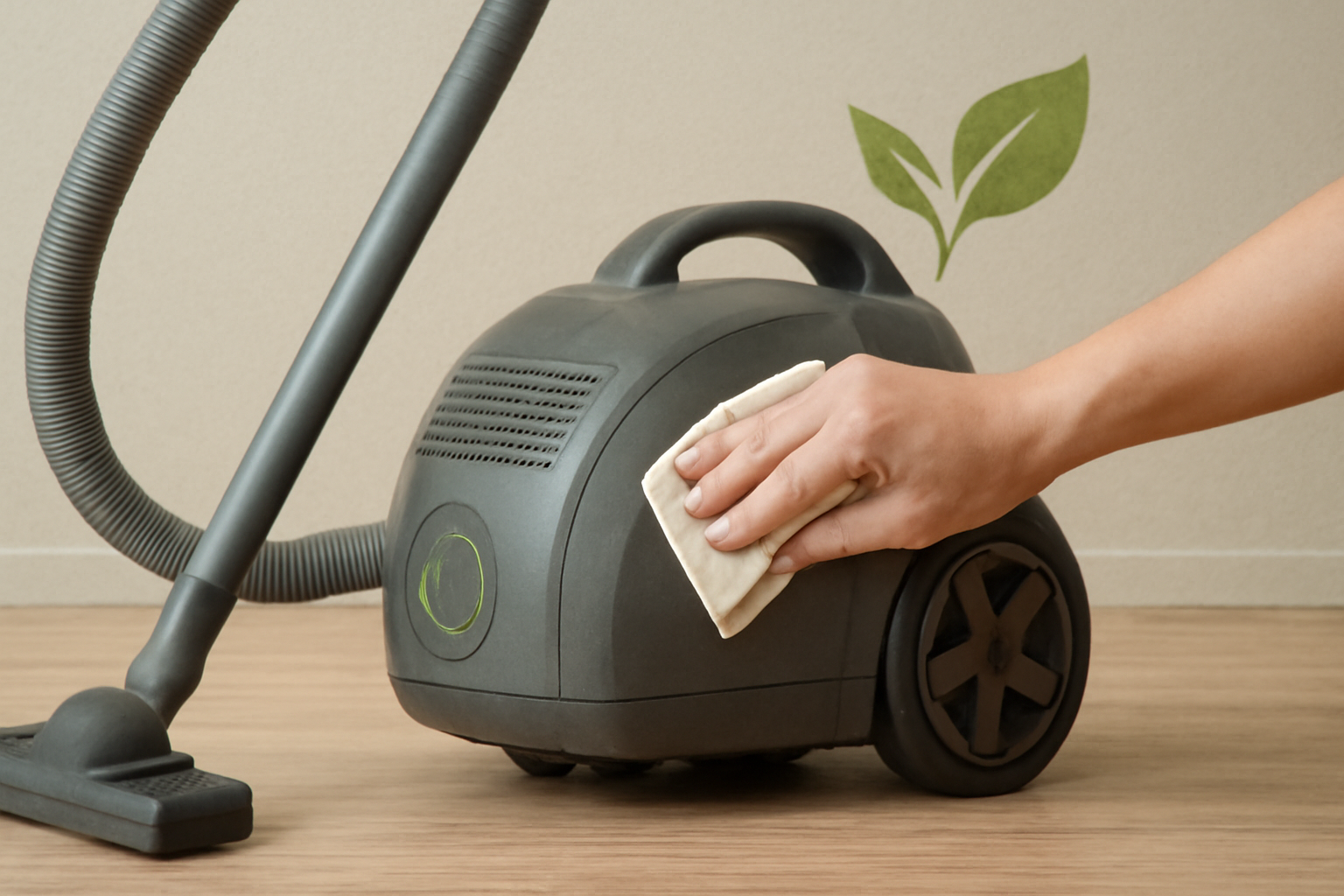
🎯 Target Audience: Cleaning Technicians, Maintenance Teams, and Sustainable Facility Managers (Europe & Middle East)
(Focus: Eco-friendly maintenance practices, waste reduction, and lifecycle extension of vacuum cleaners.)
🌿 1. Why Maintenance Is the Missing Link in Green Cleaning
Many companies focus on buying eco-friendly vacuum cleaners, yet overlook the fact that maintenance plays an equal role in sustainability.
Poorly maintained equipment wastes energy, shortens lifespan, and increases waste — undoing the benefits of sustainable design.
By applying the right maintenance habits, users can:
Extend product life by 30–50%
Cut carbon footprint per device
Reduce filter and component waste
Save thousands in replacement costs
In other words, how you maintain your vacuum determines how green it truly is.
⚙️ 2. 🧩 Principle #1: Choose Maintainable, Modular Designs
💡 Design Determines Longevity
Before maintenance even begins, select equipment designed for easy servicing.
Models like Multi-Functional Durable Vacuum Cleaners or Cordless Vacuum Cleaners with modular architecture allow quick part replacement without wasteful disposal.
Checklist for maintainability:
Detachable brush heads and filter chambers
Replaceable battery packs and motor cores
Screwed, not glued, assembly points (easy disassembly = easier recycling)
When equipment lasts longer, fewer units are manufactured, shipped, and scrapped — reducing lifecycle emissions by up to 40%.
🌬️ 3. 🌱 Principle #2: Clean Filters the Right Way
🚫 Avoid the “Wash Everything” Trap
While washable filters reduce waste, improper cleaning can release micro-particles into wastewater or shorten filter lifespan.
Best practices:
Tap out dust outdoors to avoid indoor contamination.
Rinse HEPA filters only if labeled “washable.”
Use low-pressure lukewarm water and let them air dry fully.
For HEPA Filter Vacuum Cleaners, replace filters every 6–12 months depending on usage.
Bonus tip: switch to Reusable HEPA Filters or self-cleaning filtration systems found in Wet and Dry Vacuum Cleaners — they minimize waste while maintaining high air quality.
🧠 4. ♻️ Principle #3: Handle Dust and Waste Responsibly
Emptying dust containers incorrectly can send fine particles back into the environment.
To prevent this:
Always dispose of debris in sealed compostable or recyclable liners.
Avoid shaking containers near air vents or open windows.
For industrial waste, use dedicated disposal points to comply with local environmental laws.
Many Upright Vacuum Cleaners and Household Vacuum Cleaners now feature dust compression chambers, reducing disposal frequency by up to 70%.
Less dust disposal = less plastic bag waste = smaller carbon footprint.
🔋 5. ⚡ Principle #4: Maintain Batteries Sustainably
Cordless models such as Portable Self-Cleaning Vacuum Cleaners or Wet and Dry Vacuum Cleaners rely on lithium-ion batteries — powerful but environmentally sensitive.
Sustainable battery care tips:
Keep charge between 20%–80% to extend life.
Avoid overcharging or deep discharge.
Recycle old batteries through certified programs (many EU and GCC cities offer e-waste centers).
Store batteries away from heat and direct sunlight.
When properly managed, a vacuum battery can last 500–700 charge cycles, cutting waste and cost simultaneously.
🔧 6. 🧰 Principle #5: Use Eco-Friendly Cleaning Products
Chemical residue buildup damages parts and pollutes water systems.
Instead, use biodegradable, non-toxic maintenance agents when cleaning hoses, filters, or dustbins.
Recommendations:
Use diluted vinegar or baking soda for odor removal.
Avoid alcohol or chlorine-based cleaners.
Wipe outer casings with plant-based surfactants to maintain shine without microplastic runoff.
Brands like Lanxstar even test material compatibility with green detergents, ensuring Eco-Friendly Vacuum Cleaners remain durable under eco-cleaning routines.
🧩 7. 🔄 Principle #6: Repair Instead of Replace
A well-structured maintenance program prioritizes repairability.
Thanks to modular engineering, modern Cordless Vacuum Cleaners and HEPA Filter Vacuum Cleaners can be repaired easily — motors, brushes, and filters are replaceable modules.
Why it matters:
Repairing a single vacuum saves 4–6 kg of plastic waste.
Reduces emissions from manufacturing and logistics.
Saves up to 60% compared to new unit costs.
Partnering with certified service providers or manufacturers offering repair kits ensures sustainable operation throughout the equipment’s lifecycle.
🌍 8. 🪶 Principle #7: Implement a Maintenance Log System
Smart cleaning teams track maintenance the same way they track energy usage.
Digital tools or spreadsheets can help:
Log filter cleanings, battery replacements, and part changes.
Identify patterns — e.g., frequent blockages may indicate improper use.
Optimize spare part ordering to minimize overstocking or waste.
Some Smart Cleaning Devices now integrate IoT tracking, alerting managers when a filter is clogged or a motor overheats — combining sustainability with operational intelligence.
🧭 9. 🌏 Principle #8: Responsible End-of-Life Management
When vacuums reach the end of their usable life, responsible disposal is essential.
Steps to follow:
Separate components (plastic, metal, electronics).
Deliver parts to certified recycling centers.
Retain documentation for ESG reporting.
Manufacturers like Lanxstar operate product take-back programs, ensuring zero-landfill policy through recycling and material recovery — completing the circular economy cycle.
💡 Conclusion
Maintaining a vacuum cleaner responsibly is as important as designing it sustainably.
Every cleaned filter, repaired module, and recycled component contributes to reducing waste, conserving energy, and protecting our planet.
By applying these eco-friendly maintenance principles, businesses extend the lifespan of their Multi-Functional Durable Vacuum Cleaners, Cordless Vacuums, and HEPA Filter Vacuum Cleaners — proving that true sustainability lives in everyday habits, not just product labels.
📌 Hashtags
Upright Vacuum Cleaners, Household Vacuum Cleaners, Multi-Functional Durable Vacuum Cleaner, Cordless Vacuum Cleaner, HEPA Filter Vacuum Cleaner, Wet and Dry Vacuum Cleaner, Eco-Friendly Vacuum Cleaner, Sustainable Cleaning Equipment, Portable Self-Cleaning Vacuum Cleaner, Energy-Saving Efficient Powerful Vacuum Cleaner, Reusable HEPA Filter, Smart Cleaning Devices, Low-Energy Cleaning Tools, Sustainable Maintenance Practices, Green Technology, Sustainable Product Design, Circular Economy Equipment, Modular Vacuum Design, Battery Recycling, Eco-Friendly Filter Cleaning, Recyclable Components, Repairable Vacuum Cleaner, Smart Maintenance System, Sustainable Operations, Facility Cleaning Equipment, Low Noise Vacuum Cleaner, Portable Vacuum for Travel, Smart Battery Management, Sustainable Facility Management, Carbon Reduction Equipment, Energy Optimization, Recyclable Vacuum Housing, ESG-Compliant Cleaning Tools, Eco Label Certified Equipment, Environmental Compliance, Zero Waste Cleaning, Smart Cleaning System, Long-Life Vacuum Cleaner, Indoor Air Quality Equipment, Sustainable Innovation, Green Facility Maintenance, Responsible Disposal Program, Eco-Friendly Parts Replacement, Smart IoT Maintenance, Recyclable Filters, Sustainable Engineering, Lanxstar