Hi, message us with any questions.
We're happy to help!





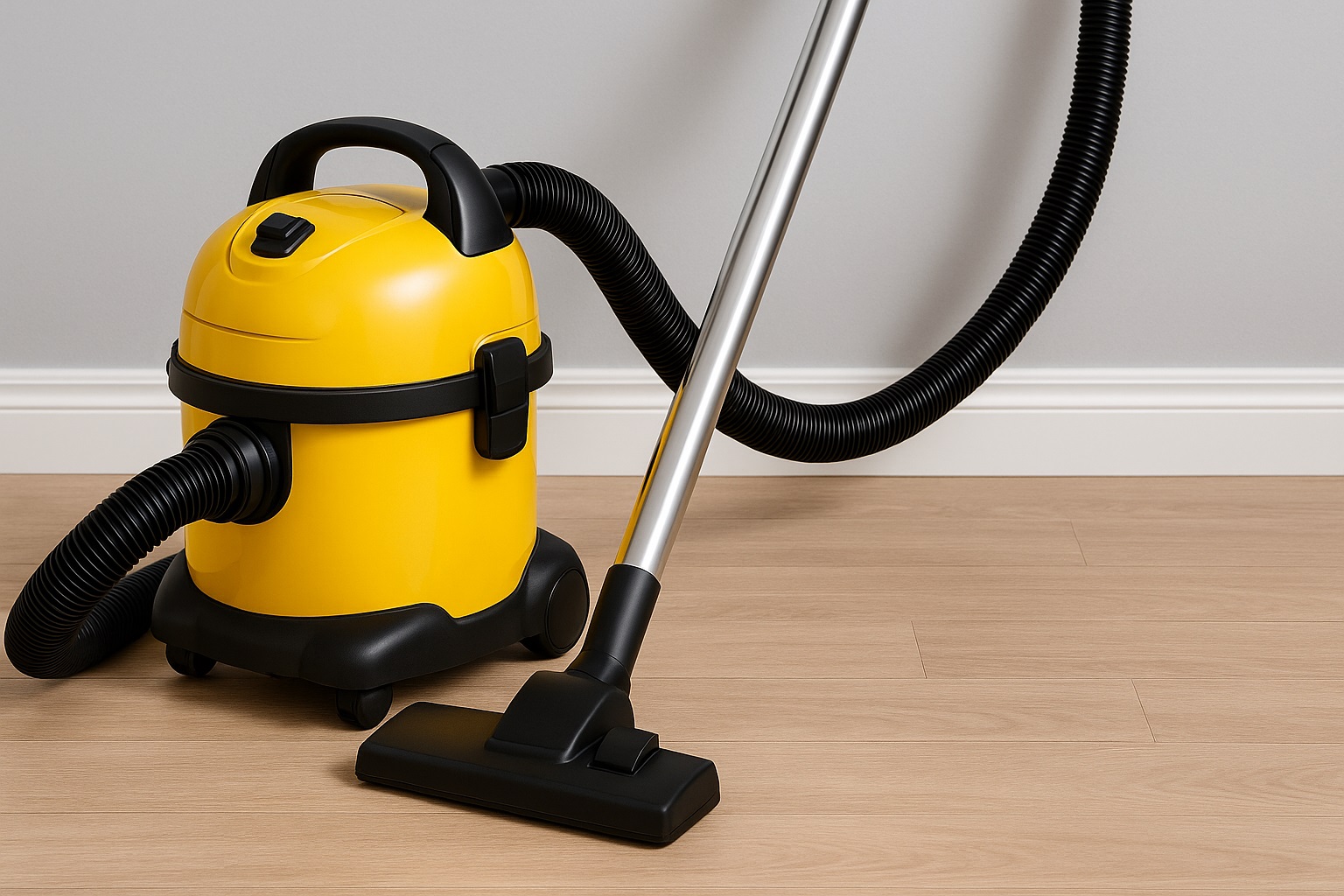
Written for: Vacuum Cleaner Distributors in Europe & the Middle East
Property cleaning companies—whether serving office buildings, residential complexes, or hospitality environments—are under constant pressure to balance service quality with cost control. Among the highest operational costs for these companies is maintenance—a significant burden resulting from frequent equipment repairs, short lifespans, and high energy consumption.
To reduce these costs, cleaning contractors need to focus on a few key metrics that directly influence the longevity and performance of their cleaning equipment. In particular, vacuum cleaners play a central role. As the industry increasingly adopts Energy-Saving Efficient Powerful Vacuum Cleaner technology and HEPA Filter Vacuum Cleaner models, understanding these key metrics can make all the difference in cutting long-term costs and improving cleaning efficiency.
This article breaks down five critical metrics that every property cleaning operation should monitor to lower maintenance and equipment costs.
🔧 Metric 1: Motor Durability and Heat Management
The heart of any vacuum cleaner is its motor. Unfortunately, Upright Vacuum Cleaners and Household Vacuum Cleaners are prone to motor wear due to overheating and consistent use under commercial conditions.
Why motor durability matters:
Overheating: As vacuums run for extended periods, heat can degrade motor components and lead to failures.
Constant use: Frequent operation with higher dust loads increases friction, which shortens motor life.
How to reduce motor-related maintenance costs:
Energy-Saving Efficient Powerful Vacuum Cleaner models feature optimized motors with better heat dissipation, reducing the risk of overheating.
Larger motor housing: Canister vacuums with larger, more efficient motors can maintain performance without excessive heat buildup.
Variable speed settings: Some models come with adjustable motor speeds to reduce wear during low-intensity cleaning.
Result:
Using energy-efficient motors and optimizing airflow will extend motor life by 30–40%, reducing repair and replacement costs.
🔋 Metric 2: Power Consumption and Energy Efficiency
Property cleaning often involves large spaces, with vacuums running for hours a day. Energy-hungry vacuum models—especially older Household Vacuum Cleaners or Upright Vacuum Cleaners—can cause significant spikes in energy costs, leading to unnecessary overheads.
Why energy efficiency matters:
High energy consumption increases operational costs and damages the environment.
Inefficient suction means vacuums work harder, consuming more power for the same result.
How to reduce energy-related maintenance costs:
Energy-Saving Efficient Powerful Vacuum Cleaners: These vacuums are designed with low-energy motors that maintain powerful suction while consuming less power.
Cordless Vacuum Cleaners: Many cordless models have adopted advanced battery technology that reduces overall power consumption while maintaining longer battery life.
Result:
Upgrading to energy-efficient systems can reduce energy costs by 15–20% annually, while preventing motor burnouts caused by unnecessary power loads.
💨 Metric 3: Airflow and Suction Consistency
One of the most common reasons for vacuum breakdowns is a reduction in suction power. Clogs, inefficient airflow design, and poor filtration can all cause vacuums to lose suction, resulting in longer cleaning times, increased wear on the motor, and more frequent repairs.
How to reduce airflow-related maintenance costs:
HEPA Filter Vacuum Cleaners improve airflow by preventing dust buildup in filters and ensuring consistent suction across long duty cycles.
Multi-stage filtration systems: Systems that prevent clogs by trapping fine particles and providing a constant airflow.
Larger dust containers: The larger the dust chamber or collection bin, the less often it needs to be emptied, preventing the buildup of debris that might block airflow.
Result:
Improved airflow management extends the lifespan of the motor and reduces clogging-related maintenance by 25–30%.
🧹 Metric 4: Filter Life and Maintenance
Filters are crucial for HEPA Filter Vacuum Cleaners—especially in environments requiring high cleanliness standards (hospitals, offices, etc.). Over time, filters can clog, reducing suction and increasing maintenance needs.
Why filter maintenance is crucial:
Clogged filters require cleaning or replacement, which incurs extra labor costs.
Air quality can degrade when filters are not regularly maintained, leading to reduced effectiveness and poor indoor air quality.
How to reduce filter maintenance costs:
Reusable filters: Some Wet and Dry Vacuum Cleaners and canister models come with washable filters, saving on the need for frequent replacements.
Larger filters: Larger filters catch more debris, extending the period between cleaning.
Self-cleaning systems: Some high-end Portable Self-Cleaning Vacuum Cleaners automatically clean their filters during use, reducing the need for manual maintenance.
Result:
Regular maintenance and high-quality filters can extend the filter life by 50% and reduce overall maintenance costs by 10–15%.
⚙️ Metric 5: Build Quality and Component Durability
Vacuum cleaners are subjected to heavy wear and tear in commercial environments. Constant movement, exposure to dust, and physical impacts can cause parts to break down, including wheels, hoses, and motor mounts.
Why build quality impacts long-term costs:
Cheaper materials lead to frequent breakages, increasing part replacement costs.
Fragile components add to repair downtime.
How to reduce component-related maintenance costs:
Durable housing and parts: Canister vacuums often feature stronger construction, including reinforced wheels, durable hoses, and impact-resistant plastic.
Modular design: Some vacuums come with replaceable parts that allow for quick repairs without replacing the entire unit.
Result:
Better build quality can extend the overall lifespan of a vacuum by 30%, significantly lowering part replacement and repair costs.
📌 Conclusion: How to Cut 30–40% in Maintenance Costs by Upgrading to Canister Vacuums
When properly maintained, modern canister vacuums, especially those designed as Energy-Saving Efficient Powerful Vacuum Cleaner systems, can drastically reduce long-term maintenance expenses. Key metrics—motor durability, energy efficiency, airflow consistency, filter longevity, and component durability—are critical for reducing operational downtime and minimizing repair costs.
Summary of savings:
Motor durability: +30–40% lifespan
Energy efficiency: -15–20% energy costs
Airflow and suction consistency: -25–30% repair costs
Filter maintenance: -10–15% costs
Build quality: +30% overall lifespan
For vacuum cleaner distributors targeting B2B clients in Europe and the Middle East, this presents a compelling sales case: canister vacuums not only provide superior cleaning performance but also save significant maintenance costs over their lifecycle.
🎯 Suitable for Readers
B2B vacuum cleaner distributors (EU & Middle East)
Facility managers and contractors
Product engineers in vacuum cleaner design
Commercial cleaning companies
Property maintenance teams
📌 Hashtags
Upright Vacuum Cleaners, Household Vacuum Cleaners, Energy-Saving Efficient Powerful Vacuum Cleaner, Cordless Vacuum Cleaner, HEPA Filter Vacuum Cleaner, Apartment Vacuum Cleaner, commercial vacuum cleaner, industrial vacuum cleaner, canister vacuum 2025, motor efficiency vacuum, energy-saving vacuum systems, vacuum cleaner maintenance, durable vacuum cleaner, professional cleaning equipment, long-duty cycle vacuum, cleaning system upgrades, filter life extension, modular vacuum design, suction stability vacuum, quiet commercial vacuum, high-performance cleaning tools, long lifespan vacuum, cleaning productivity vacuum, multi-surface vacuum cleaner, wet-dry vacuum systems, vacuum cleaner OEM, vacuum cleaner ODM, office cleaning solutions, cleaning cost reduction tools, ergonomic vacuum cleaner, dust-resistant vacuum cleaner, impact-resistant cleaning equipment, vacuum durability metrics, air quality vacuum cleaner, reduced maintenance vacuum, high-suction vacuum, workplace cleaning systems, indoor air filtration vacuum, facility management tools, low-maintenance vacuum cleaner, quiet floor cleaner, energy-efficient cleaning device, commercial property vacuuming, residential cleaning solution, sustainable cleaning technology, self-cleaning vacuum system, HEPA-grade filtration system, Lanxstar



