Hi, message us with any questions.
We're happy to help!





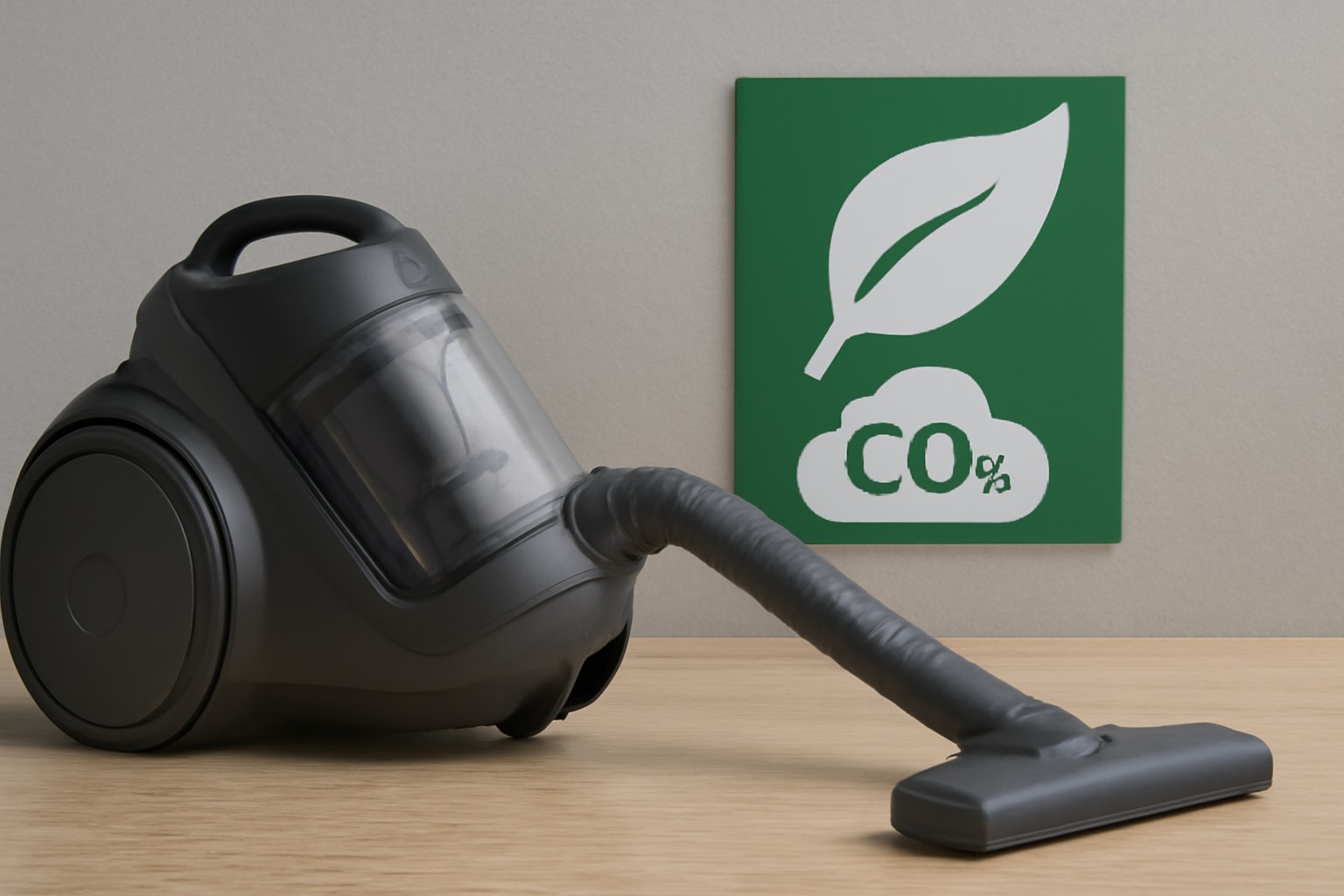
In today’s environmentally conscious world, reducing energy consumption and carbon emissions is more important than ever. Vacuum cleaners, essential tools in homes and businesses, are no exception to this trend. With advancements in motor technology, modern vacuums are now more energy-efficient than ever, helping to lower electricity usage and reduce their carbon footprint.
This article explores how vacuum motors are evolving to achieve energy efficiency and sustainability by incorporating new technologies that minimize power consumption and decrease greenhouse gas emissions. From brushless motors to smart energy management systems, the innovations in vacuum motor design are making a significant impact on both performance and the environment.
1. Energy-Efficient Motor Designs: A Key to Sustainable Cleaning
The shift towards energy-efficient vacuum motors has been one of the most significant changes in the industry. Unlike traditional motors, which often waste power through friction and heat, modern high-efficiency motors are designed to convert more electrical energy into suction power with less waste.
How Energy-Efficient Motors Work:
Brushless DC motors (BLDC): These motors have no brushes that create friction, reducing energy loss and improving efficiency.
Improved electromagnetic design: New motor designs focus on reducing resistance, allowing for more efficient power transfer.
Compact motor systems: Smaller motors with advanced components are able to deliver more suction power with less energy.
By reducing the energy required to operate the motor, these innovations help vacuums run longer while consuming less power, ultimately lowering carbon emissions associated with energy generation.
Example Model:
Lanxstar’s Energy-Efficient Vacuum Cleaner uses a brushless DC motor to deliver high suction power while consuming significantly less energy, helping reduce overall environmental impact.
2. Smart Motor Systems and Automatic Energy Regulation
As vacuum cleaner technology becomes smarter, the integration of intelligent motor systems allows for automatic energy regulation, further improving energy efficiency. These systems adjust the motor’s power output based on the cleaning task, optimizing suction performance while minimizing unnecessary energy consumption.
Key Features of Smart Energy Regulation:
Floor-type detection: The motor automatically adjusts suction based on the type of flooring, using less power on smooth surfaces and ramping up for carpets.
Dirt detection: When the vacuum detects more dirt in an area, it increases suction to clean more effectively, but it reduces power once the area is clean.
Battery optimization: For cordless vacuums, smart systems can balance motor performance with battery power, extending runtime while ensuring optimal cleaning.
These energy-saving features contribute to lower electricity consumption and a reduced carbon footprint.
Example Model:
Lanxstar’s Smart Cordless Vacuum Cleaner features automated energy regulation, allowing it to conserve battery life and reduce energy usage without sacrificing suction power.
3. Regenerative Energy and Advanced Battery Systems
Regenerative energy systems and advanced battery technologies are also playing a role in reducing energy consumption and emissions. In cordless vacuum cleaners, regenerative systems can store excess energy created during operation, which can be used later to power the vacuum or recharge the battery.
Regenerative Energy Technology:
Energy recovery: Some vacuums capture kinetic energy generated by the motor and use it to recharge the battery during operation, helping to extend battery life.
Fast-charging batteries: Modern batteries, such as lithium-ion (Li-ion), charge faster and last longer, reducing the frequency of recharges and extending the lifespan of the vacuum motor.
Optimized power distribution: Battery management systems (BMS) ensure that power is used efficiently, reducing waste and extending runtime.
These advancements in battery technology further enhance the sustainability of vacuum cleaners, ensuring they use less power and emit fewer greenhouse gases.
Example Model:
Lanxstar’s Li-ion Cordless Vacuum Cleaner features regenerative energy technology, which improves battery efficiency and extends operating time while consuming less power overall.
4. Eco-Friendly Materials in Motor Design
Sustainability isn’t just about energy consumption—it also involves the materials used in vacuum motor construction. Eco-friendly materials are being integrated into both the motor and the vacuum body, further enhancing the sustainability of the product.
Sustainable Motor Materials:
Recyclable components: Future vacuum motors will incorporate recyclable metals and plastics, reducing the amount of electronic waste generated.
Biodegradable components: Manufacturers are exploring biodegradable materials that can be used in vacuum motor construction, contributing to a circular economy.
Energy-efficient insulation: Using non-toxic, recyclable insulation materials helps ensure that vacuums are both effective and environmentally friendly.
These materials not only reduce the environmental impact during production but also ensure that the vacuum cleaner itself is more sustainable over its entire lifecycle.
Example Model:
Lanxstar’s Eco-Friendly Vacuum Cleaner uses recyclable motor components and sustainable materials to help reduce waste and minimize carbon emissions.
5. Long-Term Sustainability: Reducing Waste and Carbon Footprint
Reducing waste and carbon emissions is essential to achieving long-term sustainability. The advancements in vacuum motor technology contribute to this goal by ensuring that vacuums last longer and require less frequent replacements.
How Long-Lasting Motors Benefit the Environment:
Durability: High-quality motors are designed to last longer, reducing the frequency of motor replacements and minimizing the waste generated by discarded vacuums.
Lower carbon footprint: Because these vacuums are more efficient and use less energy, they contribute to a lower carbon footprint over time, especially when used in commercial cleaning environments.
Reduced electronic waste: Fewer replacements and longer lifespans result in less electronic waste, which is beneficial for the environment.
By choosing vacuums with durable, energy-efficient motors, consumers and businesses can reduce their overall environmental impact.
Example Model:
Lanxstar’s Long-Life Commercial Vacuum Cleaner is designed to reduce waste, with a high-durability motor that ensures long-term use with minimal environmental impact.
6. Global Impact: How Vacuum Motors Are Shaping Sustainable Cleaning
The role of vacuum motors in sustainable cleaning goes beyond individual purchases; it extends to the larger cleaning industry. As demand for energy-efficient and eco-friendly products grows, vacuum manufacturers are under increasing pressure to reduce the carbon emissions associated with their products.
Industry-wide Sustainability Goals:
Energy-efficient standards: Governments and environmental agencies are implementing energy-efficient standards for appliances, including vacuums, to reduce electricity consumption and emissions.
Green certification programs: Many vacuum brands now pursue green certifications such as Energy Star, indicating that their products meet high environmental standards.
Corporate responsibility: Companies are committing to reducing their carbon footprint through energy-efficient production processes and sustainable supply chains.
The vacuum cleaner industry’s shift toward eco-friendly technology will help reduce global energy consumption and carbon emissions, making the cleaning industry part of the solution to climate change.
Conclusion
Vacuum motors play a pivotal role in reducing energy consumption and carbon emissions, not just through their efficient design but also by incorporating sustainable materials and technologies. By adopting high-performance motors, smart energy management, and eco-friendly components, modern vacuums are becoming more sustainable, benefiting both consumers and the planet. The ongoing development of energy-efficient and low-carbon technologies ensures that vacuums will continue to contribute to environmental sustainability while delivering excellent cleaning results.
For more information on sustainable vacuum solutions, visit www.lxvacuum.com.
Target Audience
Environmentally-conscious consumers
Commercial cleaning service providers
Manufacturers and engineers in the vacuum industry
Sustainability advocates and eco-conscious businesses
Facility managers and building maintenance professionals
Related Keywords (50 Groups)
Vacuum Motors, Reduce Energy Consumption, Carbon Emissions, Energy-Efficient Vacuum Motors, Sustainable Vacuum Cleaners, Eco-Friendly Vacuum Technology, Low Power Vacuum Motors, Green Cleaning Solutions, Energy-Saving Vacuum, Vacuum Motor Innovations, Sustainable Cleaning Products, Brushless DC Motors, Smart Vacuum Motor Control, Eco-Friendly Vacuum Design, Long-Life Vacuum Motors, Low Carbon Vacuum Technology, Vacuum Battery Efficiency, Smart Energy Management Vacuum, Regenerative Energy Vacuum, Cordless Vacuum Efficiency, Vacuum Motor Heat Management, Recyclable Vacuum Motor Materials, High-Efficiency Vacuum Motors, Commercial Vacuum Efficiency, Lithium-Ion Vacuum Battery, Energy Efficient Vacuum Systems, Sustainable Household Appliances, Quiet Energy-Saving Vacuum, High-Torque Vacuum Motor, Carbon Neutral Vacuum Cleaner, Eco-Conscious Cleaning, Low Emission Vacuum Cleaner, Renewable Energy Vacuum, Smart Suction Control Vacuum, Sustainable Motor Materials, Energy-Efficient Commercial Vacuums, Eco-Friendly Cleaning Solutions, Energy-Saving Robotic Vacuum, Green Certification Vacuums, Low-Carbon Vacuum Solutions, Multi-Surface Energy-Efficient Vacuum, Intelligent Battery Power Management, Low-Voltage Vacuum Motor, Efficient Commercial Cleaning Equipment, Eco-Friendly Home Cleaning Products, Vacuum Cleaner Performance Optimization, Sustainable Motor Technology, Green Household Appliances, Carbon Footprint Reduction in Vacuums.



