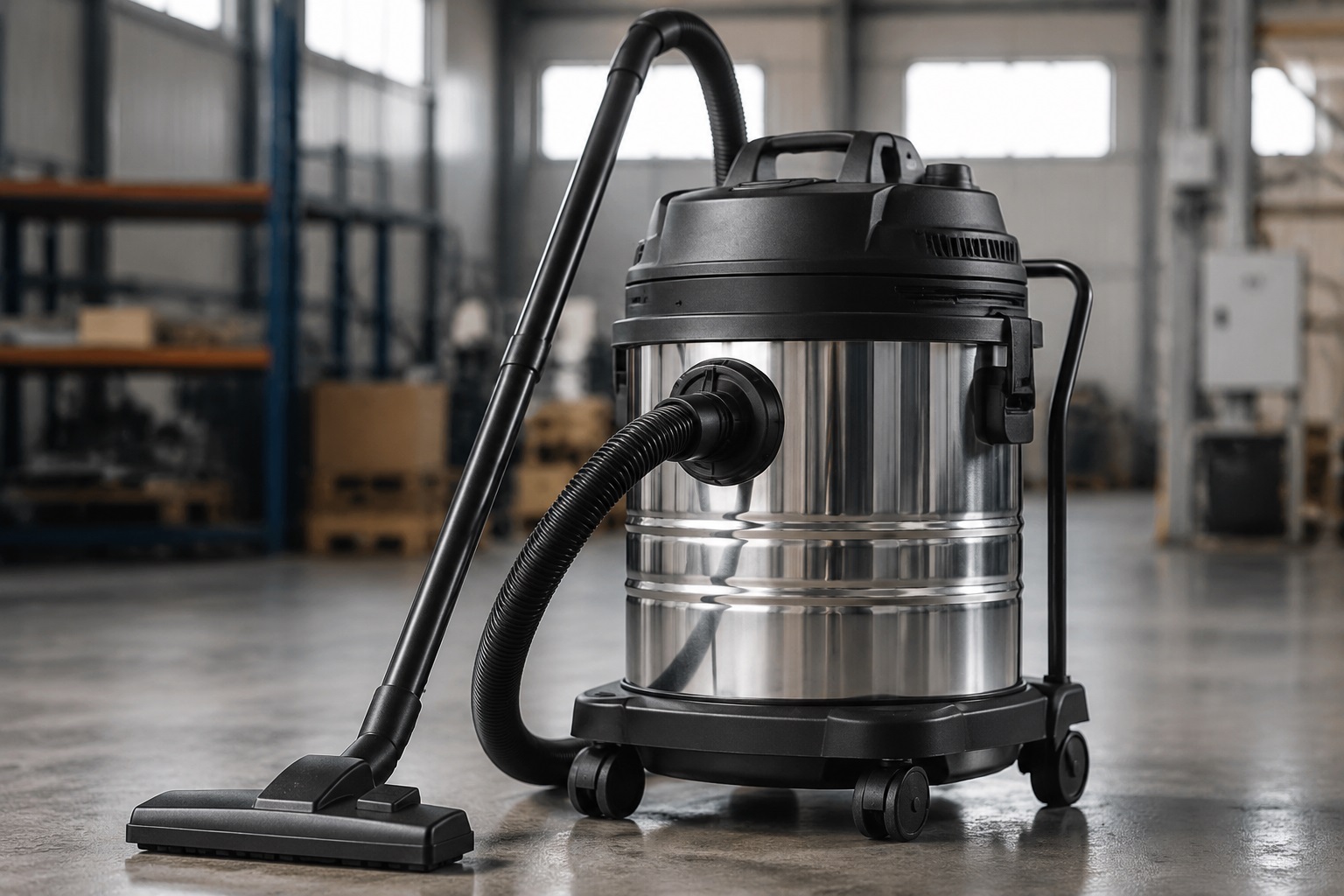
Motor overheating is one of the most common issues faced by heavy-duty vacuum cleaners. Overheating can significantly reduce the vacuum’s performance and longevity. By following a few key practices, you can prevent motor overheating, maintain your vacuum cleaner's efficiency, and extend its lifespan. 🔧✨
1. Regular Maintenance and Cleaning
To prevent overheating, it’s crucial to keep your vacuum cleaner well-maintained. Dust, debris, and dirt can clog the motor and internal components, leading to heat buildup. Regularly inspect the motor and clean the components to ensure they are free of obstructions. Additionally, replace worn-out parts as necessary to ensure smooth operation. 🧼🔍
2. Check and Clean the Air Vents and Filters
Over time, air vents and filters can become clogged with dirt and debris, which restricts airflow and causes the motor to overheat. Make sure to regularly clean the air vents and change or clean the filters as recommended by the manufacturer. Using high-quality filters like HEPA filters can also enhance airflow and reduce the risk of overheating. 🌬️🧹
3. Ensure Proper Ventilation
Your vacuum cleaner needs to be operated in a well-ventilated area. If it is used in a cramped space with limited airflow, the motor may overheat due to a lack of cooling. Ensure that the vacuum is placed in an area where air can circulate freely, helping the motor stay cool during use. 🌬️🏭
4. Avoid Overloading the Vacuum
Overloading the vacuum cleaner with debris can put a strain on the motor, causing it to overheat. Always adhere to the manufacturer's recommendations for the amount of debris the vacuum can handle. Empty the vacuum's dust container regularly to prevent overload and improve airflow. 🚧🗑️
5. Use the Correct Power Source
Connecting the vacuum cleaner to an improper power source can affect its motor. Using a power source with an incorrect voltage can either cause overheating (if the voltage is too high) or underperformance (if the voltage is too low). Always ensure you are using a power source that matches the vacuum's power requirements to avoid motor strain. ⚡🔌
6. Monitor Motor Temperature
Some heavy-duty vacuums come equipped with built-in temperature monitoring systems that shut off the motor when it reaches an unsafe temperature. If your vacuum lacks this feature, consider installing a temperature gauge to monitor the motor during operation. If the motor overheats, allow it to cool down before continuing to use it. 🌡️📏
7. Upgrade to a Vacuum with Overheat Protection
Many modern industrial vacuums are equipped with overheat protection systems, which automatically shut off the motor if it exceeds a certain temperature. If you're using an older model or vacuum without this feature, consider upgrading to one that offers this added protection. This will help prevent overheating and extend the life of your vacuum. 🔄⚙️
Conclusion
Preventing motor overheating is essential for maintaining the performance and lifespan of your heavy-duty vacuum cleaner. Regular maintenance, proper ventilation, and using the vacuum according to the manufacturer's guidelines can significantly reduce the risk of overheating. By following these tips, you can keep your vacuum cleaner running efficiently, saving you both time and money on repairs. 🏆
Related Keywords:
Heavy-duty vacuum cleaners, Motor overheating prevention, Vacuum motor maintenance, Vacuum cleaner performance, Industrial vacuum cleaner protection, Vacuum cleaner lifespan, Vacuum cleaner troubleshooting, Cooling systems, 🧹 Vacuum cleaner tips, 🛠️ Industrial vacuum maintenance, High-capacity vacuums, 💡 Vacuum motor cooling, Commercial vacuum solutions, Vacuum efficiency, Overheating prevention, High suction vacuum, Vacuum motor care, 🏭 Factory vacuum solutions, Dust removal, Industrial cleaning tips, Wet-dry vacuum benefits, Powerful vacuum cleaners, Vacuum filter maintenance, Vacuum cleaner air flow, Industrial cleaning challenges, Commercial vacuum efficiency, Air vent maintenance, Vacuum cleaner temperature control, Long-lasting vacuum cleaners, Industrial vacuum tips, Vacuum cleaner protection, Overheating protection systems, Vacuum performance boost, Vacuum cleaner cooling system, Energy-saving vacuum options, Vacuum motor life extension, Cleaning solutions for factories, Heavy-duty vacuum features, Overload prevention tips, Commercial vacuum reviews, Vacuum performance issues, Vacuum cleaning equipment, Effective vacuum motor care, Factory vacuum systems, High-capacity industrial vacuums, Vacuum filtration upgrades, 🛠️ Vacuum repairs, Vacuum cleaner troubleshooting guide, Vacuum maintenance checklist.