Hi, message us with any questions.
We're happy to help!





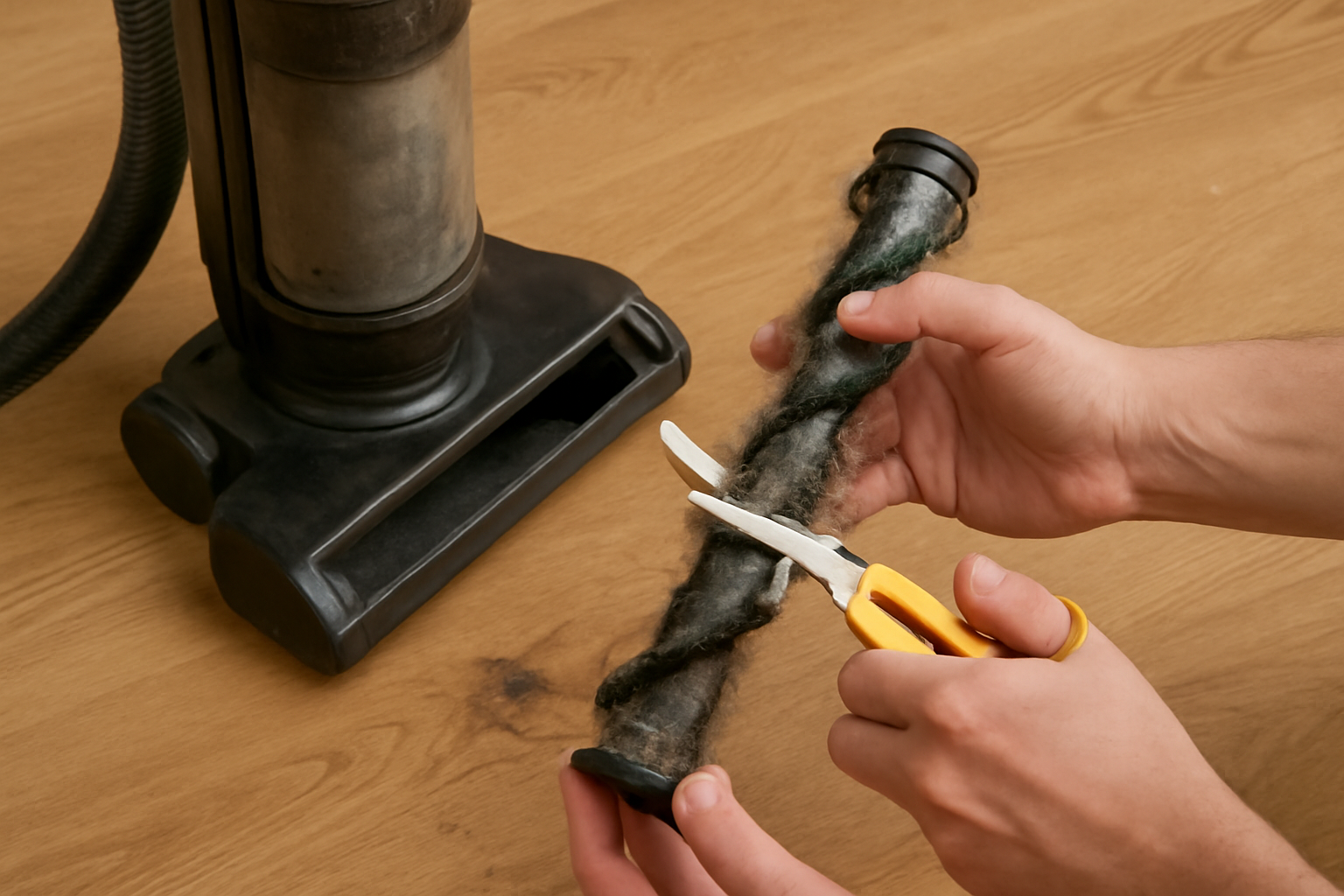
The brush roll is one of the most essential components of a vacuum cleaner. Whether you have a Household Vacuum Cleaner, a High Suction Vacuum Cleaner, or a Portable Self-Cleaning Vacuum Cleaner, the brush roll helps agitate dirt, dust, and debris from carpets and hard floors, making it easier for your vacuum to pick up particles. Over time, however, hair, string, and debris can become tangled in the brush roll, reducing suction and cleaning efficiency.
In this step-by-step guide, we will walk you through the process of cleaning the brush roll of your vacuum cleaner, ensuring that your Wet Dry Vacuum Cleaner, Energy-Saving Efficient Powerful Vacuum Cleaner, or Multi-Functional Durable Vacuum Cleaner performs at its best.
💡 Why Cleaning the Brush Roll Is Essential
The brush roll in your vacuum plays a vital role in ensuring your vacuum performs well, especially for High Suction Vacuum Cleaners. If it’s clogged with debris or tangled hair, it won’t spin properly, reducing the vacuum's efficiency. Here are the reasons why cleaning the brush roll regularly is crucial:
Maintains Suction Power: A clean brush roll helps your vacuum maintain strong suction, as it prevents clogs that can obstruct airflow.
Improves Cleaning Efficiency: The brush roll is designed to agitate dirt and debris from carpets, so keeping it clean ensures effective cleaning.
Extends Vacuum Life: Regular cleaning prevents the motor from overworking and potentially burning out due to strain caused by tangled debris.
Prevents Damage to Flooring: A tangled brush roll can drag debris around, potentially scratching floors or damaging carpet fibers.
🔧 Step 1: Turn Off the Vacuum and Unplug It
Before you begin cleaning the brush roll, make sure to turn off the vacuum and unplug it from the power source. Safety is the top priority. Removing the power source ensures that you won't accidentally start the vacuum while working on it.
🔧 Step 2: Locate and Remove the Brush Roll
The next step is to locate the brush roll. For most Household Vacuum Cleaners and Wet Dry Vacuum Cleaners, the brush roll is usually located under the main vacuum head or nozzle.
For upright vacuums: Lay the vacuum down on its side and locate the brush roll. It’s typically housed inside a rectangular or circular cover.
For Portable Self-Cleaning Vacuum Cleaners or smaller models: You may need to remove a cover or open a compartment to access the brush roll.
Once you’ve located the brush roll, you’ll need to remove it for cleaning. Most vacuum cleaners have a clutch or latch system to release the brush roll. Simply follow the manufacturer’s instructions to remove it carefully.
🔧 Step 3: Remove Tangled Hair and Debris
Once the brush roll is removed, the next task is to clean it. Check for tangled hair, string, or other debris that could be wrapped around the brush. Use a pair of scissors to carefully cut through any hair or string that’s wound around the bristles.
**For High Suction Vacuum Cleaners: Hair can quickly clog the brush roll, so take extra care to remove every strand.
**For Wet Dry Vacuum Cleaners: Wet debris can get stuck to the brush roll, so make sure to remove any clumps of dirt or debris that may have dried on the roller.
🔧 Step 4: Clean the Brush Roll Bristles
After removing any tangles, it’s time to clean the bristles. Use a soft brush (such as an old toothbrush) or a cloth to remove any remaining dirt or dust stuck to the bristles. For Energy-Saving Efficient Powerful Vacuum Cleaners, it's especially important to keep the bristles clean for maximum cleaning performance.
Tip: If you notice stubborn dirt stuck to the bristles, you can rinse the brush roll under warm water (make sure it’s completely dry before reinstalling). For non-waterproof models, avoid soaking the brush roll.
🔧 Step 5: Clean the Brush Roll Housing
While the brush roll is removed, it's a good idea to clean the area where the brush roll is housed. Over time, dust and debris can accumulate in the housing, affecting the vacuum’s suction and causing strain on the motor. Use a vacuum cleaner attachment, compressed air, or a cloth to wipe down the inside of the housing where the brush roll sits.
**For Multi-Functional Durable Vacuum Cleaners: Regularly cleaning the housing area ensures the vacuum runs smoothly without clogging.
🔧 Step 6: Reinstall the Brush Roll
Once the brush roll is completely clean and dry, it’s time to reinstall it back into the vacuum. Carefully slide the brush roll back into its housing, ensuring it’s positioned correctly. Lock it into place according to your vacuum’s instructions, ensuring it’s secure.
**For Portable Self-Cleaning Vacuum Cleaners: Make sure the brush roll is firmly reinstalled before using the vacuum again.
🔧 Step 7: Test the Vacuum
Finally, plug the vacuum back in, turn it on, and run it for a quick test on the floor. Check that the brush roll is spinning freely and that the vacuum is operating at full suction. If you notice any unusual noises or a decrease in suction, repeat the cleaning process and make sure the brush roll is properly installed.
💡 Tips for Maintaining a Clean Brush Roll
Regularly Check for Tangled Hair: Depending on the frequency of use, it’s a good idea to inspect the brush roll for tangles every few weeks, especially if you have pets or long hair.
Don’t Overload the Vacuum: Avoid picking up large objects like pieces of string or small toys, as they can quickly become tangled in the brush roll.
Use the Right Attachments: If your vacuum comes with specialized attachments, use them for cleaning delicate floors like hardwood or tile, reducing wear and tear on the brush roll.
💡 Conclusion: Keep Your Vacuum Cleaner Running at Its Best
Cleaning the brush roll of your High Suction Vacuum Cleaner, Wet Dry Vacuum Cleaner, or Multi-Functional Durable Vacuum Cleaner is an essential part of vacuum maintenance. By regularly cleaning the brush roll, you ensure that your vacuum works at peak performance, maintaining its suction power and prolonging its lifespan.
A clean brush roll not only improves the cleaning efficiency of your Household Vacuum Cleaners but also helps reduce strain on the motor and prevents any potential damage to your flooring. With these simple steps, you’ll keep your vacuum cleaner working like new for years to come.
🔖 Hashtags
VacuumBrushRollCleaning, HouseholdVacuumCleaners, HighSuctionVacuumCleaner, WetDryVacuumCleaners, EnergySavingEfficientPowerfulVacuumCleaner, MultiFunctionalDurableVacuumCleaner, PortableSelfCleaningVacuumCleaner, VacuumMaintenance, VacuumBrushRollCare, VacuumCleanerPerformance, VacuumEfficiency, VacuumBrushCleaning, HomeVacuumCare, VacuumMotorCare, CleanVacuumBrushRoll, VacuumUpkeep, VacuumCleanerTips, VacuumCareGuide, VacuumSuctionPower, VacuumCleanerLongevity, PetHairVacuumCare, VacuumEfficiencyBoost, RegularVacuumMaintenance, CleanVacuumBristles, VacuumMaintenanceTips, ProlongVacuumLife, ExtendVacuumLife, CleanVacuumTools, VacuumCleanerCleaning, VacuumForPets, VacuumPerformanceBoost, VacuumCleaningRoutine, VacuumMotorUpkeep, HomeCleaningSolutions, RegularVacuumUpkeep, VacuumCleanerRepair, EasyVacuumMaintenance, ExtendVacuumBrushRollLife, VacuumBrushRollCleaningTips, PetHairVacuuming, CleaningWithVacuum, HomeVacuumMaintenance, VacuumCareChecklist, VacuumCleanliness, VacuumBrushRollMaintenance, VacuumEfficiencyMaintenance, VacuumEfficiencyTips.