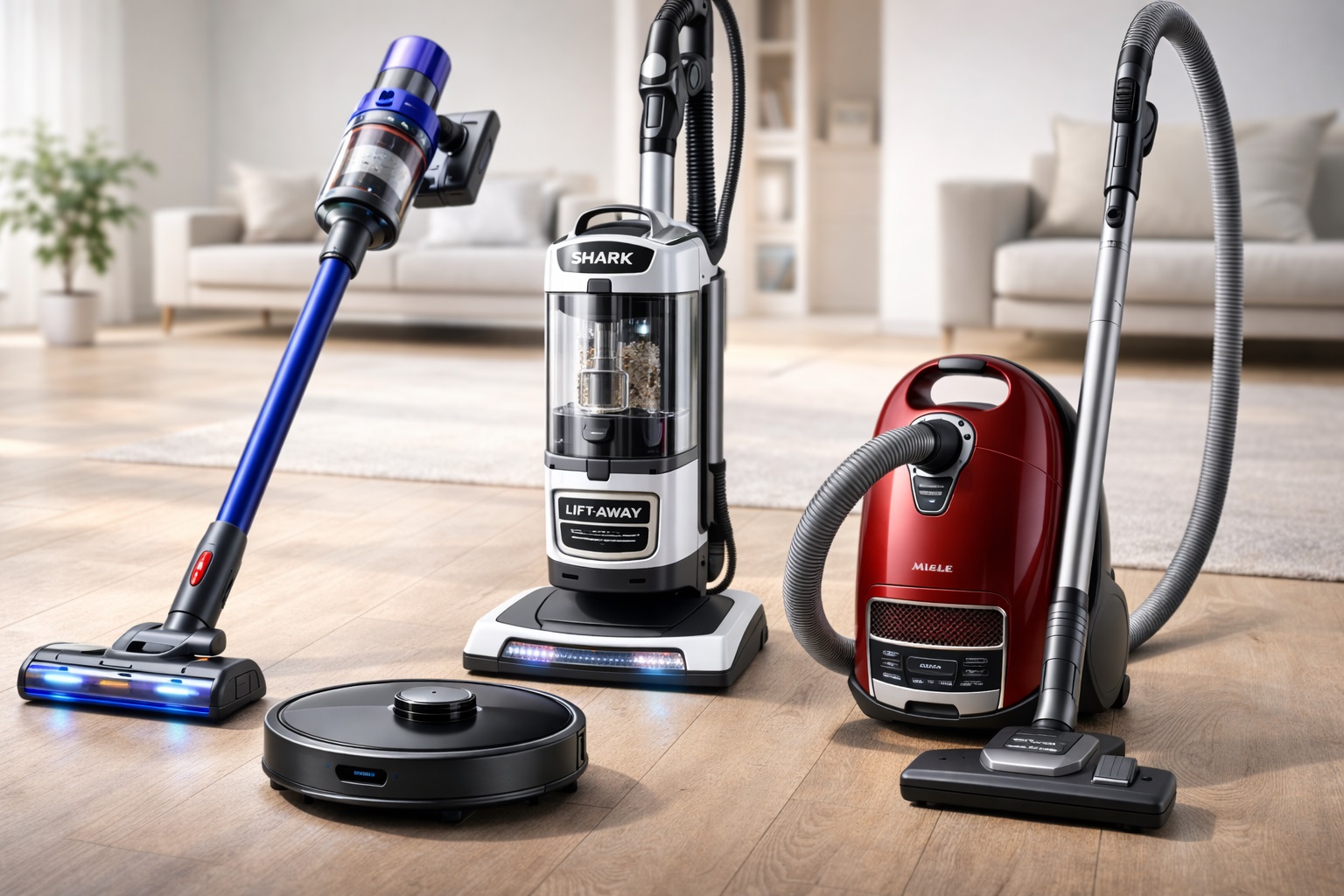
In 2026, profit in the vacuum cleaner industry is no longer driven by brand fame alone. The most successful brands combine clear positioning, the right product models, optimized sales channels, and disciplined pricing strategies.
This guide breaks down how high-profit vacuum cleaner brands actually work, and what sellers and manufacturers can learn from them 📈.
1. What Makes a Vacuum Cleaner Brand High-Profit?
High-profit vacuum brands typically share four core characteristics:
Clear target user & scenario focus
Modular, scalable product platforms
Strong cost-to-value control
Channel-specific pricing discipline
Profit comes from system design, not just premium pricing.
2. Brand Positioning Types That Drive Profit
① Technology-Driven Premium Brands
These brands emphasize:
Innovation
Engineering credibility
Smart features
They perform best in:
However, margins depend heavily on controlled SKUs and strong after-sales systems.
② Value-for-Money Performance Brands
This category delivers the highest ROI for many sellers.
These brands dominate the best value hoover / best budget vacuum segments and scale well on Amazon.
③ OEM/ODM-Backed Private Label Brands
Private-label brands supported by strong vacuums manufacturers often outperform legacy brands on margin.
Advantages include:
Brands working with manufacturers like Lanxstar can quickly launch multi-tier product lines.
3. High-Profit Vacuum Cleaner Models by Category
Cordless Vacuum Cleaners
Mid-range cordless models offer the best profit stability
Easier logistics and certification
Ideal for apartment and pet households
Wet & Dry Vacuum Cleaners
Especially effective in DTC and content-driven sales.
Quiet & Apartment Vacuum Cleaners
Low-noise positioning creates strong pricing power in urban markets.
Robot Vacuum Cleaners
High perceived tech value
Profitable in mid-to-premium tiers
Requires stable software support
4. Sales Channels: Where Each Brand Type Wins
| Channel | Best-Suited Brands | Profit Potential |
|---|
| Amazon | Value & private-label brands | ⭐⭐⭐⭐ |
| DTC Websites | Premium & smart brands | ⭐⭐⭐⭐ |
| B2B / Wholesale | Durable & wet dry models | ⭐⭐⭐ |
| Retail | Established brands | ⭐⭐⭐ |
Successful brands adapt models and pricing per channel, not one-size-fits-all.
5. Pricing Strategy: How High-Profit Brands Price Smartly
Key principles include:
Tiered pricing structure (good / better / best)
Feature-based price justification
Psychological pricing thresholds
Avoid racing to the bottom—price wars destroy margins faster than competition.
6. Case Example: Building a Profitable Vacuum Brand Line
A private-label brand working with a vacuum cleaner maker launched:
This tiered lineup increased total customer lifetime value and reduced marketing risk.
7. Manufacturer Perspective: Supporting Brand Profitability
From a vacuums manufacturer standpoint, supporting high-profit brands means:
Stable core platforms
Modular components
Predictable quality
Manufacturers like Lanxstar focus on repeatable platforms rather than one-off models.
8. Common Mistakes That Kill Brand Profit
High-profit brands are simple, focused, and disciplined.
9. High-Profit Brand & Model Strategy Matrix
| Factor | Impact on Brand | Impact on Profit |
|---|
| Clear Positioning | High | High |
| Modular Platforms | Medium | High |
| Channel Pricing Control | High | High |
| Excessive Features | Low | Negative |
Conclusion: How to Build or Choose a High-Profit Vacuum Brand in 2026
In 2026, the most profitable vacuum cleaner brands are not the loudest—they are the most strategic and consistent.
For sellers and manufacturers, success comes from:
The right product mix
The right channels
The right pricing logic
👉 Discover scalable OEM/ODM vacuum solutions here:
www.lxvacuum.com
50 Related Keyword Groups
high profit vacuum cleaner brands, profitable vacuum cleaner models, vacuum cleaner pricing strategy, vacuum sales channels, cordless vacuum brand strategy, wet dry vacuum profit, robot vacuum brand positioning, private label vacuum cleaner, vacuum cleaner OEM supplier, vacuums manufacturer, vacuum cleaner maker, Lanxstar vacuum brand, Amazon vacuum seller strategy, DTC vacuum brand, high margin vacuum products, vacuum market analysis 2026, budget vacuum brand strategy, premium vacuum cleaner positioning, scalable vacuum platform, modular vacuum cleaner design, global vacuum brands, vacuum cleaner distribution channels, vacuum cleaner profit model, household cleaning appliance brands, smart vacuum brand strategy, vacuum cleaner cost control, vacuum product portfolio strategy, private label home appliance brand, OEM vacuum manufacturing, vacuum cleaner market insights 2026