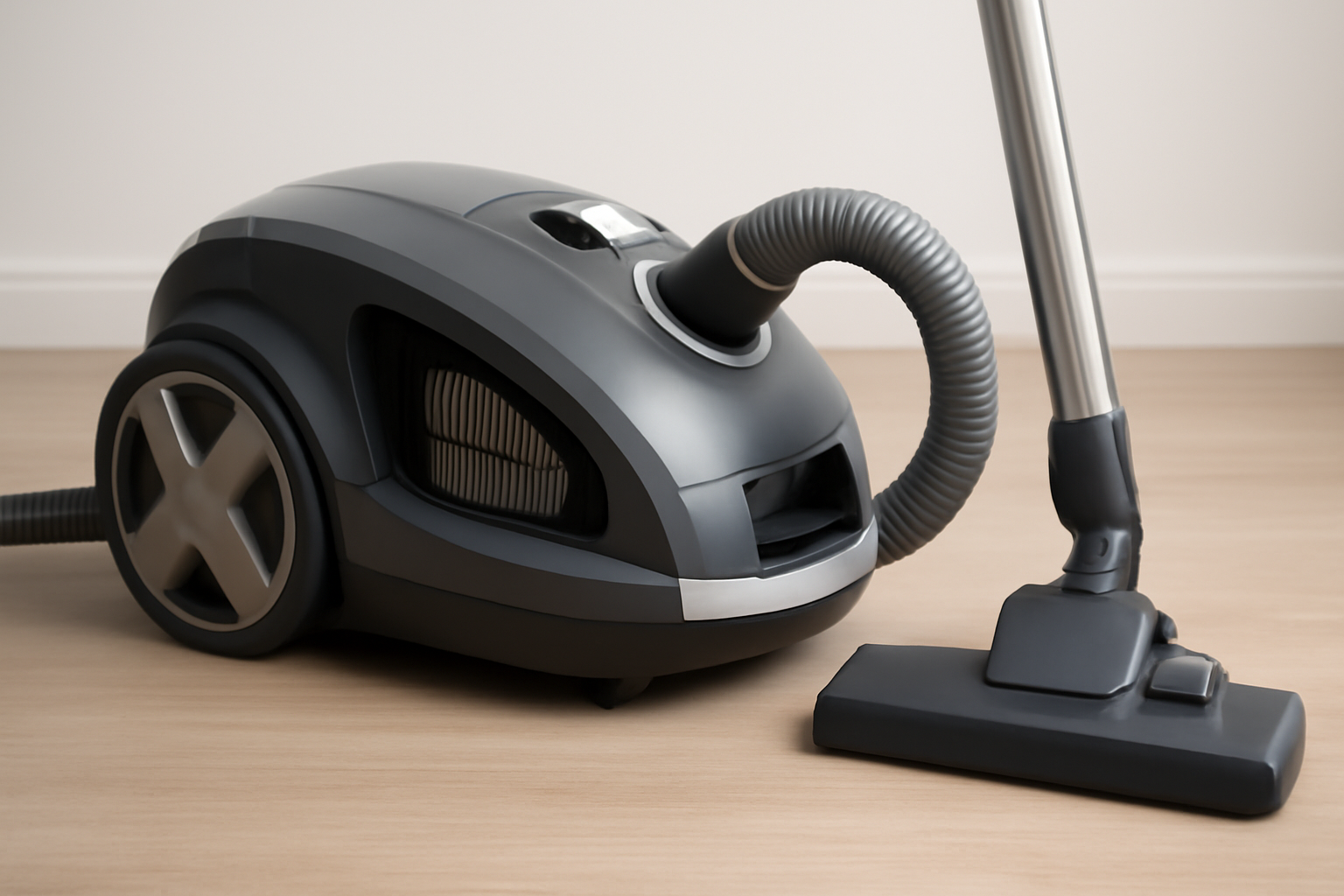
🏥 From Pandemic Fear to a New Standard of Clean
The COVID-19 pandemic reshaped global perceptions of cleanliness. For hospitals, clinics, and healthcare facilities across Europe and the Middle East, hygiene has evolved from routine maintenance into a strategic health priority.
Today, air quality and surface sanitation are part of the infection control ecosystem, and HEPA-equipped vacuum cleaners have become indispensable in achieving it.
🌬 What Makes a Vacuum “Post-Pandemic Ready”
Traditional cleaning tools — mops, brooms, and standard vacuums — often redistribute dust and pathogens instead of removing them.
By contrast, HEPA (High-Efficiency Particulate Air) filters capture 99.97% of airborne particles as small as 0.3 microns, including bacteria, allergens, and viral aerosols.
In modern hospitals and laboratories, Upright Vacuum Cleaners and Household Vacuum Cleaners with HEPA filtration are now the standard.
When combined with High Suction Vacuum Cleaner technology and Cordless Vacuum Cleaner designs, they provide deep, efficient, and mobile cleaning.
In the post-COVID era, a vacuum cleaner is no longer just a cleaning tool — it’s a frontline infection control system.
1️⃣ HEPA Filters: The Hidden Armor Against Airborne Contamination
HEPA filters operate on principles of interception, impact, and diffusion, capturing particles invisible to the naked eye.
When used in Vacuum Cleaner for Allergies or Vacuum for Multi-Surface cleaning, they prevent fine dust and pathogens from circulating back into the air.
Many hospitals have now integrated multi-stage filtration systems: HEPA + activated carbon + UV sterilization.
This dual protection ensures that while surfaces are cleaned, airborne microorganisms are simultaneously neutralized, supporting hygiene guidelines from the World Health Organization (WHO) and the Centers for Disease Control and Prevention (CDC).
2️⃣ Why Upright Vacuums Dominate Healthcare Cleaning Protocols 🧹
Upright Vacuum Cleaners are a preferred choice for medical institutions due to their ergonomic design and consistent suction power.
Cleaning staff can efficiently cover large areas such as corridors, patient rooms, and operating zones, minimizing operator fatigue.
When paired with Cordless Vacuum Cleaner mobility and Quiet Vacuum for Night Use features, these systems are ideal for 24/7 hospital operations — ensuring hygiene without disturbing patient rest or medical work.
3️⃣ Post-COVID Air Quality Regulations and Procurement Shifts
Regulations in the EU and GCC (Gulf Cooperation Council) markets now emphasize not only surface disinfection but also airborne pathogen mitigation, pushing procurement departments to update equipment specifications.
Healthcare buyers are now seeking machines that combine Vacuum for Multi-Surface adaptability with HEPA H13/H14 certification and Energy-Saving Efficient Powerful Vacuum Cleaner performance.
This demand is driving the growth of Cordless, eco-efficient models across the Middle East, where hospitals need to meet both infection control requirements and sustainability goals.
4️⃣ Cost-Benefit Analysis: Beyond Surface Cleanliness 💡
While HEPA-equipped vacuums may cost 20–30% more than traditional models, their long-term return on investment (ROI) is clear:
Fewer staff sick days due to cleaner air
Higher patient satisfaction
Easier compliance with health inspections
According to industry reports, hospitals that upgraded to HEPA Wet Dry Vacuum Cleaners saw a 37% reduction in surface microbial load and improved indoor air quality within one month.
It’s no longer just an expense — it’s a preventive health investment.
5️⃣ How to Choose the Right HEPA Vacuum for Hospitals 🧩
Key features to evaluate before procurement:
Certified HEPA H13 or H14 filter
Multi-surface cleaning capability
Cordless and lightweight design
Quiet operation (<60dB)
Sealed dust containment and easy maintenance
Top-performing models include:
Upright Vacuum Cleaners for large corridor cleaning
Cordless Handheld Vacuum Cleaner for medical labs
Wet Dry Vacuum Cleaners for spill-prone areas
Vacuum Cleaner for Allergies for sensitive wards
6️⃣ The Middle East Market: Clean Is the New Luxury 🕌
In Saudi Arabia, the UAE, and Qatar, healthcare facilities are upgrading to smart, connected vacuums with self-cleaning and air quality monitoring features.
Products like Portable Self-Cleaning Vacuum Cleaner or 4 in 1 Cordless Smart Wet & Dry Vacuum Cleaner are in high demand for private healthcare projects.
Cleanliness has become an indicator of trust, not just compliance.
7️⃣ Conclusion: From Hygiene to Confidence
In the post-pandemic world, HEPA-equipped vacuum cleaners are not just a hospital cleaning tool — they symbolize an institution's commitment to safety, innovation, and patient well-being.
By investing in these systems, procurement managers not only meet international cleaning standards but also reinforce the institution’s reputation for excellence.
In 2025 and beyond, clean air is healthcare’s new currency — and HEPA technology is its backbone.
🧩 Hashtags
Upright Vacuum Cleaners, Household Vacuum Cleaners, High Suction Vacuum Cleaner, Cordless Vacuum Cleaner, Vacuum Cleaner for Allergies, Vacuum for Multi-Surface, Wet Dry Vacuum Cleaners, Quiet Vacuum for Night Use, Cordless Handheld Vacuum Cleaner, Portable Self-Cleaning Vacuum Cleaner, Energy-Saving Efficient Powerful Vacuum Cleaner, 4 in 1 Cordless Smart Wet & Dry Vacuum Cleaner, Large-Capacity Wet Dry Vacuum Cleaner, Multi-Functional Durable Vacuum Cleaner, Vacuum for Multi-Surface, Car Vacuum Cleaner, Commercial HEPA Vacuum, Industrial Cleaning Equipment, Smart Vacuum Technology, HEPA Filtration System, Hospital Cleaning Equipment, Medical Facility Hygiene, Clean Air Technology, B2B Vacuum Distributor, Middle East Cleaning Industry, GCC Hygiene Solutions, Healthcare Procurement, Infection Control Equipment, Floor Cleaning Machines, Quiet Industrial Vacuum, Sustainable Cleaning Equipment, Energy Efficient Vacuums, Cordless Cleaning Tools, Allergy-Free Cleaning, Smart Air Purification, Multi-Surface HEPA Vacuum, Post-Pandemic Cleaning Strategy, Hospital Maintenance Solutions, Disinfection Equipment Supplier, Smart Sanitation Solutions, Hospital Vacuum Systems, Air Quality Equipment, Dust-Free Cleaning, Industrial Floor Cleaner, Professional Cleaning Solutions, Medical Equipment Procurement, Hospital Cleaning Procurement, Smart Healthcare Cleaning, Post-COVID Hygiene Innovation, Lanxstar