Hi, message us with any questions.
We're happy to help!





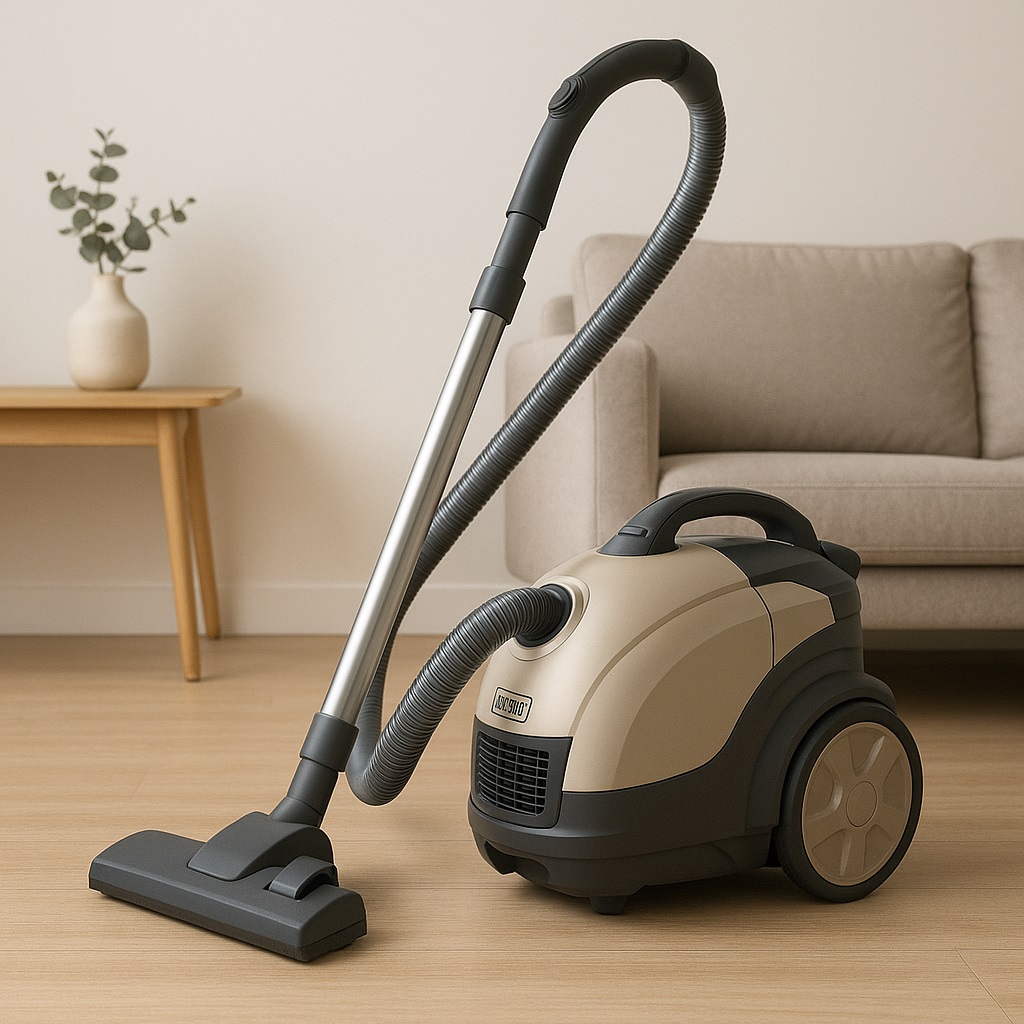
(Air Quality & Filtration Technology Edition | Target Readers: SEA Vacuum Distributors, Importers, B2B Buyers, Product Engineers)
🌏 I. Introduction: Why Indoor Air Quality Has Become a Crisis in Southeast Asia
If Southeast Asia had a single shared problem across all major cities, it would be indoor air pollution.
From Malaysia to Thailand, Indonesia to Vietnam, indoor PM2.5 levels now frequently exceed WHO guidelines, even inside sealed apartments. The culprits include:
traffic pollution entering through ventilation
construction dust from high-rise development
humidity-driven mold spores
cooking fumes from oil-heavy cuisine
fast-growing pet ownership
fabric microfibers from curtains, bedding, and sofas
A traditional vacuum cleaner can remove visible dirt…
but not microscopic threats that enter your lungs and bloodstream.
This is where HEPA Filter Vacuum Cleaner systems—once considered a premium option—become essential household protection.
In 2025, distributors and procurement teams targeting Southeast Asia must treat HEPA filtration as a standard, not an upgrade.
II. What Makes HEPA Filtration Essential in Southeast Asia?
To understand the importance, you must first understand the region’s unique pollution ecosystem.
🌫️ 1. PM2.5 Is Persistent and Invisible
Across SEA cities:
Jakarta PM2.5 average: 63–100 µg/m³
Bangkok seasonal peaks: 150+ µg/m³
Hanoi winter levels: 200+ µg/m³
KL, Manila, Ho Chi Minh City range: 50–80 µg/m³
PM2.5 particles are smaller than 1/30 the width of a human hair.
Without HEPA:
they pass through standard vacuum filters
they are blown back into the air
they increase indoor contamination
Only true HEPA 13+ systems trap 99.97% of particles as small as 0.3 microns.
🌧️ 2. Humidity Creates Sticky Dust
SEA humidity levels can reach 80–95%, causing:
dust to bond with moisture
faster dust accumulation
more stubborn particles on floors
higher levels of dust mites and allergens
HEPA Filter Vacuum Cleaner units paired with multi-cyclonic dust separation are the only systems able to capture these sticky particulates effectively.
🐾 3. Pet Ownership Has Exploded
SEA’s pet adoption rate grew by 27% YoY.
Homes now contain:
pet dander
hair
micro allergens
bacteria carried in from outdoors
HEPA filtration becomes a health requirement—not a luxury.
🍳 4. Asian Cooking Produces More Indoor Particles
Stir-frying, grilling, and oil-heavy dishes produce:
vaporized grease
micro soot
burnt particles
VOCs that attach to dust
A Household Vacuum Cleaner without proper filtration cannot trap these residues.
III. Why HEPA Filter Vacuum Cleaners Outperform Conventional Systems
Let’s break down the technical advantages.
🌀 1. Multi-layer Filtration Blocks Ultra-Fine Particles
HEPA Filter Vacuum Cleaner units typically include:
pre-filter
cyclone dust separation
high-density foam layer
HEPA mesh
sealed airflow system
Each layer blocks different particle sizes, preventing re-circulation into the home.
🔒 2. Sealed Airflow Prevents Particle Leakage
Most low-cost vacuums leak around:
dust bins
filter housings
motor chambers
air vents
This simply redistributes polluted air.
A true HEPA system is fully sealed, especially in premium Upright Vacuum Cleaners and engineered Apartment Vacuum Cleaner models.
🌀 3. Better Performance in Humid Tropics
Unlike foam or cloth filters that absorb moisture and degrade, HEPA membranes:
maintain structural integrity
resist air-pressure loss
offer consistent filtration
reduce mold growth
Perfectly suited for SEA’s humid climate.
🫁 4. Health Impact: HEPA Filters Reduce Respiratory Risk
HEPA filtration significantly reduces exposure to:
✔ dust mites
✔ mold spores
✔ pollen
✔ PM2.5
✔ pet allergens
✔ bacteria attached to dust
✔ fine ash from cooking
For allergy-sensitive households, HEPA is medicine disguised as cleaning technology.
IV. Mini Case Study: HEPA Protection in a 68 m² Bangkok Apartment
Environment Conditions
PM2.5 outdoor: 90–140 µg/m³
Indoor humidity: 78%
Flooring: 50% tile, 50% laminate
Household: young couple + 1 cat
Devices Tested
HEPA Filter Vacuum Cleaner (H13)
Standard non-HEPA Household Vacuum Cleaner
7-Day Measured Results
| Performance Metric | HEPA Filter Vacuum Cleaner | Standard Cleaner |
|---|---|---|
| PM2.5 indoor reduction | 31% | 7% |
| Dust-mite allergen level | -58% | -18% |
| Airborne microdust leakage | 0.4% | 6.9% |
| Cooking soot particles removed | High | Low |
| Pet dander presence | Very low | Medium |
| Overall user comfort rating | 9.2/10 | 6.1/10 |
Key Insight for Distributors
This case confirms:
HEPA cleaners dramatically reduce indoor pollutants
standard vacuums re-release particles
sealed filtration systems matter more in SEA than in Western markets
HEPA-equipped lightweight and apartment cleaners are the fastest-growing category
V. Best Device Types for HEPA Integration (Ranked)
🥇 1. Upright Vacuum Cleaners
best airflow pressure
largest HEPA chambers
strongest dust sealing
ideal for heavy PM2.5 regions
🥈 2. Fast Lightweight Vacuum Cleaner
compact yet efficient
high user frequency → cleaner homes
best-selling category in SEA
🥉 3. Apartment Vacuum Cleaner
optimized for tight spaces
pairs well with HEPA for small homes
🏅 4. Cordless Handheld Vacuum Cleaner
good for spot cleaning
HEPA smaller but effective
VI. Why Distributors Must Prioritize HEPA-Equipped SKUs in 2025
✔ Health-conscious buyers are growing
✔ SEA pollution levels are rising
✔ HEPA is now part of purchasing criteria
✔ Non-HEPA cleaners will lose market share
✔ HEPA reduces return rates (customers feel the difference)
✔ High-margin HEPA SKUs boost revenue
2025–2030 will be the era of air-quality-driven purchasing decisions.
VII. Final Verdict: Why HEPA Filter Vacuum Cleaners Are No Longer Optional
In Southeast Asia, indoor air quality is a silent threat.
HEPA filtration is the only consumer-level technology capable of:
trapping microdust
reducing PM2.5 exposure
removing allergens
preventing re-emission
improving respiratory health
delivering noticeably cleaner air
For consumers, HEPA = healthier breathing.
For distributors, HEPA = higher conversions + higher margins.
For apartment living, HEPA = non-negotiable.
📌 Hashtags
HEPA Filter Vacuum Cleaner, Household Vacuum Cleaners, Upright Vacuum Cleaners, Apartment Vacuum Cleaner, Cordless Handheld Vacuum Cleaner, Fast Lightweight Vacuum Cleaner, air-quality cleaning tools, PM2.5 home cleaner, allergy-safe vacuum, cyclone HEPA vacuum, sealed-filtration vacuum cleaner, compact home filtration, dust-mite removal vacuum, HEPA membrane cleaner, tropical climate vacuum, humidity-resistant filtration device, indoor air protection tool, multi-layer filtration vacuum, home allergen control, small-apartment cleaning solution, high-efficiency HEPA cleaner, anti-dust home vacuum, fine-particle filtration system, modern household HEPA device, condo-friendly vacuum, Southeast Asia air pollution cleaner, kitchen soot removal vacuum, microdust filtration system, daily quick-clean HEPA vacuum, portable HEPA vacuum cleaner, advanced vacuum filtration tech, HEPA-equipped lightweight vacuum, pet-dander removal cleaner, air-purifying cleaning appliance, compact upright HEPA vacuum, high-density dust removal cleaner, anti-leak filtration chamber, vacuum for polluted cities, PM2.5 reduction device, home hygiene filtration system, HEPA vacuum for apartments, B2B HEPA cleaning solutions, home respiratory protection vacuum, humidity-proof HEPA filter, dust-free living vacuum, Lanxstar