Hi, message us with any questions.
We're happy to help!





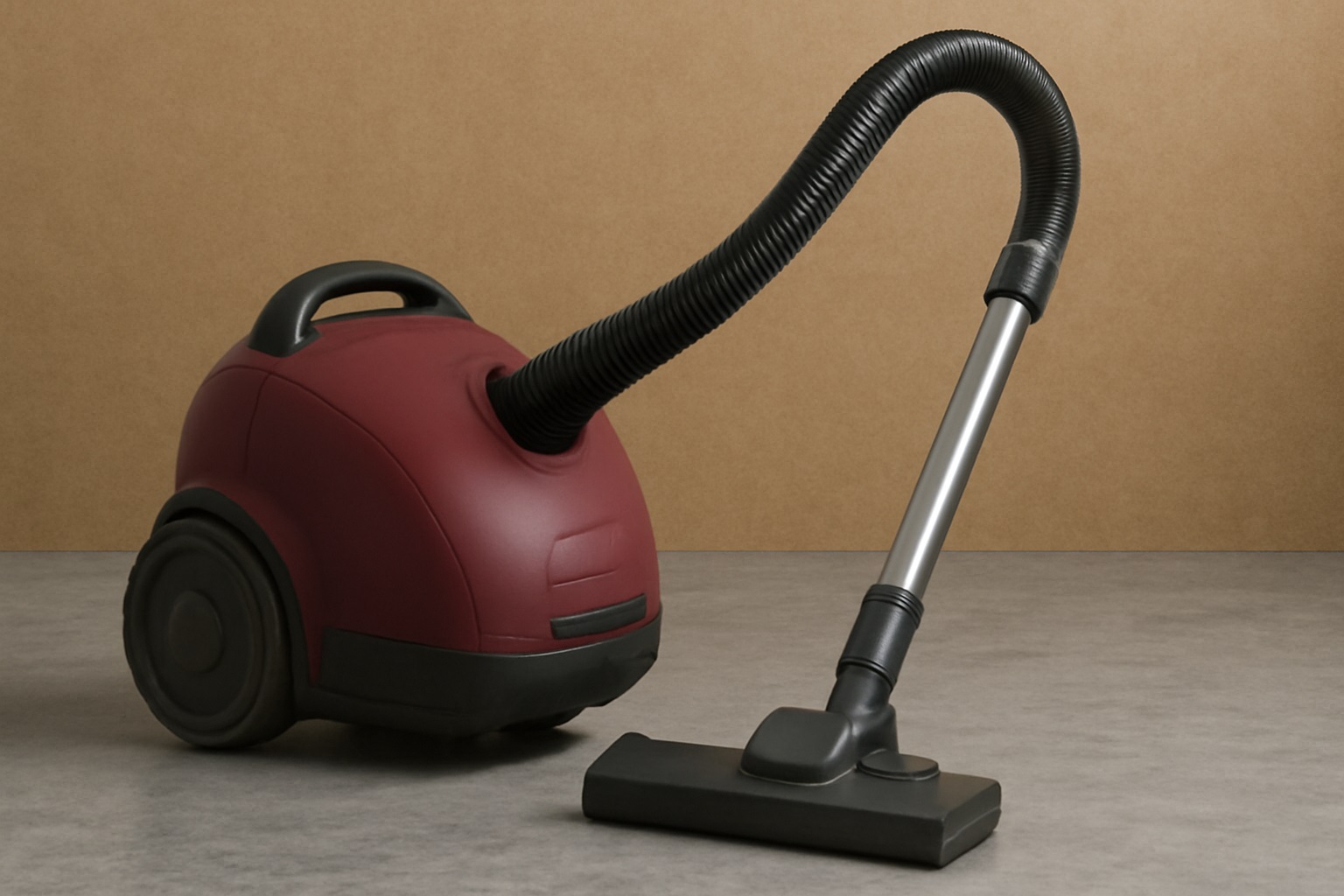
In the competitive vacuum cleaner market, achieving and maintaining a 20%+ net profit margin can be challenging, especially for businesses exporting or supplying household vacuum cleaners, high suction vacuum cleaners, or multi-functional durable vacuum cleaners to international customers. Both freight costs and pricing strategies play a pivotal role in determining overall profitability. This article explores how to balance freight charges with an effective pricing margin strategy to ensure long-term profitability and maintain a healthy bottom line.
1. Understanding the Impact of Freight Costs on Profit Margins 🚚
How Freight Affects Your Bottom Line
Freight is a crucial part of the overall cost structure, especially for products like wet dry vacuum cleaners, large-capacity wet dry vacuum cleaners, or portable vacuum for travel models that often require special handling or bulk shipping. Shipping costs can vary significantly depending on product size, weight, and destination, and they can greatly affect your net profit margin.
Key Freight Cost Considerations:
Shipping Method: Sea freight, air freight, and road freight all have different cost structures. Sea freight is usually cheaper for larger shipments, while air freight is faster but more expensive.
Volume vs. Weight: The volume and weight of vacuum cleaner shipments impact freight charges. Large-capacity wet dry vacuum cleaners may require more space, which could lead to higher shipping costs.
Destination and Customs Fees: Shipping to different regions, such as the EU or US, involves varying import duties, taxes, and port fees.
Case Study Example:
According to a global e-commerce platform, the average shipping cost for vacuum cleaner products to the US is 10% of the product price. If a wet dry vacuum cleaner is priced at $100, the shipping cost would be $10. If the product is priced too low, this can directly eat into profits, preventing the company from maintaining a 20% net profit margin.
How to Manage Freight Costs:
Negotiate Freight Rates: Establishing strong relationships with freight forwarders can help you negotiate better rates, especially for bulk shipments.
Consolidate Shipments: If possible, consolidate smaller orders into one larger shipment to reduce per-unit freight costs.
Monitor Shipping Trends: Freight costs can fluctuate due to fuel prices, demand, and global events. Stay updated and adjust your pricing strategy accordingly.
2. Pricing Strategy: How to Set the Right Price for Maximum Profit 💰
How to Balance Freight and Pricing
To maintain a 20%+ net profit margin, your pricing strategy must take into account both production costs and freight expenses. Striking the right balance between competitive pricing and profitability is key to long-term success in the vacuum cleaner market. Setting a price too low can erode your margins, while setting it too high can make your product uncompetitive.
Steps to Set Effective Pricing:
Factor in Freight Costs: Add freight charges to the product cost and ensure this is reflected in your selling price.
Include a Markup for Profit: Once the base cost (product cost + freight) is calculated, add a markup to maintain your desired profit margin. A markup of 30% to 50% can help you achieve a 20%+ net profit margin.
Evaluate Competitor Pricing: Research what similar products in the market are priced at and ensure your prices are competitive without sacrificing profitability.
Case Study Example:
If a multi-functional durable vacuum cleaner costs $50 to produce and $20 to ship, your base cost is $70. To achieve a 20% profit margin, the selling price should be at least $87.50 ($70 + $17.50 markup).
3. The Role of Value Proposition in Pricing Strategy 🎯
Why Value-Based Pricing Works
The most successful businesses in the vacuum cleaner industry understand that value-based pricing—rather than simply cost-plus pricing—can help maintain a healthy profit margin. For example, if your cordless vacuum cleaners offer superior battery life, lightweight design, or innovative cleaning features, you can price them at a premium, reflecting the added value to the customer.
How to Communicate Value:
Highlight Unique Features: For products like high suction vacuum cleaners or wet dry vacuum cleaners, focus on features such as suction power, versatility, energy efficiency, and ease of use.
Target Specific Needs: Tailor your messaging to specific B2B or B2C buyers, such as offering portable vacuum for travel models for frequent travelers or large-capacity vacuums for businesses with high-volume cleaning needs.
Customer Benefits Over Competitors: Emphasize long-term savings, such as energy efficiency or durability, which can justify a higher price point.
Case Study Example:
A high suction vacuum cleaner with advanced HEPA filtration for better air quality can be marketed to households and businesses that prioritize health and cleanliness, allowing for a higher price tag.
4. Freight Consolidation vs. Product-Specific Pricing 🧳
Should You Consolidate Freight or Adjust Pricing?
A key consideration when shipping products like vacuum cleaners is whether to consolidate your freight shipments or price each product individually based on shipping costs. Consolidating freight is often a cost-effective strategy when shipping large volumes, but it can sometimes result in higher per-unit costs for products that are smaller or lighter, such as portable vacuum for travel.
How to Tackle This Challenge:
Consolidate Shipments for Large Orders: If you’re fulfilling large orders, consolidating freight can help reduce costs per unit, which you can pass on to customers in the form of competitive pricing.
Increase Product Price for Small Orders: For smaller, more compact products like car vacuum cleaners, you may need to adjust the price to cover higher shipping costs, ensuring your profit margin is maintained.
Case Study Example:
When shipping wet dry vacuum cleaners, consolidating orders into one container reduces shipping costs per unit, making the price more competitive. For small orders of portable vacuum for travel, you may need to add a slight freight surcharge to maintain profitability.
5. How to Monitor and Adjust Pricing for Maximum Margin 📊
Why Ongoing Monitoring is Essential
Maintaining a 20%+ net profit margin requires constant monitoring of both freight rates and market trends. Freight charges fluctuate based on global events, fuel prices, and demand, while consumer preferences can change, affecting your pricing strategy.
Steps to Maintain Profitability:
Track Freight Costs Regularly: Keep an eye on fuel prices, shipping fees, and tariffs, and adjust your pricing accordingly.
Reevaluate Pricing Periodically: Regularly review your pricing to account for rising costs and market conditions. Be ready to adjust for seasonal fluctuations or when introducing new products.
Customer Feedback: Monitor how well your products are performing in the market. If customers express concern over high prices, consider revisiting your cost structure or offering promotions to drive sales without sacrificing margins.
Case Study Example:
If freight costs for large-capacity wet dry vacuum cleaners rise due to increased shipping demand, adjust the product pricing to absorb these costs while maintaining your desired net profit margin.
Conclusion: Balancing Freight and Pricing for Optimal Profit
In the competitive vacuum cleaner industry, achieving and maintaining a 20%+ net profit margin requires a strategic approach to both freight costs and pricing strategy. By factoring in shipping costs, setting a competitive yet profitable price point, and continuously monitoring market trends, businesses can ensure long-term profitability. Whether you’re dealing with household vacuum cleaners, high suction vacuum cleaners, or wet dry vacuum cleaners, maintaining a balance between freight and pricing is essential for staying competitive while safeguarding your profit margins.
Hashtags
HouseholdVacuumCleaners, HighSuctionVacuumCleaner, MultiFunctionalDurableVacuumCleaner, WetDryVacuumCleaners, PortableVacuumForTravel, LargeCapacityWetDryVacuumCleaner, FreightCostsAndPricing, ProfitMarginStrategy, VacuumPricingStrategy, FreightVsPricing, VacuumExportStrategy, ProductMarginOptimization, CommercialVacuumSales, VacuumCleanerMargins, CostPlusPricing, ExportPricing, VacuumShippingCosts, InternationalShippingForVacuum, VacuumBusinessProfitability, VacuumPricingAdjustments, EfficientFreightShipping, VacuumMarketProfit, VacuumCleanerProfitMargins, VacuumSupplyChain, VacuumPricingAnalysis, Lanxstar.



