Hi, message us with any questions.
We're happy to help!





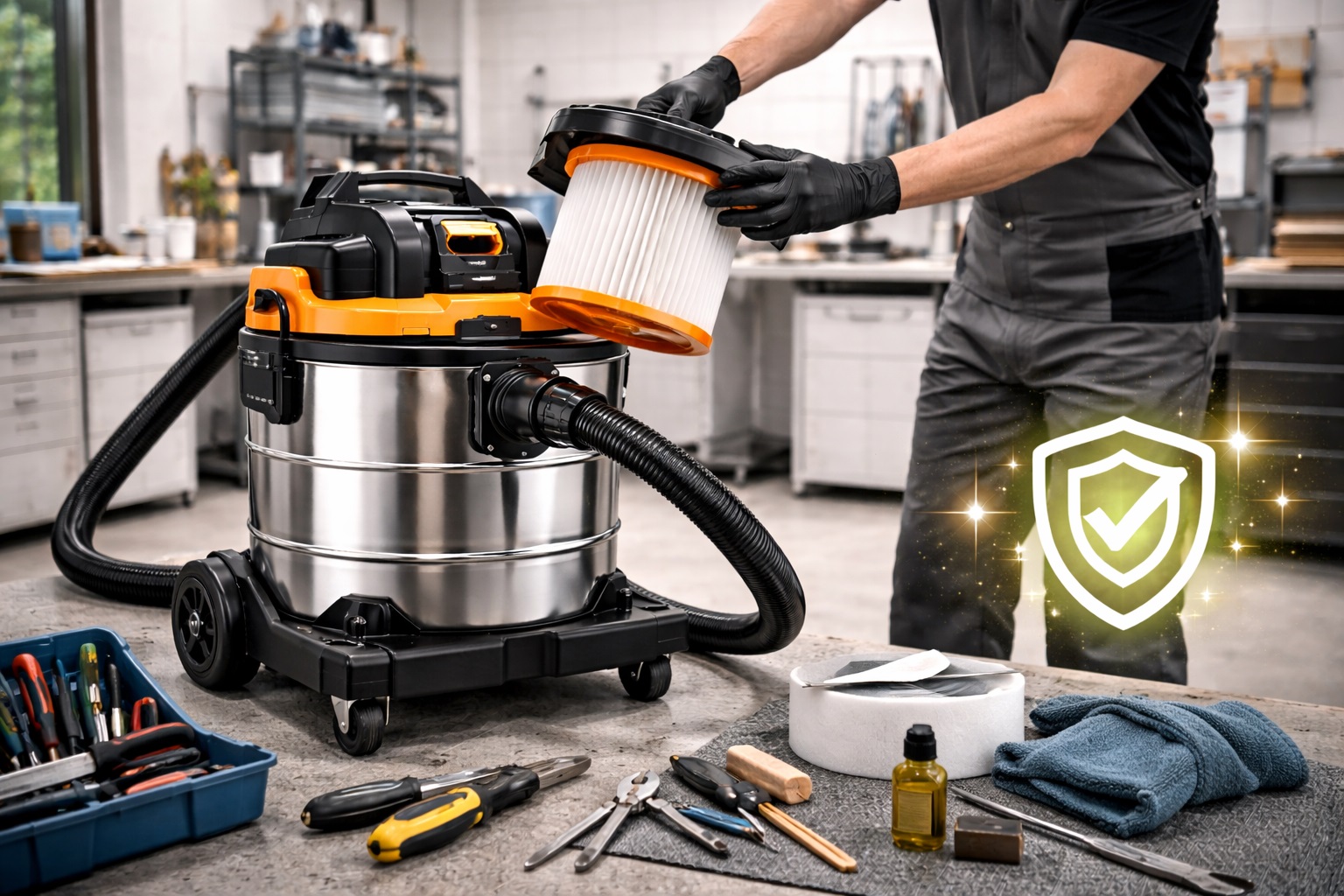
Maximizing Vacuum Efficiency and Longevity in Commercial Spaces
In commercial cleaning, vacuums are the backbone of maintaining a clean environment, whether it’s a hotel, office, or manufacturing plant. A vacuum cleaner that’s not properly maintained can lead to poor performance, frequent repairs, and reduced lifespan.
For facility managers, cleaning contractors, and B2B buyers in Europe, the US, and the Middle East, understanding how to maintain vacuums effectively is key to optimizing cleaning efficiency and reducing operational costs.
This article explores how regular maintenance extends the lifespan of wet and dry vacuums, cordless vacuums, and high-suction vacuums while keeping your equipment in peak working condition.
🧠 Why Regular Maintenance Is Crucial for Vacuum Lifespan
A vacuum is a significant investment in commercial cleaning operations, and ensuring that it lasts for many years requires consistent upkeep. Without proper care, vacuums will lose their suction power, experience frequent breakdowns, and eventually need early replacement—all of which lead to unnecessary costs.
The benefits of regular vacuum maintenance include:
Increased durability of the machine’s motor and components
Improved performance with consistent suction and power
Cost savings by reducing the need for repairs or replacements
Better air quality through maintained filtration systems
By incorporating a maintenance schedule, you can ensure that your vacuum performs optimally, reduces the need for repairs, and lasts longer, ultimately giving you a better return on investment (ROI).
🧩 Key Maintenance Areas to Extend Vacuum Lifespan
1. Clean or Replace Filters Regularly
Filters are essential for keeping debris and dust from being recirculated into the air. If filters are clogged, they can significantly reduce suction power, causing the vacuum to work harder and consume more energy.
For vacuums with HEPA filters or multi-layer filters:
Clean filters regularly: Remove dust and debris by washing or tapping the filter gently.
Replace filters: Over time, filters will wear out, so replace them per the manufacturer’s instructions to avoid clogs and ensure proper air filtration.
For wet and dry vacuum cleaners, check that filters are designed to handle both wet and dry debris. Avoid allowing moisture to damage filters, which can lead to mold growth and decreased suction.
2. Inspect and Clean Hoses and Attachments
Hoses can easily become clogged with dirt, hair, or debris, which reduces suction and can cause the motor to overheat. Cleaning and inspecting hoses regularly is a must.
For vacuums like the Cordless Handheld Vacuum Cleaner or Multi-Functional Durable Vacuum Cleaner:
Check hoses for blockages: Ensure that hoses are free from tangles and obstructions.
Clean attachments: Brushes, extension wands, and crevice tools should be wiped down regularly to remove any debris.
This routine will ensure that the vacuum continues to operate at maximum efficiency, preventing any strain on the motor.
3. Maintain Suction Power
Suction power is the primary factor in how effective a vacuum is at cleaning. If the vacuum loses suction, it could be due to:
Clogged filters
Full dustbin
Obstructions in the hose
To maintain suction:
Empty the dustbin or tank frequently, especially in wet and dry vacuums, to prevent debris from obstructing airflow.
Regularly check for blockages in the hose and other attachments. Clear any visible debris.
Use the vacuum only for its intended purpose (e.g., avoid vacuuming large debris or wet items in vacuums not rated for that).
Maintaining suction is key to avoiding strain on the motor and ensuring optimal cleaning power.
4. Check and Maintain the Motor
The motor is the heart of any vacuum. Overuse, combined with poor maintenance, can cause the motor to overheat or wear out prematurely.
To extend motor life:
Limit overheating by giving the vacuum breaks during long cleaning sessions.
Keep vents clear to ensure proper airflow and cooling.
If your vacuum has a carbon brush motor, inspect it periodically for wear and replace brushes when necessary to maintain efficiency.
5. Properly Store the Vacuum
Storage conditions have a big impact on a vacuum’s lifespan. Storing vacuums improperly can cause damage to internal components or external parts.
Best practices for vacuum storage:
Store vacuums upright to avoid putting stress on the motor or hose.
Store in a cool, dry place, especially for vacuums with batteries, to avoid moisture or excessive heat from damaging internal components.
For cordless vacuums, charge batteries properly: Follow manufacturer recommendations for charging intervals and battery care to avoid reducing battery life.
🧹 Specific Vacuum Maintenance Tips
1. Cordless Handheld Vacuum Cleaners
Cordless vacuums offer mobility but require particular care:
Charge batteries fully but avoid overcharging, which can shorten battery life.
Clean the charging port and inspect the battery for wear and tear.
Ensure proper storage of the vacuum to prevent battery damage from extreme temperatures.
2. Wet and Dry Vacuum Cleaners
For vacuums that handle both wet and dry cleaning:
Rinse tanks after wet cleaning to prevent mold and bacteria buildup.
Dry components thoroughly before storage to avoid moisture damage.
Regularly clean and replace filters to prevent clogs that could reduce suction and cause motor strain.
🔧 How to Troubleshoot Common Vacuum Problems
1. Loss of Suction Power
Common causes include:
Clogged filters or dustbin
Obstructed hoses
Full or damaged vacuum bag
Solution: Check the filters and dustbin, clear the hoses, and ensure that there is no buildup of debris blocking airflow.
2. Overheating or Burning Smell
If your vacuum overheats or produces a burning smell, it could be due to:
Clogged filters or debris causing excessive motor strain
Damaged motor components
Solution: Turn off the vacuum, clean filters and hoses, and inspect the motor for damage. If the issue persists, have the motor professionally serviced.
3. Strange Noises
Unusual noises can indicate problems with the brush roll or motor.
Blocked brush rolls can cause grinding or squealing sounds.
Loose parts or internal motor damage can cause rattling noises.
Solution: Clean the brush rolls and check for debris or tangles. If the noise continues, inspect the motor for damage or wear.
📉 ROI and Long-Term Savings from Vacuum Maintenance
The ROI of regular vacuum maintenance is clear:
Reduced repair costs: Routine care prevents expensive breakdowns and repairs.
Extended vacuum life: By maintaining your equipment, you can extend its operational lifespan and reduce the frequency of replacement.
Improved cleaning efficiency: A well-maintained vacuum performs at its best, improving cleaning results and reducing cleaning time.
Proper maintenance is the key to ensuring that your vacuum continues to provide excellent performance while minimizing costs over its life.
🧭 A Vacuum Maintenance Framework for Longevity
| Vacuum Maintenance Need | Maintenance Action |
|---|---|
| Loss of suction | Clean or replace filters, clear hoses, and empty the dustbin regularly |
| Motor overheating | Provide regular breaks, ensure proper ventilation, and inspect for blockages |
| Battery life for cordless vacuums | Fully charge and properly store batteries; avoid overcharging |
| Filter maintenance | Clean or replace filters regularly to ensure optimal suction power |
| Wet vacuum maintenance | Clean tanks thoroughly and dry components to prevent mold or bacteria growth |
🧠 Final Insight for Facility Managers
Vacuum maintenance is not just about extending the lifespan of your equipment; it’s about ensuring consistent performance and reliability for your cleaning operations. By committing to a regular maintenance schedule, you can save money, improve cleaning quality, and reduce the frequency of repairs. Well-maintained vacuums contribute to long-term operational efficiency and create a healthier environment for employees, tenants, and visitors.
👥 Suitable Readers
Facility managers
Cleaning contractors
B2B vacuum equipment buyers
Procurement teams
Maintenance teams
🔖 Hashtags
wet and dry vacuum cleaner, Multi-Functional Durable Vacuum Cleaner, High Suction Vacuum Cleaner, Fast Lightweight Vacuum Cleaner, Cordless Handheld Vacuum Cleaner, Vacuum Cleaner for Pet Hair, vacuum maintenance, extending vacuum lifespan, vacuum care tips, commercial cleaning equipment, vacuum cleaning efficiency, vacuum filter maintenance, vacuum suction power, commercial vacuum repair, battery care for vacuums, cleaning equipment longevity, multi-functional vacuum care, high suction vacuum maintenance, vacuum troubleshooting, vacuum maintenance schedule, HEPA vacuum filters, energy-efficient vacuum care, commercial vacuum cleaning, vacuum maintenance for longevity, vacuum motor care, wet and dry vacuum maintenance, vacuum filter replacement, maintaining cordless vacuums, cleaning equipment upkeep, vacuum performance maintenance, dust collection vacuum systems, vacuum cleaning strategies, cleaning equipment lifecycle, vacuum performance optimization, cordless vacuum maintenance, cleaning tools care, multi-surface vacuum maintenance, commercial janitorial systems, vacuum maintenance for multi-surface use, facility vacuum management, cleaning tools for large venues, Lanxstar



