Hi, message us with any questions.
We're happy to help!





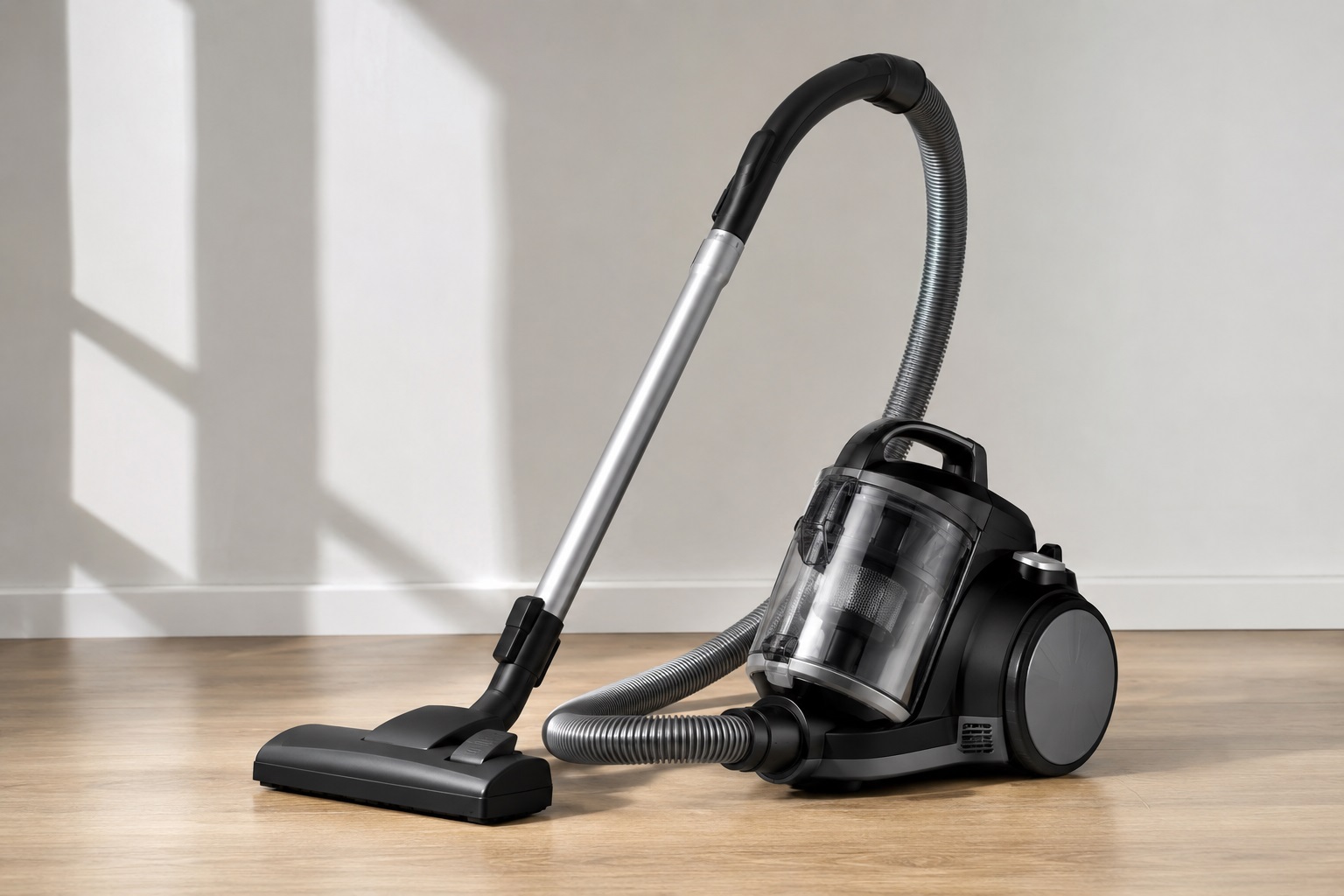
🚨 Europe Is Eliminating Low-Compliance Suppliers Faster Than Most Factories Realize
For years, many vacuum cleaner exporters believed European buyers cared mainly about:
low prices,
strong suction power,
fast delivery,
and private label OEM services.
That market is disappearing rapidly.
Today, Europe is moving into a completely different procurement era driven by:
energy efficiency regulations,
sustainability pressure,
product traceability,
environmental legislation,
and compliance transparency.
For modern European importers, especially retail distributors and large appliance buyers, vacuum cleaner compliance is no longer a technical afterthought.
It is now part of supplier survival evaluation.
This is why understanding EU energy standard vacuum cleaner compliance has become essential for every serious vacuum cleaner manufacturer and vacuum cleaner exporter targeting Europe.
The factories adapting early are entering premium retail systems.
The factories ignoring compliance are quietly losing long-term market access.
⚡ Why the EU Is Tightening Vacuum Cleaner Energy Regulation
According to European environmental policy reports, household appliances remain one of the largest contributors to residential electricity consumption across the EU.
Vacuum cleaners became a major regulatory target because authorities discovered a widespread industry problem:
Higher power consumption did not always result in better cleaning performance.
As a result, European regulators gradually introduced stricter requirements related to:
annual energy consumption,
motor efficiency,
dust pickup performance,
filtration quality,
noise reduction,
durability,
and repairability.
The European market is no longer rewarding “high wattage.”
It is rewarding:
optimized engineering,
efficient airflow systems,
sustainable product design,
and stable compliance systems.
This shift is fundamentally changing how vacuum cleaners are developed and sourced globally.
🔥 The Industry Reality Most Exporters Still Don’t Understand
❌ Many CE Certificates Have Little Real Value
One of the biggest hidden problems in the appliance industry is the misunderstanding of what compliance actually means.
Many factories still believe:
“If we have CE certification, exporting to Europe is safe.”
Experienced European buyers know this is dangerously outdated thinking.
Why?
Because many certificates circulating in the market are:
outdated,
generic,
disconnected from current production,
or based on samples that no longer match actual manufacturing.
Some factories even replace:
motors,
PCB suppliers,
filtration systems,
or battery components
after certification testing has already been completed.
This creates major legal and commercial risks for European distributors.
Today, European authorities increasingly perform:
customs inspections,
retail compliance audits,
random product verification,
and online marketplace investigations.
A product passing testing once does not guarantee future compliance if production consistency changes later.
This is why advanced buyers now evaluate:
manufacturing discipline — not certification paper alone.
📉 Real Industry Case: How a Polish Distributor Lost Its Amazon Europe Business
In late 2024, a mid-sized Polish appliance distributor importing cordless vacuum cleaners from Asia faced an unexpected compliance investigation from Amazon Europe.
Initially, the cooperation looked successful.
The supplier had provided:
CE documentation,
energy reports,
product samples,
and factory audit records.
The distributor launched the products across several EU marketplaces.
However, problems began after multiple customers complained about inconsistent runtime performance and overheating during extended operation.
Amazon later requested updated technical verification.
The investigation revealed a serious issue:
The factory had changed its motor supplier approximately six months after the original certification testing in order to reduce manufacturing costs.
As a result:
more than 3,200 units were temporarily frozen inside fulfillment warehouses,
Buy Box visibility was lost for nearly five weeks,
several retail clients paused reorders,
and customer refund costs increased significantly.
According to industry insiders familiar with the case, the distributor eventually switched to a more compliance-focused OEM supplier despite accepting nearly 12% higher procurement costs.
The buyer later admitted:
“The cheapest supplier became the most expensive partner once compliance instability affected retail operations.”
This situation reflects a growing trend across Europe.
For distributors, unstable compliance systems are now viewed as long-term financial risks.
🧩 What European Buyers Quietly Evaluate Before Choosing Suppliers
Modern European B2B buyers are becoming significantly more technical during sourcing evaluations.
Most factories still underestimate how detailed these evaluations have become.
Today, professional buyers often assess suppliers across five hidden dimensions.
🛠️ 1. Technical Documentation Readiness
Experienced importers increasingly expect suppliers to respond quickly with:
Declaration of Conformity,
EMC testing,
RoHS reports,
energy efficiency documentation,
material traceability files,
multilingual manuals,
and updated technical specifications.
Delayed or incomplete documentation immediately damages buyer confidence.
Many distributors now interpret weak documentation management as a warning sign of poor internal factory systems.
🔬 2. Production Stability
European buyers are no longer focused only on product samples.
They want to know whether factories can maintain stable quality at scale.
Typical buyer concerns include:
Will suction performance remain stable after 12 months?
Can motor efficiency remain consistent across batches?
Are spare parts standardized?
Is airflow engineering repeatable?
Are QC systems truly operational or only shown during audits?
Factories with unstable manufacturing systems create major after-sales risks.
🌱 3. Sustainability Capability
Sustainability is no longer just a marketing trend inside Europe.
It is becoming part of mandatory procurement evaluation.
Large retailers increasingly prefer suppliers supporting:
recyclable plastics,
reduced packaging waste,
low-energy motors,
repairable product structures,
and longer product lifespan.
In Germany, France, and the Nordic markets especially, sustainability positioning increasingly affects retail shelf placement and online marketplace visibility.
🔇 4. Silent Compliance Screening
One of the biggest sourcing trends in Europe is something many exporters still fail to notice:
Silent Compliance Screening
European buyers often no longer directly ask suppliers detailed compliance questions during early negotiations.
Instead, they quietly observe whether suppliers naturally understand:
EU regulatory logic,
sustainability terminology,
product lifecycle thinking,
technical risk management,
and compliance engineering concepts.
At a Berlin appliance exhibition, a German retail sourcing manager privately explained:
“We rarely reject suppliers because of pricing anymore. We reject them because they cannot clearly explain their compliance system.”
According to the buyer, multiple factories offered competitive quotations.
But only one supplier could clearly explain:
internal energy testing procedures,
component traceability systems,
and long-term documentation management.
That supplier later secured a multi-year OEM partnership despite offering noticeably higher pricing.
This is how modern European procurement decisions increasingly work.
📊 Why Energy Efficiency Now Directly Impacts Sales Performance
Many exporters still think energy efficiency only matters for regulations.
That assumption is outdated.
Today, European consumers increasingly compare:
electricity usage,
eco ratings,
noise levels,
sustainability claims,
operating costs,
and product lifespan
before purchasing appliances.
According to multiple European retail studies, consumers are becoming more willing to pay premium pricing for appliances perceived as energy efficient and environmentally responsible.
This directly influences:
Amazon Europe conversion rates,
distributor recommendations,
retail shelf positioning,
customer reviews,
and long-term brand trust.
In other words:
Energy efficiency has become both a compliance requirement and a sales strategy.
🧠 Smart Manufacturers Build Compliance Into Product Engineering
The most competitive vacuum cleaner manufacturers no longer treat compliance as a final-stage certification process.
Instead, they integrate compliance into product development from the beginning.
This includes:
motor selection,
airflow optimization,
PCB engineering,
acoustic design,
material sourcing,
structural durability,
and packaging sustainability.
This proactive approach reduces:
retesting costs,
customs delays,
product recalls,
retail rejection,
and certification risks.
More importantly, it improves long-term manufacturing efficiency and buyer trust.
Early compliance engineering is dramatically cheaper than late-stage correction.
⚠️ The Hidden Financial Risks Most Factories Ignore
Many exporters calculate only:
production cost,
freight cost,
and certification expense.
European distributors calculate something completely different:
recall exposure,
marketplace suspension risks,
retail penalties,
customer refund liability,
warehouse inventory freezes,
and reputation damage.
This explains why experienced buyers increasingly avoid low-compliance suppliers even when pricing appears attractive.
Inside Europe, a cheap product can quickly become an extremely expensive operational problem.
🌍 Future EU Regulations Will Become Even More Aggressive
Many manufacturers still underestimate how quickly Europe is expanding sustainability regulations.
Future EU trends may include:
digital product passports,
carbon footprint disclosure,
mandatory repairability scoring,
extended producer responsibility (EPR),
lifecycle sustainability tracking,
and stricter recyclable material requirements.
The next five years may fundamentally reshape the global vacuum cleaner supply chain.
Factories preparing early will gain:
stronger distributor trust,
better retail access,
higher pricing power,
and long-term market stability.
Factories delaying adaptation may face:
expensive redesigns,
export restrictions,
compliance investigations,
and shrinking competitiveness.
📈 Practical Compliance Strategy for Vacuum Cleaner Exporters
✅ Build a Centralized Compliance System
Maintain organized documentation for:
CE reports,
EMC testing,
RoHS compliance,
energy efficiency testing,
supplier declarations,
and material traceability.
Professional documentation management significantly improves buyer confidence.
✅ Never Change Core Components Casually
Avoid replacing:
motors,
batteries,
PCB systems,
filtration structures,
or adapters
after certification approval without proper retesting.
Even small component changes can create compliance inconsistencies.
✅ Train Sales Teams on Compliance Knowledge
Many factories lose European buyers because sales representatives cannot explain compliance professionally.
Modern B2B buyers increasingly expect suppliers to understand:
EU energy regulation,
sustainability trends,
product lifecycle management,
compliance terminology,
and engineering logic.
Today, technical communication ability directly affects export conversion rates.
✅ Invest in Internal Testing Systems
Leading exporters increasingly conduct regular internal testing for:
suction stability,
noise performance,
energy monitoring,
structural durability,
and long-term reliability
instead of depending only on third-party laboratories.
🔥 The Real Competitive Advantage Most Factories Still Ignore
Most factories still treat compliance as:
an unavoidable export cost.
The smartest manufacturers understand something different.
Compliance is becoming a market filter.
As European standards become stricter, low-discipline suppliers are gradually disappearing from serious retail and distribution systems.
This creates major opportunities for professional manufacturers to:
increase pricing power,
enter premium retail channels,
secure long-term OEM partnerships,
strengthen brand positioning,
and improve profit margins.
In the future, compliance capability may become just as important as manufacturing capability itself.
🎯 Final Thoughts
Europe is entering a new procurement era where vacuum cleaner purchasing decisions are increasingly driven by:
sustainability,
engineering quality,
product traceability,
energy efficiency,
and regulatory reliability.
For every serious vacuum cleaner exporter and vacuum cleaner manufacturer, understanding EU energy standard vacuum cleaner compliance is no longer optional.
The real question is no longer:
“Can your factory produce vacuum cleaners?”
The real question is:
“Will Europe still allow low-compliance factories to compete five years from now?”
That industry transition has already begun.
Frequently Asked Questions About EU Vacuum Cleaner Compliance
❓ Is CE certification alone enough for exporting vacuum cleaners to Europe?
No. European buyers increasingly evaluate production consistency, engineering systems, technical documentation, and long-term compliance reliability beyond basic certification.
❓ Why are European distributors becoming stricter about compliance?
Because compliance failures can lead to customs delays, Amazon delistings, product recalls, retail penalties, and significant financial losses.
❓ What are the biggest compliance risks for vacuum cleaner exporters?
Common risks include changing components after testing, inconsistent manufacturing quality, outdated certification files, and weak documentation systems.
❓ How can manufacturers improve EU compliance readiness?
By integrating compliance into product engineering, standardizing core components, investing in internal QC testing, and maintaining professional documentation management.
Hashtags
vacuumcleanercompliance, EUenergystandardvacuumcleanercompliance, vacuumcleanermanufacturer, vacuumcleanerexporter, EUenergyregulation, CEcompliantvacuum, energyefficientvacuumcleaner, Europeanvacuumcleanerstandards, vacuumcleanerOEM, vacuumcleanerODM, commercialvacuumcleaner, cordlessvacuumcleaner, robotvacuummanufacturer, industrialvacuumcleaner, vacuumcleanerfactory, vacuumcleanerwholesale, vacuumcleanersupplier, vacuumcleanercertification, EMCtesting, RoHScompliance, EcodesignDirective, energylabelvacuumcleaner, Europeanimportcompliance, vacuumcleanerdistributor, vacuumcleanerB2B, sustainablevacuumcleaner, greenhomeappliances, vacuumcleanerengineering, vacuumcleanerRND, vacuumcleanerprocurement, EUmarketentry, smartcleaningdevices, energyefficientappliances, householdappliancesupplier, vacuumcleanerqualitycontrol, vacuumcleanerinspection, complianceengineering, producttestinglab, vacuumcleanermotors, Europeanretailcompliance, vacuumcleanerindustry, OEMcleaningproducts, globalvacuumcleanermarket, homecleaningtechnology, CEcertifiedproducts, vacuumcleanerinnovation, cleaningapplianceexport, energysavingtechnology, Lanxstar, Europeanappliancebuyers