Hi, message us with any questions.
We're happy to help!





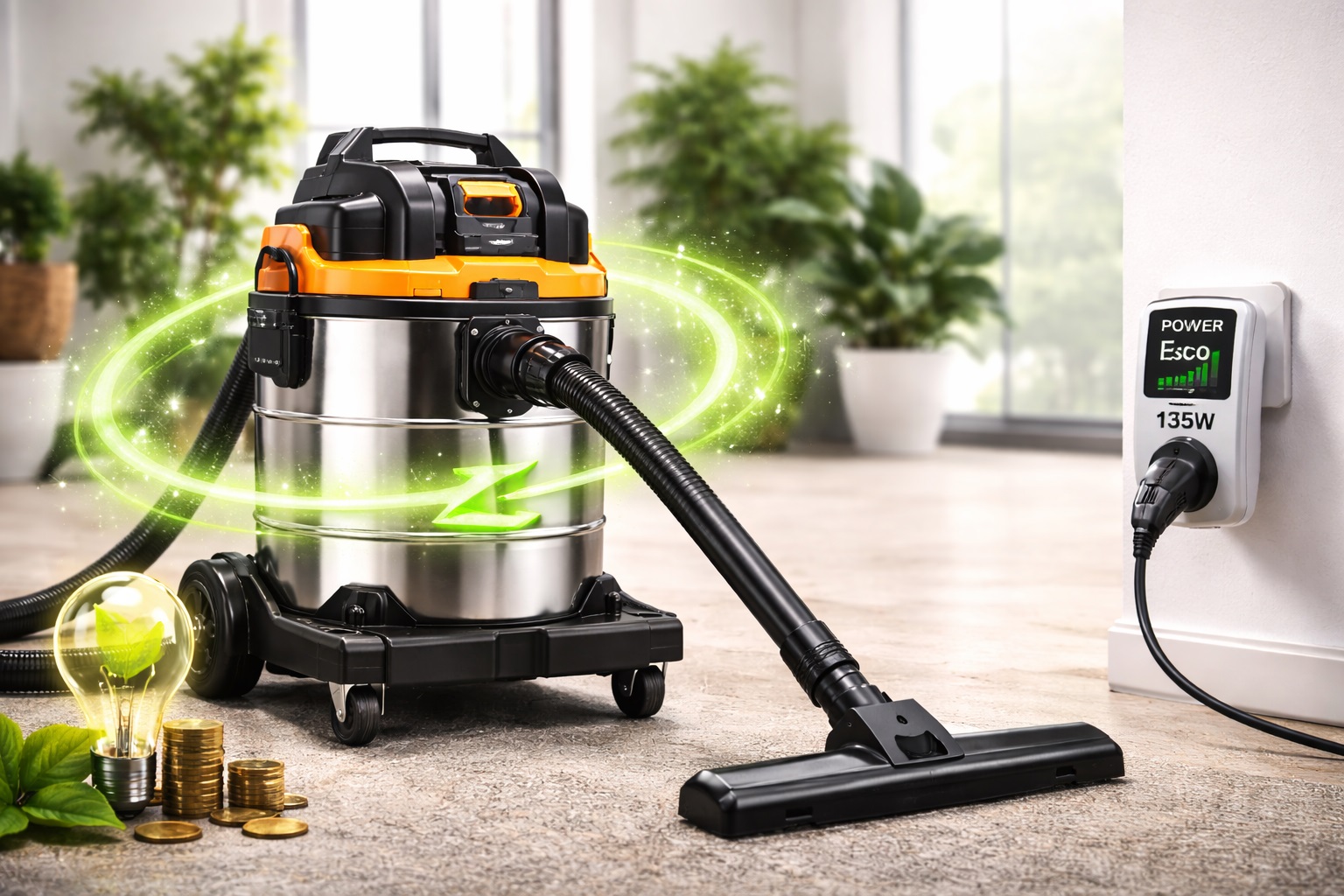
Maximizing Efficiency and Minimizing Costs in Commercial Facilities
Energy consumption is a significant concern in large facilities, whether they’re office buildings, hotels, schools, or industrial plants. For facility managers, cleaning contractors, and procurement teams in Europe, the US, and the Middle East, managing energy use in cleaning equipment can result in substantial cost savings and a lower carbon footprint.
This article explores how to optimize energy usage with energy-saving vacuum cleaners, offering practical insights on selecting the right vacuums, understanding energy-saving features, and incorporating best practices for energy-efficient cleaning in large facilities.
🧠 Why Energy Efficiency Matters in Commercial Cleaning
Cleaning accounts for a significant portion of operational costs in large facilities, and much of this cost is tied to energy usage. Vacuums, which are used frequently, are particularly impactful when it comes to energy consumption. Some vacuums may use more power than necessary, leading to higher electricity bills and increased environmental impact.
The right energy-saving vacuum can help:
Lower electricity costs
Reduce the environmental footprint of cleaning operations
Increase cleaning efficiency by optimizing suction and power usage
Key insight:
Energy-efficient vacuums not only save you money on operational costs, but they also enhance sustainability efforts by reducing energy waste and promoting eco-friendly practices.
🧩 Key Features to Look for in Energy-Saving Vacuums
1. Energy-Efficient Motors
The motor is the heart of any vacuum, and its energy efficiency can have a significant impact on overall energy consumption.
Energy-saving motors are designed to provide high suction power while consuming less electricity. Look for vacuums that feature:
Brushless motors: More energy-efficient than traditional motors, these provide longer life and lower energy consumption.
Variable suction control: Allows users to adjust power based on the cleaning task, reducing energy use when full power isn’t required.
An Energy-Saving Efficient Powerful Vacuum Cleaner often incorporates a motor that’s engineered to balance power and energy consumption, reducing energy spikes while maintaining performance.
2. Battery Optimization in Cordless Models
Cordless vacuums are becoming increasingly popular for their convenience, but battery management is crucial for energy savings.
Choose vacuums with:
Long-lasting batteries that reduce the frequency of charging
Quick-charging systems that ensure minimal downtime
Battery power management features that optimize energy use depending on the task (e.g., adjusting power settings automatically)
A Cordless Vacuum Cleaner with an energy-efficient battery will last longer on a single charge, reducing the need for multiple charging sessions and improving overall efficiency.
3. Wet-Dry Functionality to Reduce Equipment Needs
In environments where both wet and dry cleaning is required, a Wet Dry Vacuum Cleaner offers the benefit of:
Consolidating tasks with a single tool
Reducing the number of machines needed, saving on energy and storage
By integrating both wet and dry cleaning in one vacuum, you streamline operations, cutting down on electricity consumption by using fewer machines to perform multiple tasks.
4. Sealed Systems and High-Efficiency Filters
High-efficiency filters, like HEPA filters, ensure that vacuums maintain their suction power longer, even when debris begins to fill the dustbin. This reduces the amount of power required to achieve effective cleaning.
Additionally, vacuums with sealed systems prevent suction loss due to air leakage, allowing for better energy efficiency.
🧹 Best Practices for Optimizing Energy Usage in Large Facilities
1. Match Suction Power to Task Needs
One of the biggest energy drains in commercial cleaning is running vacuums at full power when it’s not necessary. For light cleaning tasks:
Use lower suction settings or switch to eco-mode to minimize energy consumption without compromising cleanliness.
Reserve high suction power for heavy-duty tasks like cleaning large debris or wet spills.
By using the right suction level for the task at hand, you can save energy and extend the life of your vacuum.
2. Implement a Maintenance Schedule
A vacuum that is poorly maintained will use more energy to perform the same task. For example:
Clogged filters or full dust bins require the vacuum to work harder, drawing more power.
Dirty brushes or worn-out motors will decrease efficiency and force the vacuum to draw more electricity.
A regular maintenance schedule ensures that filters are clean, parts are functioning properly, and the vacuum is operating at peak energy efficiency. This reduces unnecessary energy waste and increases the vacuum’s lifespan.
3. Use Cordless Vacuums for Smaller Areas and Quick Cleanups
In large facilities, there may be areas that only require short bursts of cleaning. Cordless vacuum cleaners are ideal for:
Spot cleaning small messes in hallways, offices, or meeting rooms
Cleaning high-touch areas like desks or counters
Cordless vacuums provide the flexibility to clean quickly without wasting energy on long sessions or large area coverage. Simply recharge when needed and ensure that you’re maximizing energy use during short jobs.
4. Invest in Smart Cleaning Technology
Some modern vacuums come with smart features that optimize energy usage by adjusting suction power based on the detected level of dirt or debris.
This means that the vacuum only uses the energy it needs to get the job done efficiently, which reduces unnecessary power consumption.
Smart vacuums can also be integrated into building management systems to create more energy-efficient cleaning schedules, ensuring vacuums are only used when necessary and at optimal power levels.
🔧 Troubleshooting Energy Inefficiency
1. Vacuum Overheating
If a vacuum is overheating, it could be due to:
Clogged filters
Obstructions in hoses
Damaged motor components
Solution: Perform regular cleaning, check for clogs, and ensure that the vacuum is not overworking.
2. Reduced Suction Power
If suction power is decreasing, the vacuum may require a filter change or maintenance to restore peak performance.
Solution: Replace filters regularly and ensure that the vacuum is kept free of debris to maintain suction efficiency.
3. Short Battery Life
In cordless models, battery life may diminish over time, particularly if batteries are not charged properly or if they are near the end of their lifespan.
Solution: Replace old batteries and ensure proper charging protocols are followed.
📉 ROI from Energy-Saving Vacuums
The return on investment (ROI) from energy-saving vacuums is realized through:
Lower energy bills from optimized power usage
Reduced maintenance costs from efficient vacuum performance
Improved cleaning efficiency through faster, more effective cleaning
Investing in energy-saving models, especially multi-functional vacuums, helps reduce operational costs while maintaining a high level of cleaning quality.
🧭 A Practical Energy-Efficiency Vacuum Selection Framework
| Challenge | Solution |
|---|---|
| High electricity costs | Select vacuums with energy-saving motors |
| Frequent downtime | Choose vacuums with high suction power and eco-mode |
| Short battery life | Invest in vacuums with efficient battery management systems |
| Maintenance challenges | Implement regular maintenance schedules and optimize parts |
| High cleaning demand | Use multi-functional vacuums to consolidate equipment needs |
🧠 Final Insight for Facility Managers
Energy-saving vacuums don’t just reduce electricity bills; they optimize the entire cleaning process. By choosing vacuums with efficient motors, long-lasting batteries, and smart energy management systems, you’ll not only save on energy costs but also improve your cleaning performance. The result is a more sustainable, cost-effective, and productive cleaning operation across your facility.
👥 Suitable Readers
Facility managers
Cleaning contractors
Procurement officers
Sustainability officers
B2B cleaning equipment buyers
🔖 Hashtags
wet and dry vacuum cleaner, Multi-Functional Durable Vacuum Cleaner, Energy-Saving Efficient Powerful Vacuum Cleaner, Cordless Vacuum Cleaner, Wet Dry Vacuum Cleaners, Vacuum Cleaner for Pet Hair, energy-efficient vacuum systems, commercial vacuum solutions, sustainable cleaning equipment, vacuum energy management, eco-friendly vacuums, green cleaning solutions, efficient cleaning systems, industrial vacuum systems, low energy vacuum, vacuum battery management, cleaning tools for energy savings, professional vacuum systems, multi-functional vacuums, cleaning equipment for large spaces, vacuum maintenance for efficiency, commercial cleaning strategies, long battery life vacuum, high-performance vacuum, energy-saving cleaning tools, commercial vacuum maintenance, reduced electricity costs, smart vacuum cleaning systems, green building standards, facility cleaning solutions, cleaning system optimization, eco-friendly facilities, efficient cleaning practices, high-suction vacuums, vacuum energy savings, B2B cleaning technology, sustainable cleaning practices, professional janitorial tools, commercial vacuum technology, cleaning product efficiency, Lanxstar



