Hi, message us with any questions.
We're happy to help!





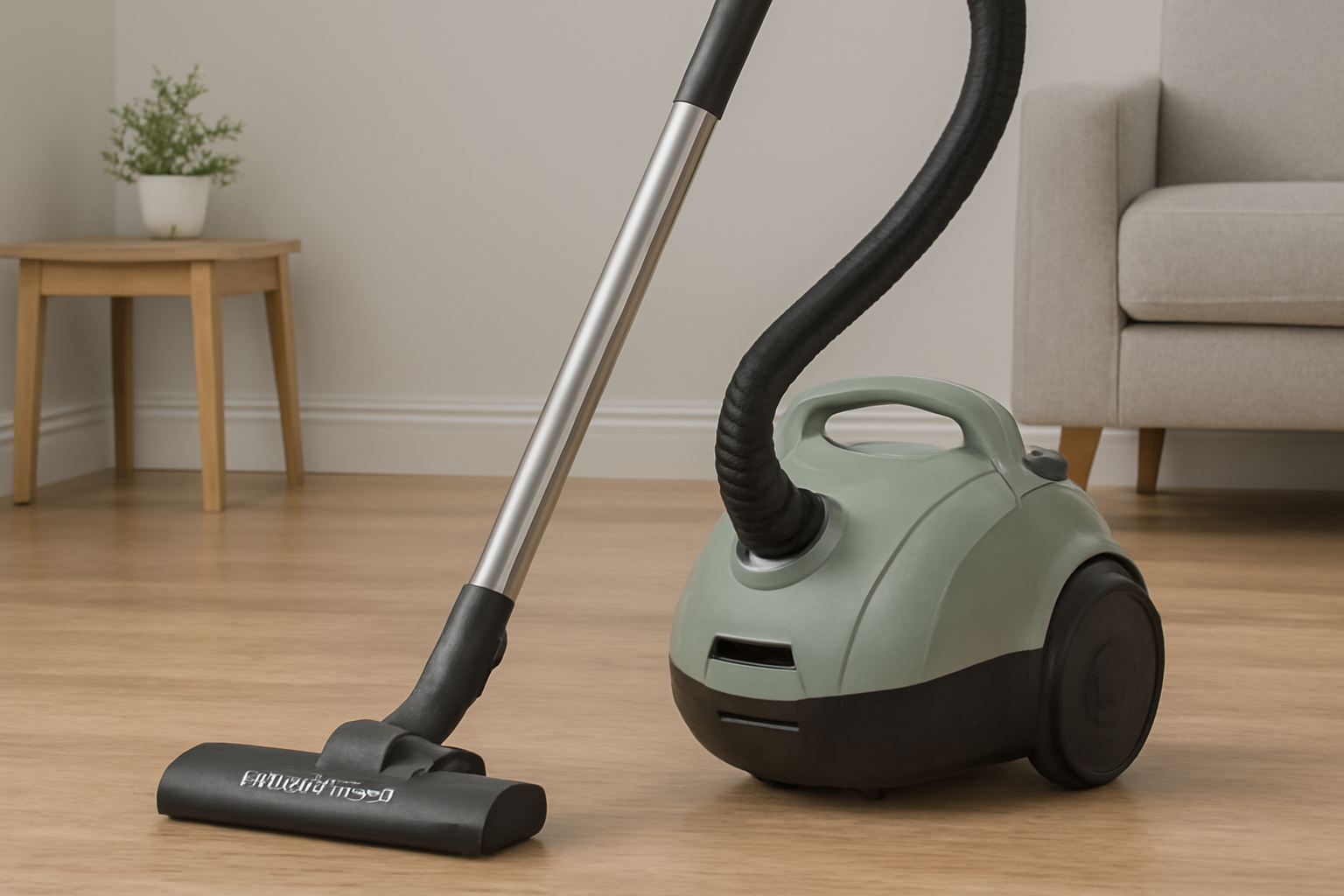
— A High-Efficiency, High-Suction, Distributor-Level Guide for Southeast Asia & Middle East Markets
Energy-saving vacuum technology is no longer just a “nice-to-have” feature.
For markets like Southeast Asia and the Middle East—where electricity prices, humidity levels, floor materials, and cleaning habits vary dramatically—energy efficiency now directly affects suction performance, consumer satisfaction, product lifespan, and distributor profit margins.
But here’s the industry truth:
Not all “Energy-Saving Efficient Powerful Vacuum Cleaner” models are engineered the same.
Many brands reduce power consumption by sacrificing suction.
Excellent brands achieve both efficiency and performance.
This article serves as a deep technical guide for SEA & MEA vacuum cleaner distributors.
It explains how to identify genuinely efficient, powerful machines—and how technologies like high-suction engineering, self-cleaning rollers, upright designs, and compact car-cleaning solutions form a complete energy-optimized cleaning ecosystem for modern homes.
Ⅰ. ⚡ Why Energy Efficiency Has Become a Core Buying Factor in SEA & MEA
Unlike Europe and the US, energy costs and household habits in SEA/MEA markets create unique conditions:
✔ 1. Higher electricity prices in many MEA & SEA regions
Countries such as UAE, Saudi Arabia, Malaysia, Indonesia, and Thailand have rising household utility costs.
Consumers want lower electricity usage without losing suction.
✔ 2. More frequent cleaning
Dust, hair, and sand require daily cleaning—not weekly.
SEA = humidity → dust clumping
MEA = sand storms → constant accumulation
Higher cleaning frequency → energy consumption matters.
✔ 3. Mixed flooring requires more suction time
Homes include:
tile
marble
hardwood
carpets
rugs
Frequent switching of modes can waste power if the vacuum is poorly designed.
✔ 4. Multi-pet homes are increasing
Pet hair increases motor load and airflow resistance.
Energy-efficient vacuums must maintain suction without over-drawing current.
Ⅱ. 🧠 Engineering Behind True “Energy-Saving Efficient Powerful Vacuum Cleaner” Models
Energy efficiency in vacuums does not mean “low wattage.”
This is one of the biggest misunderstandings in the industry.
True efficiency = more cleaning achieved with less power wasted.
Here’s the engineering breakdown.
1. 🌪 BLDC Motor Architecture (The Heart of Efficiency)
A modern BLDC motor uses:
digital switching
reduced friction
cooler operation
precise torque control
This results in:
higher suction per watt
lower noise
lower heat buildup
longer motor lifespan
Distributors should always choose BLDC over brushed motors.
2. 🔄 High-Efficiency Airflow Path (The Hidden Efficiency Booster)
More than 30% of energy in cheap vacuums is wasted due to:
airflow turbulence
friction in air channels
narrow airflow tubes
unoptimized cyclone chambers
Efficient vacuums use:
smooth internal curves
short, wide airflow paths
optimized cyclone chambers
low-resistance particle routing
Result:
Stronger suction + lower motor load.
3. ✂️ Self-Cleaning Roller Systems Reduce Torque Load
A Portable Self-Cleaning Vacuum Cleaner drastically improves energy use.
When brushrolls are tangled with hair:
torque increases
motor draws more current
battery drains faster
suction weakens
noise increases
Self-cleaning rollers prevent clogging → stable suction at lower power draw.
This reduces:
energy waste
heat
motor strain
Self-cleaning = core energy-saving engineering.
4. 🧱 Multi-Layer Filtration Improves Flow Efficiency
A clogged filter increases motor load dramatically.
High-efficiency vacuums use:
HEPA filtration
low-resistance mesh filters
multi-stage cyclone systems
These allow air to move freely while trapping dust.
Result:
less power needed
reduced strain
stable suction
longer battery life
5. 🔊 Noise Optimization = Lower Energy Waste
Noise directly reflects air turbulence, meaning energy is being lost.
Quiet Vacuum for Night Use technology uses:
sealed chambers
acoustic foam
balanced fan blades
vibration-reduced mounts
Quiet = efficient.
Efficient = powerful.
Ⅲ. 🧹 How Upright Vacuum Cleaners Fit Into High-Efficiency Cleaning
Upright Vacuum Cleaners dominate villa-style homes because:
bigger chambers = smoother airflow
larger motors = higher suction
stable floor contact = less drag
broad nozzles = faster cleaning
sealed systems = fewer leaks
They are naturally energy-efficient if engineered well.
For MEA markets (UAE, Saudi Arabia, Qatar):
uprights remain the highest-value SKU.
Ⅳ. 🧽 The Role of High Suction Vacuum Cleaner Models in Energy Efficiency
Many distributors believe that “high suction = high power consumption.”
Wrong.
High suction, when designed with efficient airflow + BLDC motors, actually:
cleans faster
reduces cleaning time
uses less electricity overall
For example:
A 350W BLDC vacuum with excellent airflow
= stronger suction
= shorter cleaning duration
= lower total electricity use than a 600W inefficient motor
Efficiency is about task completion time, not wattage.
Ⅴ. 🐾 Pet Hair Cleaning Requires Even More Efficiency
Pet hair creates the highest motor load.
A Vacuum Cleaner for Pet Hair must:
maintain suction under resistance
avoid brushroll tangling
avoid overheating
maintain airflow through clumped fibers
Here, efficient power systems matter even more:
✔ BLDC torque
✔ self-cleaning brushroll
✔ high-efficiency cyclone
✔ optimized nozzle pressure
This prevents energy spikes and motor overload.
Ⅵ. 🚗 Car Vacuum Cleaner Systems: Energy-Saving in Micro Environments
Cars require high suction in tight spaces.
Energy-efficient handheld car vacuums rely on:
micro BLDC motors
smooth airflow channels
compact cyclone cups
low-resistance filtration
Car vacuums are the most energy-efficient cleaning segment by design.
High-volume SKUs for distributors.
Low return rate.
High cross-sell potential.
Ⅶ. 🧐 How Distributors Should Choose the Right Energy-Saving Models
✔ 1. Demand BLDC motors only
Brush motors waste 30–40% of power.
✔ 2. Evaluate “airflow per watt”
Not just suction kPa — but suction efficiency.
✔ 3. Require anti-tangle self-cleaning rollers
This is an energy efficiency feature, not just convenience.
✔ 4. Choose advanced cyclone systems
More stages = less airflow resistance.
✔ 5. Require noise < 70 dB for night use
Quiet = efficient.
✔ 6. Offer upright + handheld combos
This boosts multi-room efficiency.
✔ 7. Verify battery management systems
Important for cordless reliability.
Ⅷ. 🔮 Future Trend: Efficiency Will Become the Main Purchase Driver
By 2026, SEA & MEA markets will shift towards:
BLDC standardization
longer runtime
advanced airflow mapping
self-cleaning systems as baseline
sustainable and low-heat designs
Energy-saving will no longer be a “feature”—
It will be the minimum standard.
Distributors who move now will lead the category.
📌 Hashtags
Energy-Saving Efficient Powerful Vacuum Cleaner, Upright Vacuum Cleaners, High Suction Vacuum Cleaner, Vacuum Cleaner for Pet Hair, Portable Self-Cleaning Vacuum Cleaner, Car Vacuum Cleaner, BLDC motor vacuum, efficient home cleaning system, strong suction low-energy vacuum, quiet airflow vacuum, long-runtime vacuum cleaner, cyclone filtration vacuum, durable cleaning device, multi-surface efficient vacuum, anti-tangle cleaning system, self-cleaning brushroll vacuum, quiet vacuum engineering, whole-home cleaning vacuum, hardwood and tile vacuum, carpet deep-clean vacuum, pet dander vacuum cleaner, cordless efficient vacuum, high-power low-wattage vacuum, silent night-use vacuum, torque-optimized vacuum cleaner, airflow-optimized cleaner, automotive cleaning vacuum, premium upright cleaner, sofa and mattress vacuum, powerful portable vacuum, garage cleaning vacuum, balcony dust vacuum, energy-optimized suction system, dust and sand vacuum cleaner, lightweight efficient vacuum cleaner, advanced filtration vacuum cleaner, sustainable home cleaning device, long-life household vacuum, quiet BLDC vacuum system, fine dust removal vacuum, strong airflow efficient vacuum, home & car dual-use vacuum, smart cleaning vacuum device, low-maintenance vacuum system, energy-saving pet hair vacuum, SEA MEA distributor vacuum picks, Lanxstar