Hi, message us with any questions.
We're happy to help!





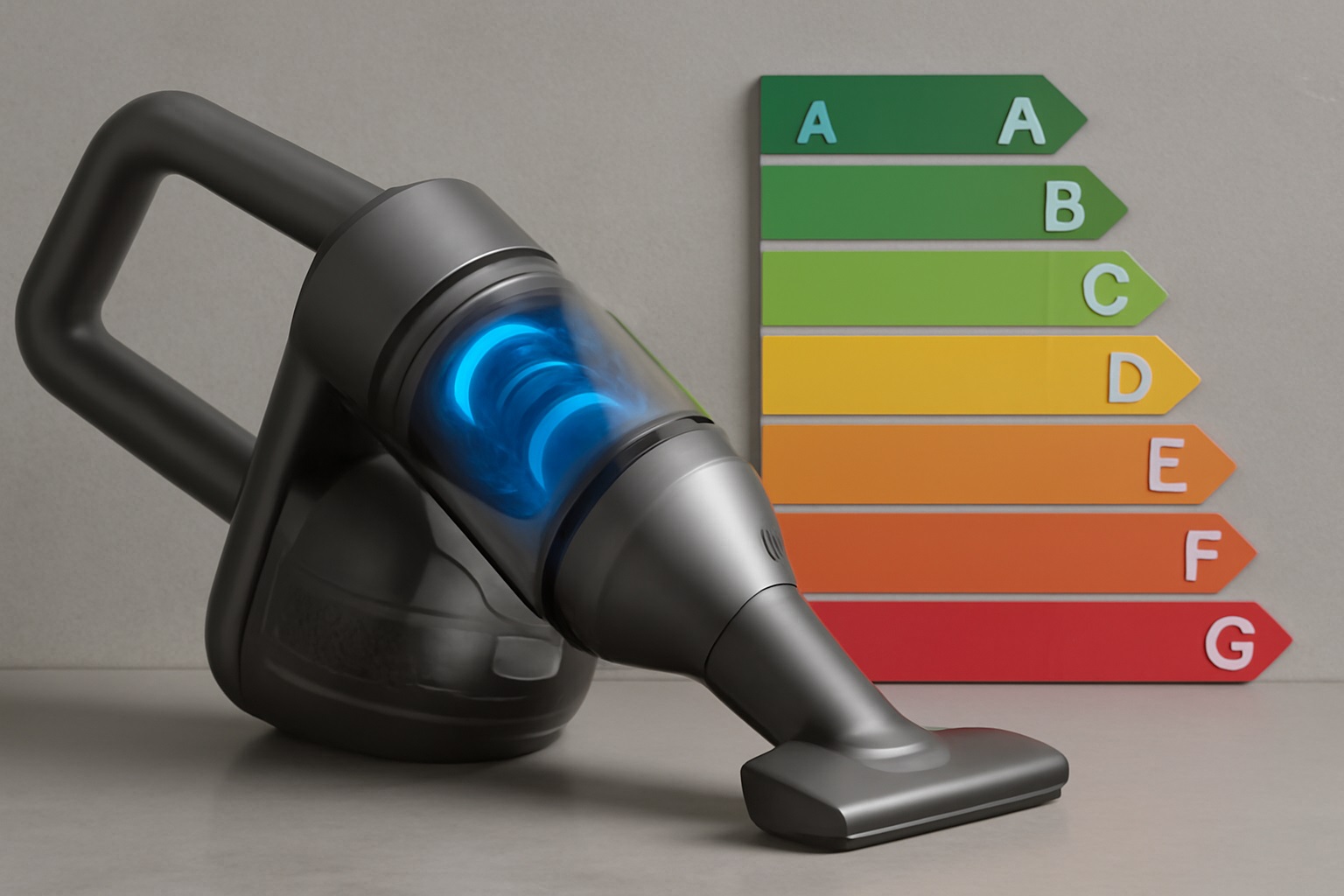
As the demand for energy-efficient vacuum cleaners continues to rise, manufacturers are pushing the boundaries of vacuum motor technology. The future of vacuum motors will focus on ultra-efficiency and low power consumption, ensuring that users can enjoy powerful cleaning without wasting energy. These innovations will play a critical role in meeting sustainability goals while delivering exceptional performance.
In this article, we explore the core technologies that will define the future of vacuum motors, examining how advancements in motor design, materials, and energy management systems will impact the performance and efficiency of future vacuums.
1. The Evolution of High-Efficiency Motors
The key to reducing energy consumption in vacuum cleaners lies in the development of high-efficiency motors. These motors are designed to extract more power from less energy, reducing overall power consumption while still providing excellent suction.
Key Features of High-Efficiency Motors:
Brushless DC motors (BLDC): Brushless motors reduce friction, leading to better efficiency and longer motor life compared to traditional brushed motors.
Optimized power-to-weight ratio: Future vacuum motors will be even lighter and more compact while still delivering powerful suction.
Advanced magnetic materials: Future motors will utilize cutting-edge materials, such as neodymium magnets, to improve motor efficiency without adding excess weight.
These innovations are already contributing to the development of energy-saving vacuums, allowing consumers to clean their homes without using excessive electricity.
Example Model:
Lanxstar’s Ultra-Efficient Vacuum Cleaner features a brushless DC motor that delivers powerful suction while using significantly less power than conventional motors.
2. Energy Management Systems for Optimized Power Use
Efficient power management is a critical component of the future vacuum motors. By integrating intelligent energy management systems (EMS), vacuums can optimize their power consumption based on cleaning requirements.
How Energy Management Systems Enhance Efficiency:
Automatic power adjustment: The motor can adjust its power output based on the floor type, dirt levels, or battery life, ensuring the vacuum consumes the least amount of energy possible while maximizing cleaning effectiveness.
Battery-saving technology: Cordless vacuums will benefit from advanced battery management systems (BMS) that ensure the vacuum operates at optimal efficiency, prolonging battery life and reducing the frequency of recharging.
Example Model:
Lanxstar’s Cordless Smart Vacuum Cleaner integrates an intelligent energy management system to monitor power consumption and automatically adjust motor performance, ensuring extended battery life without sacrificing suction power.
3. The Role of Smart Sensors and AI in Power Efficiency
The future of vacuum motors will also rely heavily on smart sensors and artificial intelligence (AI) to enhance energy efficiency. These sensors and AI systems can adapt motor performance to specific cleaning tasks, ensuring the vacuum only uses as much power as needed for each surface or dirt level.
Key Technologies in Smart Motor Control:
Dirt detection sensors: The vacuum detects areas with more dirt and increases suction power accordingly, reducing power when the surface is cleaner.
Floor-type sensors: Motors automatically adjust suction to match the surface, whether it's carpet, hardwood, or tile.
AI learning: AI algorithms enable the vacuum to learn about its environment, optimizing its motor performance based on usage patterns and home layout.
Example Model:
The Lanxstar AI-Powered Smart Vacuum uses smart sensors and AI-driven motor control to ensure optimal suction with minimal energy consumption, adapting to various cleaning environments.
4. Lightweight and Compact Motor Designs
As the demand for portable vacuums grows, vacuum motor designs are becoming more compact without sacrificing power. Future motors will focus on lightweight designs that maintain high efficiency while reducing overall weight, making it easier for users to maneuver the vacuum and store it.
Lightweight Motor Materials:
Carbon fiber composites: These materials reduce motor weight while maintaining strength and durability.
Magnesium alloys: These lightweight metals will be used in motor housings to reduce overall vacuum weight without compromising motor efficiency.
Miniaturization of components: Smaller, more efficient motor components allow for greater flexibility in vacuum design while still offering powerful suction.
Example Model:
Lanxstar’s Lightweight Cordless Vacuum Cleaner incorporates a compact, ultra-efficient motor that combines power with portability, making it ideal for quick clean-ups and hard-to-reach places.
5. Noise Reduction Technology in Future Motors
In addition to energy efficiency, noise reduction is another critical aspect of future vacuum motor design. Advances in motor insulation and vibration control will ensure that the next generation of vacuums is not only energy-efficient but also quieter.
Technologies for Quieter Operation:
Vibration damping systems: Advanced motor mounts and suspension systems reduce vibrations, preventing noise generation during operation.
Insulated motor casings: Vacuum motor housings will be designed with better noise insulation to further reduce sound levels.
Aerodynamic housing designs: Improved airflow within the motor housing will reduce the whistling and buzzing sounds often associated with traditional vacuum cleaners.
Example Model:
Lanxstar’s Silent Power Vacuum Cleaner features a next-gen motor with vibration damping and insulated casings for a quieter cleaning experience without sacrificing suction power.
6. Sustainable Materials for Motor Construction
As sustainability continues to be a driving factor in consumer purchases, the materials used to construct vacuum motors will evolve toward more eco-friendly alternatives. Manufacturers are exploring sustainable materials that not only improve motor performance but also minimize environmental impact.
Sustainable Materials in Vacuum Motors:
Recyclable motor components: Future motors will use components that are fully recyclable, reducing waste and increasing the sustainability of the product lifecycle.
Biodegradable components: Manufacturers will integrate biodegradable materials into vacuum designs, such as natural rubber and biodegradable plastics, to reduce environmental harm.
Energy-efficient materials: The use of advanced superconductors and low-resistance wiring will allow motors to operate with minimal energy loss.
Example Model:
Lanxstar’s Eco-Friendly Vacuum Cleaner uses sustainable motor components and is designed to reduce both energy consumption and environmental impact.
7. The Future of Ultra-Efficient Motors: Quantum Leap in Power
Looking ahead, quantum motor technology could be the next frontier in vacuum motor innovation. By utilizing the principles of quantum mechanics, these motors will offer unparalleled efficiency, power, and compactness. While still in the experimental phase, quantum motors could revolutionize the vacuum cleaner industry by offering significantly improved energy efficiency and performance.
What to Expect from Future Ultra-Efficient Motors:
Zero energy loss: Quantum motors could potentially eliminate energy loss, creating motors that are 100% efficient.
Compact yet powerful: Future motors may be significantly smaller while offering even greater power output.
Sustainability at the core: Quantum motors will likely be constructed with environmentally friendly materials and processes.
Example Model:
Lanxstar is actively exploring quantum motor technology for its upcoming line of high-performance vacuums, offering unprecedented efficiency and sustainability.
Conclusion
As the demand for more energy-efficient, eco-friendly, and high-performance vacuums increases, the future of vacuum motor technology is shifting toward ultra-efficiency and low power consumption. Innovations in motor design, materials, energy management, and noise reduction will make future vacuums cleaner, quieter, and more sustainable than ever before. With these advancements, the next generation of vacuum motors will deliver top-tier performance while helping consumers reduce their environmental impact.
For more information on the latest in vacuum motor technology, visit www.lxvacuum.com.
Target Audience
Global vacuum cleaner buyers
Engineers and designers in vacuum motor technology
Environmentally-conscious consumers
Smart home technology enthusiasts
Commercial vacuum cleaning businesses
Related Keywords (50 Groups)
Core Technologies in Vacuum Motors, Ultra-Efficient Vacuum Motors, Low Power Consumption Vacuum Motors, Vacuum Motor Innovation, Advanced Vacuum Motor Design, Energy-Efficient Vacuum Motors, Future Vacuum Technologies, Smart Vacuum Motor Systems, High-Efficiency Vacuum Motors, Sustainable Vacuum Cleaners, Vacuum Motor Technology, Brushless DC Motor Vacuum, Low-Energy Vacuum Motors, Compact Vacuum Motors, Vacuum Motor Power Efficiency, Smart Power Control Vacuum, Intelligent Motorized Vacuum, Motor Durability and Efficiency, Quantum Vacuum Motors, Eco-Friendly Motor Components, Sustainable Vacuum Design, Green Vacuum Technologies, Ultra-Low Power Vacuum Motor, High Torque Energy-Efficient Motor, Sustainable Motor Materials, Lightweight Vacuum Motor, Next-Gen Energy-Saving Motors, Smart Sensor Vacuum Motors, Motor Noise Reduction, Vacuum Motor Efficiency Trends, Cordless Vacuum Motor Technology, Low-Power High-Suction Vacuum, Brushless Motor Vacuum, Carbon-Neutral Vacuum Motor, Eco-Friendly Vacuum Cleaner, Long-Life Vacuum Motor, Vacuum Cleaner with Smart Motor Control, Energy-Efficient Robotic Vacuum, Low-Noise Motor Vacuum, Eco-Conscious Vacuum Motors, High-Power Low-Consumption Vacuum, Advanced Superconducting Vacuum Motors, Vacuum Motor Sustainability, Smart Charging Vacuum Motors, Quantum Energy-Efficient Motor, Multi-Surface Vacuum Motor, Efficient Robotic Vacuum Cleaner, Smart Home Vacuum Technology, Vacuum Motor with Noise Insulation.



