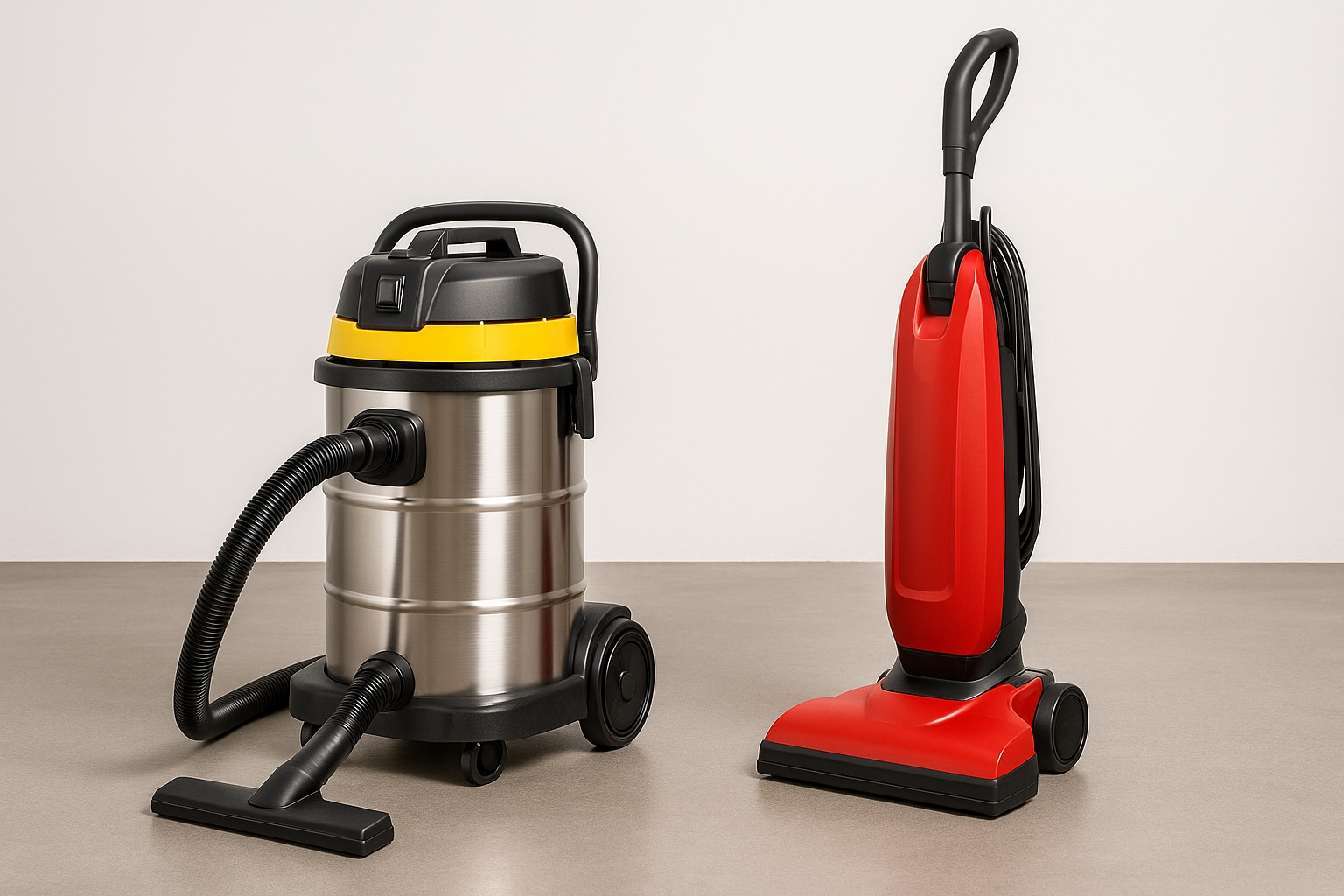
In B2B sales, success depends less on aesthetics and more on performance consistency, reliability, and long-term value. Commercial buyers evaluate vacuum cleaners very differently from residential consumers, and this distinction plays a critical role in determining which products perform best in B2B channels.
When comparing barrel vacuum cleaners and upright vacuum cleaners, distributors must understand how each type aligns with professional buyer expectations, sales processes, and commercial purchasing behavior.
1. Understanding B2B Buyer Expectations 🧠
Commercial buyers typically focus on:
Barrel vacuum cleaners are designed around these priorities, while upright vacuums are often optimized for consumer convenience and retail appeal.
2. Sales Cycle Length and Deal Structure ⏳
Upright vacuum cleaners usually sell through:
Barrel vacuum cleaners are sold via:
Longer, consultative sales cycles
Specification-based evaluation
Contract or repeat purchasing
Although longer, B2B sales cycles for barrel vacuums often result in larger order sizes and stronger customer loyalty.
3. Pricing Strategy and Margin Control 💰
In B2B markets, pricing is closely tied to perceived value.
Upright vacuums:
Compete heavily on price
Are easily substituted
Face margin pressure
Barrel vacuums:
Support value-based pricing
Emphasize durability and performance
Maintain healthier margins
For B2B sales teams, barrel vacuum cleaners offer greater flexibility in negotiation without sacrificing profitability.
4. Scalability Across Commercial Applications 🏢
B2B buyers often operate across multiple sites.
Barrel vacuum cleaners scale effectively across:
Offices and business parks
Hotels and hospitality facilities
Warehouses and industrial locations
Cleaning service companies
Upright vacuums are less adaptable across varied commercial environments, limiting their scalability in B2B portfolios.
5. Standardization and Fleet Management 📦
Commercial customers favor standardized equipment fleets.
Barrel vacuum cleaners:
Upright vacuums frequently change designs and specifications, complicating fleet management and long-term contracts.
6. After-Sales Service and Relationship Value 🔄
Strong B2B sales rely on ongoing service relationships.
Barrel vacuums generate:
Recurring demand for filters and accessories
Maintenance and service opportunities
Long-term account relationships
Upright vacuums typically result in one-time sales with limited post-sale engagement.
7. Risk Management for Distributors 📉
Distributors must manage risk across inventory, warranty, and returns.
Barrel vacuum cleaners:
Upright vacuum cleaners carry higher risks due to price competition, faster obsolescence, and consumer-driven demand shifts.
B2B Sales Performance Comparison
From a B2B sales standpoint:
Upright vacuum cleaners: faster individual sales, lower margins, limited scalability
Barrel vacuum cleaners: longer sales cycles, higher margins, stronger repeat business
For distributors focused on professional markets, barrel vacuum cleaners consistently outperform upright models.
Conclusion: Winning B2B Sales Requires Professional Alignment
In the commercial vacuum cleaners showdown, barrel vacuum cleaners align more closely with B2B buyer expectations, sales structures, and long-term value creation. While upright vacuums maintain relevance in consumer and retail channels, barrel vacuums deliver superior results in professional B2B sales environments.
For distributors aiming to strengthen vacuums procurement and vacuum cleaner distribution strategies in commercial markets, barrel vacuum cleaners provide a clearer path to scalable, high-quality B2B growth.
For professional vacuum solutions and long-term cooperation opportunities, visit www.lxvacuum.com.
Target Readers
Vacuum cleaner distributors and wholesalers
B2B sales managers and key account teams
Commercial cleaning equipment importers
Facility management suppliers
OEM and private-label vacuum brands
50 Related Keyword Groups
barrel vacuum cleaner, upright vacuum cleaner, commercial vacuum B2B sales, professional vacuum equipment, B2B vacuum distribution, vacuum cleaner distributor, vacuum cleaner wholesale, barrel vs upright vacuum comparison, commercial cleaning equipment sales, industrial vacuum cleaner, professional cleaning equipment wholesale, vacuum cleaner sales strategy, B2B vacuum market analysis, commercial vacuum pricing strategy, durable commercial vacuum, vacuum cleaner lifecycle value, vacuum after-sales service, B2B cleaning equipment sales, vacuums procurement, vacuum cleaner distribution, Lanxstar vacuum cleaner, commercial vacuum supplier, industrial vacuum distributor, professional vacuum solutions, B2B sales enablement, vacuum cleaner channel strategy, commercial vacuum scalability, vacuum fleet standardization, cleaning equipment distributor strategy, vacuum cleaner margin management, B2B vacuum customer behavior, commercial vacuum investment, vacuum cleaner logistics planning, professional cleaning market B2B, wholesale vacuum cleaner business, vacuum cleaner sales cycle, commercial vacuum growth strategy, B2B cleaning equipment profitability, vacuum cleaner inventory risk, vacuum distribution performance, professional vacuum sales model











