Hi, message us with any questions.
We're happy to help!





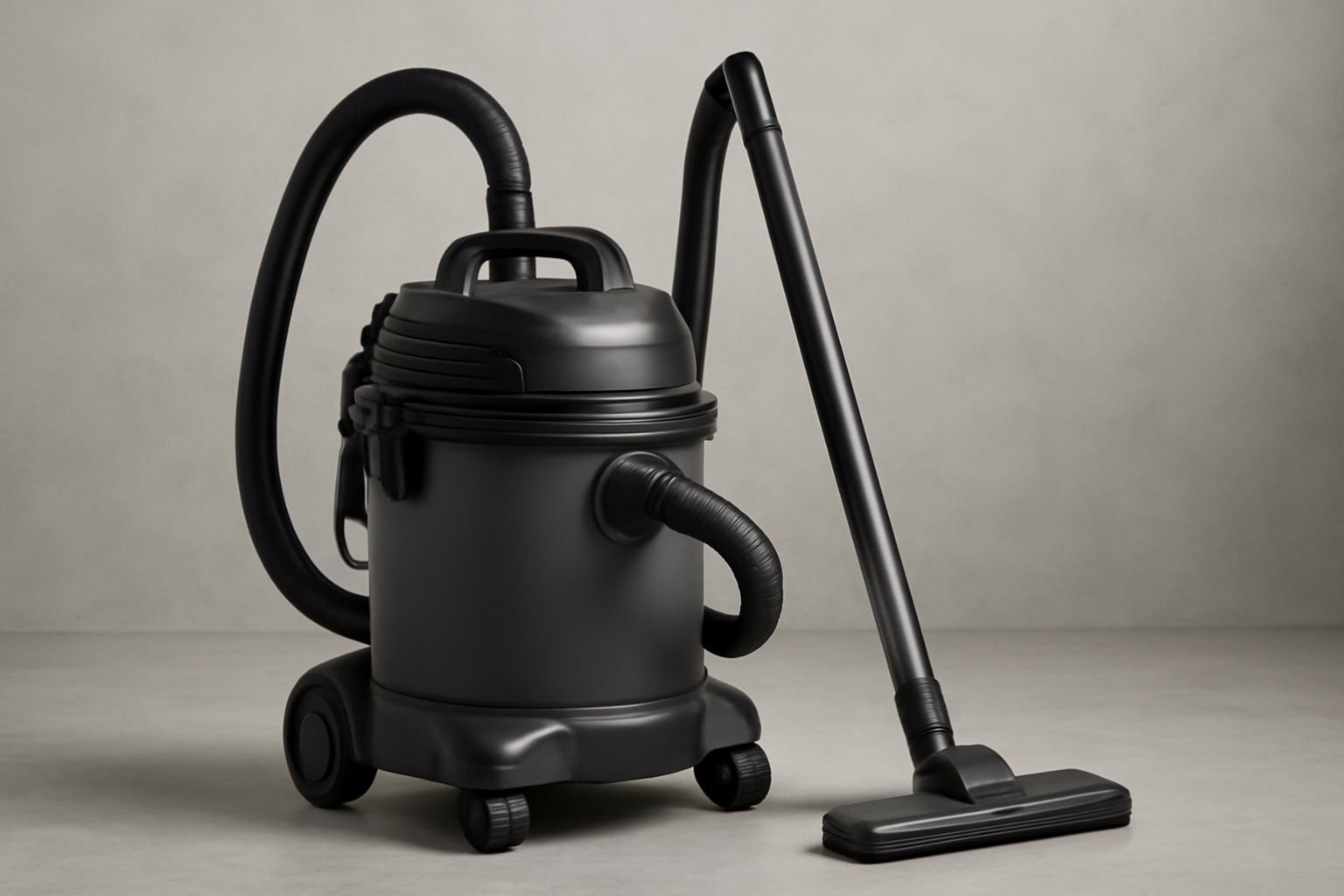
🌍 1. European Environmental and Energy-Saving Regulations: An Overview
As part of its commitment to sustainability, Europe has set rigorous environmental and energy-saving regulations aimed at reducing energy consumption and lowering carbon footprints across industries, including commercial cleaning. These regulations push businesses to choose eco-friendly equipment and adopt practices that conserve energy while maintaining high cleaning standards.
In the commercial cleaning sector, vacuum cleaners are a key focus due to their widespread use in offices, hotels, hospitals, and other large establishments. As energy-efficient cleaning solutions become increasingly necessary, understanding the impact of these regulations is crucial for businesses looking to comply with legal standards and reduce operational costs.
Key Regulations to Know:
Eco-Design Directive: This directive focuses on improving the environmental performance of energy-related products, including vacuum cleaners. It sets minimum energy efficiency standards for devices sold in the EU.
Energy Labeling: Vacuum cleaners in the EU must display an energy label that indicates their energy consumption. This labeling helps businesses select products that meet both energy efficiency and performance standards.
Waste Electrical and Electronic Equipment (WEEE) Directive: This directive ensures the proper disposal of electrical products, including vacuum cleaners, to promote recycling and minimize waste.
🔋 2. Energy-Saving Features Driving Commercial Vacuum Trends
Energy-saving features are among the top priorities for businesses in Europe looking to comply with the EU's energy regulations. Commercial cleaning equipment manufacturers are increasingly focusing on developing high-performance vacuum cleaners that consume less energy without compromising on power or efficiency.
Key Trends in Energy-Efficient Commercial Vacuum Cleaners:
Low Energy Consumption: Modern Energy-Saving Efficient Powerful Vacuum Cleaners are designed to use less electricity while maintaining optimal suction. These vacuums reduce operating costs and help businesses achieve sustainability goals.
Real-Life Example:
Hotel Chains in Paris are switching to energy-efficient Upright Vacuum Cleaners that consume less energy while maintaining powerful suction. This change has led to noticeable savings on energy bills, aligning with the hotel's sustainability initiatives.
Variable Power Settings: Many commercial vacuums now come with adjustable suction settings that allow users to tailor the vacuum's power based on the floor type and cleaning needs. This multi-functional feature reduces energy consumption when cleaning lighter areas like hard floors or when performing quick touch-ups.
Longer Battery Life for Cordless Models: For commercial cordless vacuum cleaners, manufacturers are focusing on improving battery life while maintaining high suction power. This trend reduces charging times and improves overall efficiency, making them ideal for businesses operating in large spaces like offices or stores.
🧼 3. Multi-Functional and Durable Commercial Vacuum Cleaners
As businesses aim to reduce their environmental impact, they are also looking for multi-functional durable vacuum cleaners that offer versatility and long-term performance. These vacuums can be used in a variety of commercial spaces, from carpets and rugs to hard floors and tile surfaces, helping businesses meet diverse cleaning needs with a single, cost-effective solution.
Key Features Driving Demand for Multi-Functional Vacuum Cleaners:
Wet and Dry Cleaning Capabilities: Wet and Dry Vacuum Cleaners are becoming increasingly popular in commercial spaces where both dry dirt and liquid spills need to be managed. These vacuums can handle a wide range of messes, reducing the need for multiple cleaning devices.
Real-Life Example:
A corporate office in London that faces frequent spills and dirt tracked in by employees adopted a Wet and Dry Vacuum Cleaner. This machine’s multi-functionality allowed them to clean both wet messes and dry debris efficiently, reducing their equipment footprint and maintenance costs.
Durability for Heavy Use: Commercial vacuums are designed for high-traffic environments, where equipment must withstand constant use. As part of the growing trend of multi-functional durable vacuum cleaners, these models offer longer service life, reducing the need for frequent replacements and contributing to waste reduction.
Easy to Maintain: Businesses are looking for vacuums that are simple to clean and maintain. Models with self-cleaning functions or those that require minimal maintenance are growing in popularity due to their convenience and ability to keep downtime to a minimum.
🏢 4. Vacuum Cleaners Tailored for Commercial Spaces: Apartment and Office Use
Businesses with offices or apartment buildings are choosing specialized vacuum cleaners that meet the specific needs of commercial spaces. These vacuums are designed to handle both hard floors and carpeted areas, ensuring thorough cleaning in mixed-use environments.
Key Considerations for Commercial Spaces:
Compact and Portable Vacuum Cleaners: For office environments or smaller commercial spaces, vacuums that are lightweight and compact, such as Portable Vacuum Cleaners or Apartment Vacuum Cleaners, are essential. These vacuums are easy to maneuver around tight spaces, desks, and furniture.
Quiet Operation: In commercial spaces like hotels, offices, and hospitals, quiet vacuum cleaners are preferred to minimize disruptions. Manufacturers are designing vacuums with sound-reducing technology, ensuring that cleaning can take place without disturbing employees or guests.
Example:
A hotel in Amsterdam upgraded to Upright Vacuum Cleaners that not only meet energy efficiency standards but also operate quietly, allowing the cleaning staff to clean guest rooms during peak hours without disturbing the guests.
🌱 5. Environmental Impact and Sustainable Practices in Vacuum Cleaner Manufacturing
As part of Europe’s push toward sustainability, vacuum cleaner manufacturers are increasingly focused on reducing the environmental impact of their products. This includes using recycled materials in construction, designing for ease of repair rather than disposal, and developing vacuum models that can be recycled at the end of their life cycle.
Sustainable Trends in Commercial Vacuum Manufacturing:
Use of Recycled Materials: Manufacturers are integrating recycled plastics and other eco-friendly materials into their vacuum cleaners, reducing the overall environmental footprint of the product.
Extended Product Life Cycle: Companies are designing vacuums that can be easily repaired or upgraded rather than disposed of. This is part of the circular economy approach that minimizes waste and promotes sustainable practices.
Conclusion: Navigating European Regulations with Energy-Efficient Commercial Vacuum Cleaners
As Europe continues to enforce stringent environmental and energy-saving regulations, businesses must adapt by choosing energy-efficient and multi-functional vacuum cleaners that meet these standards. Whether opting for Upright Vacuum Cleaners, Wet and Dry Vacuum Cleaners, or Energy-Saving Efficient Powerful Vacuum Cleaners, commercial enterprises in Europe are moving toward cleaner, more sustainable options that help reduce energy consumption and improve overall operational efficiency.
Article Summary:
This article explores the key trends in commercial cleaning equipment under European environmental and energy-saving regulations. It highlights the importance of energy-efficient vacuum cleaners, multi-functional and durable models, and the growing demand for vacuum cleaners designed for commercial spaces. With a focus on HEPA filters, energy savings, and sustainability, businesses are adapting to comply with European regulations while improving operational efficiency.
Hashtags:
UprightVacuumCleaners, HouseholdVacuumCleaners, EnergySavingEfficientVacuumCleaner, MultiFunctionalDurableVacuumCleaner, WetAndDryVacuumCleaner, ApartmentVacuumCleaner, CommercialVacuumSolutions, EcoFriendlyVacuum, SustainableVacuumManufacturing, EnergyEfficientVacuum, HEPAFilterVacuumCleaner, PowerfulVacuumCleaners, HighSuctionVacuumCleaner, CleaningEquipmentTrends, CircularEconomyVacuum, CommercialCleaningSolutions, SustainableCleaningEquipment, LowEnergyVacuum, EcoDesignDirective, MultiSurfaceVacuum, HotelVacuumSolutions, OfficeVacuumCleaners, DurableCleaningEquipment, QuietVacuumCleaners, HotelCleaningVacuum, EURegulationsVacuum, EnergyEfficiencyVacuum.