Hi, message us with any questions.
We're happy to help!





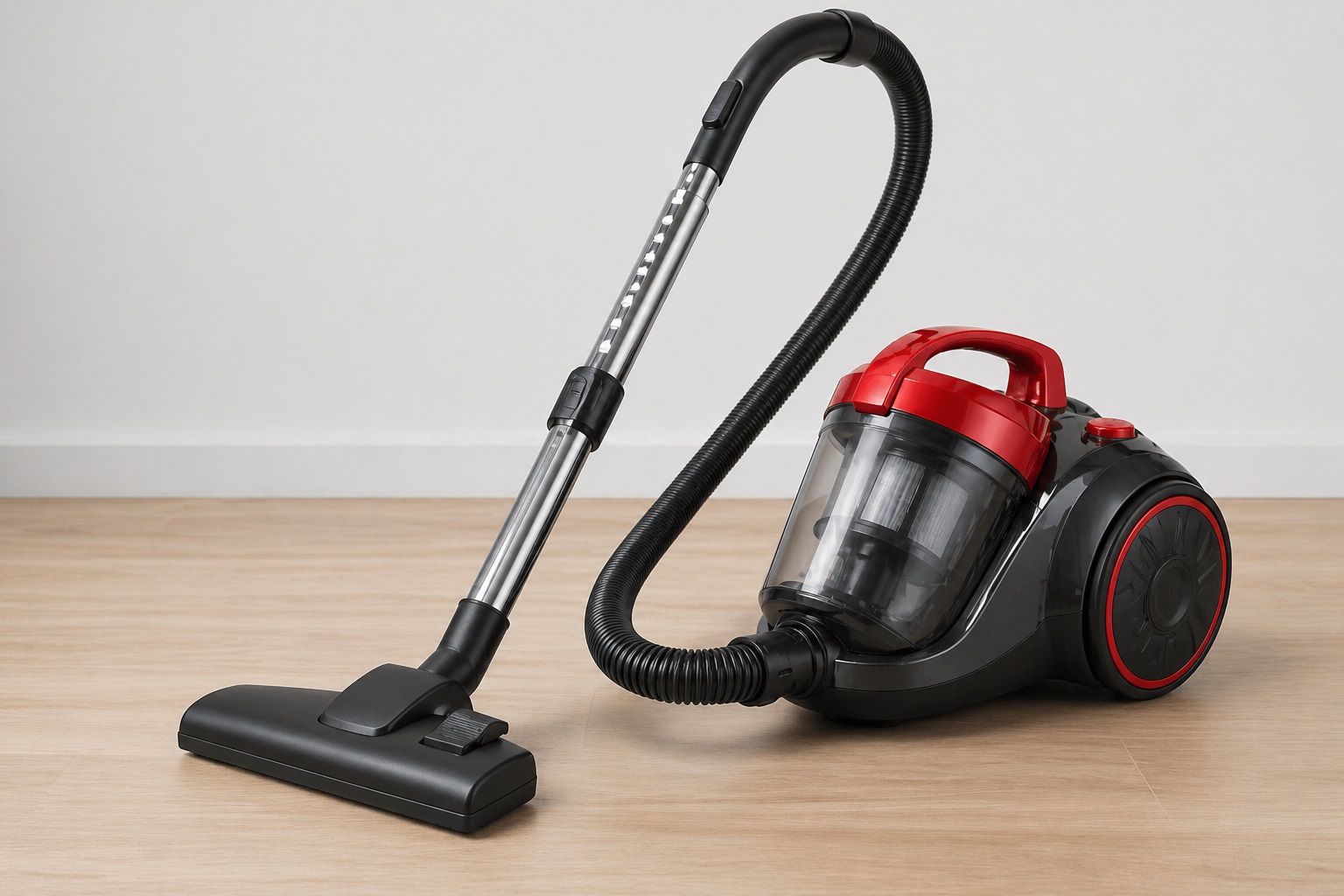
The global vacuum market is not upgrading—it’s recalibrating.
👉 Industry Reality:
In 2026, companies are not winning by selling better products—they are winning by building better cost structures.
This is why the low cost vacuum cleaner segment is rapidly overtaking premium categories across Europe and North America.
Most distributors still think this is a “price war.”
It’s not.
👉 It’s a value efficiency revolution, driven by supply chain optimization, smarter sourcing, and evolving consumer expectations.
This guide breaks down why affordable vacuum cleaner products are dominating, supported by real case studies—and more importantly, how you can profit from it.
💰 1. The Market Shift: From Premium Obsession to Value Optimization
Consumers are no longer chasing the “best” product—they are choosing the most rational purchase.
Drivers:
Inflation pressure
E-commerce price transparency
Faster product replacement cycles
📌 Case Study: UK Retail Restructuring
A UK retailer reduced premium SKUs by 40% and expanded its affordable vacuum cleaner range.
Results in 9 months:
Unit sales +65%
Revenue +22%
No significant increase in returns
👉 Insight:
Volume-driven affordability now beats low-volume premium positioning.
🏭 2. China’s Advantage: System Efficiency, Not Just Low Cost
The dominance of vacuum cleaner manufacturer China is often misunderstood.
It’s not about cheap labor anymore—it’s about:
Fully integrated supply chains
Automation
Component standardization
📌 Case Study: EU Importer Optimization
A European importer switched to an integrated Chinese supplier.
Results:
Cost reduced by 18%
Lead time improved by 25%
Product consistency increased
👉 Conclusion:
China wins because of efficiency at scale, not price dumping.
📦 3. Wholesale Model = Faster Cash Flow
The rise of wholesale vacuum cleaner sourcing is changing how distributors grow.
Benefits:
Lower unit cost
Faster turnover
Better cash flow cycles
📌 Case Study: Spain Distributor Scaling
A distributor focused on bulk budget cleaning machine sourcing.
Results:
Inventory turnover +40%
Expanded into 3 new regions
Improved liquidity
👉 Key Takeaway:
Speed of sales matters more than margin per unit.
⚙️ 4. “Good Enough” Technology Is Winning the Mass Market
Modern low cost vacuum cleaner models now deliver:
Strong suction
HEPA filtration
Lightweight usability
📌 Case Study: Germany E-commerce Shift
A seller replaced premium listings with optimized affordable vacuum cleaner options.
Results:
Conversion rate +30%
Stable return rate
Ratings remained high
👉 Insight:
Consumers buy performance thresholds, not maximum specs.
🌍 5. Emerging Markets Are Driving Global Demand Growth
The fastest growth in the global vacuum market comes from:
Eastern Europe
Southeast Asia
Latin America
📌 Case Study: Eastern Europe Entry Strategy
A distributor launched budget cleaning machine products in Poland and Romania.
Results:
Rapid adoption
Low marketing cost
High repeat purchase
👉 Conclusion:
Affordability unlocks new markets faster than premium positioning.
🧩 6. Modular Design Is Changing the Economics of “Cheap”
Low-cost no longer means disposable.
Modern designs include:
Replaceable filters
Modular components
📌 Case Study: Italy After-Sales Optimization
An Italian distributor adopted modular wholesale vacuum cleaner models.
Results:
Repair cost -35%
Customer satisfaction increased
👉 Insight:
Lifecycle cost is becoming more important than purchase price.
🚚 7. Logistics Optimization = Hidden Profit Engine
Shipping efficiency is often ignored—but critical.
Innovations:
Compact packaging
Stackable product design
📌 Case Study: Netherlands Cost Reduction
A distributor reduced logistics cost by 15% via packaging optimization.
👉 Lesson:
True “low cost” includes logistics, not just manufacturing.
🏷️ 8. Private Label Is the Real Margin Multiplier
Distributors are leveraging vacuum cleaner manufacturer China for branding.
Benefits:
Higher margins
Brand ownership
Market differentiation
📌 Case Study: France Private Label Growth
A distributor launched a private label affordable vacuum cleaner line.
Results:
Margin +50%
Strong market positioning
👉 Takeaway:
Brand control turns low cost into high profit.
📊 9. Smart Buyers Compete with Data, Not Price
Top distributors now evaluate:
Defect rate
Delivery reliability
Production scalability
📌 Case Study: Belgium Supplier Upgrade
A buyer switched based on data instead of price.
Results:
Defect rate dropped from 10% → 2%
Stronger retail partnerships
👉 Reality:
The cheapest supplier often creates the highest hidden cost.
🧠 10. How to Profit from Low-Cost Vacuum Cleaners (Action Framework)
✅ Step 1: Build a Dual Product Strategy
Entry-level → volume
Mid-tier → margin
✅ Step 2: Focus on High-Turnover Models
Avoid slow premium inventory
✅ Step 3: Choose Export-Ready Suppliers
Certifications (CE, UL)
Stable delivery
🎯 11. What You Should Actually Source in 2026 (Quick List)
If you’re a European distributor, prioritize:
Entry-level cordless low cost vacuum cleaner (high volume driver)
Compact affordable vacuum cleaner (e-commerce optimized)
Industrial budget cleaning machine (high-margin niche)
Wet & dry models for commercial use
Lightweight stick vacuums for urban markets
👉 Pro Insight:
These categories combine fast turnover + scalable demand + manageable risk
❗ Real Failure Case: When Low Cost Becomes High Risk
📌 Case Study: UK Importer Loss
A UK buyer sourced ultra-cheap products without verification.
Result:
20% defect rate
Retail rejection
Loss exceeded $80,000
👉 Lesson:
Low cost is a strategy—not the lowest price.
Conclusion: The Future Is Efficient vs Inefficient
👉 The vacuum industry is no longer divided into premium vs budget.
👉 It is divided into efficient vs inefficient business models.
Distributors who win in 2026 will:
Optimize sourcing systems
Build private label strategies
Focus on high-turnover products
👉 Final Insight:
Top suppliers from China are already locking in orders for 2026. Waiting 60–90 days could mean missing the best production capacity.
📌 Target Audience
European vacuum cleaner distributors
📌 Hashtags
low cost vacuum cleaner, affordable vacuum cleaner, global vacuum market, vacuum cleaner manufacturer china, wholesale vacuum cleaner, budget cleaning machine, cheap vacuum cleaner supplier, OEM vacuum cleaner, ODM vacuum cleaner, private label vacuum cleaner, commercial vacuum cleaner, industrial cleaning equipment, portable vacuum cleaner, cordless vacuum cleaner budget, vacuum cleaner wholesale Europe, vacuum cleaner USA market, cleaning equipment supplier, factory direct vacuum cleaner, bulk vacuum cleaner, economy vacuum cleaner, cost effective vacuum cleaner, entry level vacuum cleaner, vacuum cleaner sourcing China, vacuum cleaner distributor Europe, cleaning tools wholesale, vacuum cleaner export supplier, CE certified vacuum cleaner, UL vacuum cleaner supplier, energy efficient vacuum cleaner, lightweight vacuum cleaner, home cleaning devices, vacuum cleaner R&D, smart vacuum budget, vacuum cleaner supply chain, vacuum cleaner procurement, cleaning equipment market, vacuum cleaner private brand, low price vacuum cleaner, high value vacuum cleaner, durable vacuum cleaner, vacuum cleaner logistics optimization, vacuum cleaner packaging design, vacuum cleaner cost control, vacuum cleaner production efficiency, global cleaning equipment market, vacuum cleaner innovation, budget appliance supplier, vacuum cleaner B2B, Lanxstar