Hi, message us with any questions.
We're happy to help!





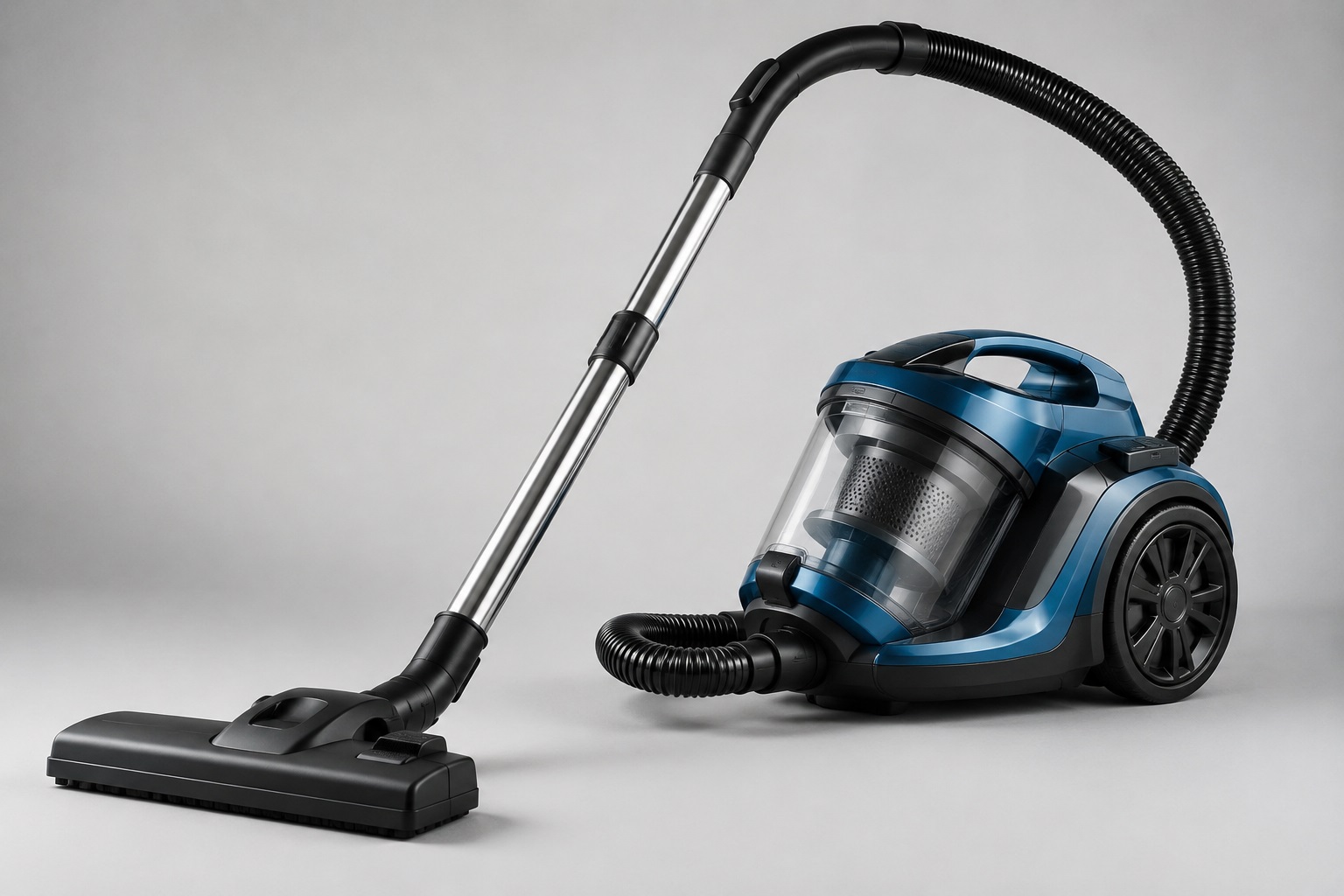
Why CE Compliance Is No Longer Optional for Global Vacuum Cleaner Brands
For many manufacturers, CE certification used to feel like a routine export procedure.
Today, it has become something far more important:
a market survival requirement.
European buyers are becoming stricter.
Customs inspections are becoming smarter.
Online marketplaces are becoming more compliance-driven.
And for a modern vacuum cleaner manufacturer or OEM vacuum supplier, failing CE compliance no longer means “delayed paperwork.”
It can mean:
blocked shipments,
frozen marketplace accounts,
customs seizures,
distributor disputes,
and permanent brand damage.
This is why understanding CE certification vacuum cleaner requirements is now essential for any company exporting to Europe.
This article is written specifically for:
European vacuum cleaner importers
OEM sourcing managers
B2B appliance buyers
Vacuum cleaner product engineers
Home appliance distributors
More importantly, this guide focuses on practical execution — not generic compliance theory.
📌 What CE Certification Actually Means for Vacuum Cleaners
⚡ 1. CE Marking Is a Legal Responsibility — Not Just a Label
One of the biggest misunderstandings in the appliance industry:
Many factories believe CE certification is simply a logo printed on packaging.
It is not.
CE marking represents a manufacturer’s legal declaration that the product complies with European safety, health, and environmental regulations.
For vacuum cleaners, CE compliance usually involves several directives and testing requirements.
The most common include:
| Compliance Area | Purpose |
|---|---|
| LVD (Low Voltage Directive) | Electrical safety |
| EMC (Electromagnetic Compatibility) | Prevents electronic interference |
| RoHS | Restricts hazardous substances |
| ERP/Energy Regulations | Energy efficiency standards |
| REACH | Chemical substance compliance |
This is why a proper CE certification vacuum cleaner guide must involve engineering, documentation, testing, and production consistency.
Not just certificates.
🔍 Why European Buyers Are Becoming More Strict
🛒 2. Marketplaces and Customs Are Increasing Compliance Checks
In the past, some low-cost exporters entered Europe with incomplete documentation.
That environment is changing rapidly.
Today:
Amazon Europe,
large distributors,
customs authorities,
and even insurance companies
are increasing product verification procedures.
Many European importers now request:
Declaration of Conformity (DoC)
EMC reports
LVD test reports
RoHS verification
Technical construction files
before placing orders.
For a professional OEM vacuum supplier, transparency is becoming a competitive advantage.
📈 The Biggest Shift in EU Compliance
🚨 3. Europe Is Moving From “Document Review” to “Traceable Compliance”
This is one trend many exporters still underestimate.
European regulators increasingly care about:
traceability,
supplier accountability,
and long-term product consistency.
This means buyers are no longer only checking:
“Do you have a certificate?”
They are asking:
Who issued it?
Is the lab accredited?
Is the report authentic?
Does production match the tested sample?
Cheap certificates are becoming dangerous.
Reliable compliance systems are becoming valuable.
🛠️ The Core CE Requirements for Vacuum Cleaners
⚙️ 4. What Vacuum Cleaner Manufacturers Must Prepare
A professional vacuum export certification process normally includes several critical components.
✅ Product Safety Testing
Ensures:
electrical protection,
overheating resistance,
insulation safety,
fire risk reduction.
✅ EMC Testing
Confirms the vacuum cleaner does not interfere with:
WiFi,
televisions,
medical devices,
or other electronics.
This is especially important for:
cordless vacuums,
smart vacuums,
and robot vacuum cleaners.
✅ RoHS Compliance
Ensures restricted hazardous materials remain below EU limits.
✅ Technical Documentation
One of the most overlooked areas.
European authorities may request:
schematics,
BOM lists,
PCB information,
user manuals,
warning labels,
and testing records.
The companies failing audits are often the ones with weak documentation systems.
⚠️ Common CE Certification Mistakes Vacuum Cleaner Factories Make
❌ 5. The Most Expensive Compliance Errors
After reviewing sourcing feedback from multiple European buyers, several recurring problems appear repeatedly.
❌ Using fake or recycled certificates
Some factories reuse reports from unrelated products.
This creates enormous legal risk.
❌ Changing components after testing
Factories sometimes switch:
motors,
batteries,
PCBs,
or adapters
after certification.
This can invalidate compliance.
❌ Weak user manuals
Poor English instructions reduce buyer trust immediately.
❌ Missing warning labels
Incorrect labeling is one of the fastest ways to trigger customs problems.
❌ No long-term document storage
EU regulations increasingly require traceable compliance history.
The smartest manufacturers now treat compliance like part of product engineering — not a sales attachment.
🔬 Why Engineering Teams Matter More Than Sales Teams
🧠 6. Compliance Is Becoming an R&D Issue
One major industry shift:
CE compliance is no longer controlled only by sales departments.
Today, successful exporters involve:
hardware engineers,
quality managers,
testing specialists,
and sourcing teams
much earlier during product development.
For example:
A cordless vacuum cleaner may fail EMC testing because of:
poor PCB shielding,
unstable motor drivers,
weak adapter grounding,
or battery interference.
These are engineering problems.
Not paperwork problems.
The best vacuum cleaner manufacturers now integrate EU compliance during the design phase instead of fixing issues after production.
That reduces:
certification delays,
retesting costs,
and shipment risks.
🌍 How European Buyers Evaluate OEM Vacuum Suppliers
🤝 7. Buyers Care About Compliance Stability — Not Just Low Prices
Many factories still believe European buyers choose suppliers mainly based on quotations.
Experienced importers think differently.
They evaluate:
compliance reliability,
documentation systems,
factory consistency,
engineering capability,
and audit transparency.
A trustworthy OEM vacuum supplier usually provides:
| Buyer Expectation | Why It Matters |
|---|---|
| Accredited lab reports | Reduces legal risk |
| Stable component sourcing | Maintains certification validity |
| Internal QC procedures | Improves shipment consistency |
| Technical file support | Helps importer compliance |
| Multilingual documentation | Supports EU distribution |
In today’s market, compliance professionalism often determines long-term partnerships.
🚢 Hidden Risk: Marketplace Compliance Enforcement
📦 8. Amazon Europe Is Becoming More Aggressive
One major trend many exporters ignore:
Amazon Europe increasingly removes listings linked to weak compliance documentation.
Sellers may suddenly receive requests for:
EMC reports,
CE declarations,
RoHS records,
authorized representative details,
and traceable manufacturer information.
Without proper files:
listings can disappear,
inventory can freeze,
and accounts may face restrictions.
This is why modern EU compliance vacuum strategy now directly impacts eCommerce survival.
💡 How Smart Exporters Reduce CE Certification Risks
🚀 9. Build Compliance Into the Supply Chain Early
The most successful exporters no longer “prepare certification later.”
They build compliance into:
sourcing,
engineering,
production,
and packaging systems from the beginning.
Best practices include:
✔ Pre-compliance EMC testing
✔ Stable approved suppliers
✔ Version-controlled BOM systems
✔ Internal safety inspections
✔ Long-term report archiving
✔ Standardized warning labels
This reduces:
retesting costs,
customs risks,
and distributor concerns.
More importantly:
it builds buyer trust.
📊 The Future of Vacuum Cleaner Export Certification
🌟 10. Compliance Will Become a Competitive Weapon
Over the next few years, Europe is expected to increase enforcement around:
product traceability,
sustainability,
repairability,
battery safety,
and environmental impact.
This means weak compliance systems will become increasingly dangerous.
At the same time, strong compliance capability will become a major B2B advantage.
For many professional exporters, CE compliance is evolving from:
a regulatory requirement
into:
a market positioning strategy.
✅ Conclusion
The future of successful vacuum cleaner exports to Europe depends on more than product pricing.
It depends on:
engineering reliability,
traceable compliance,
documentation accuracy,
and long-term quality consistency.
For modern vacuum cleaner manufacturers and OEM vacuum suppliers, CE certification is no longer simply about obtaining reports.
It is about building operational trust with importers, distributors, marketplaces, and regulators.
The companies that treat compliance as part of product development — not just export paperwork — will dominate the next stage of the European vacuum cleaner market.
📌 Suitable Readers
European vacuum cleaner importers
OEM appliance sourcing managers
Vacuum cleaner distributors
Home appliance compliance managers
Vacuum cleaner product engineers
Amazon Europe sellers
B2B cleaning equipment buyers
Vacuum cleaner startups
Appliance quality control managers
EU market expansion consultants
📌 Hashtags
CE certification vacuum cleaner, CE certification vacuum cleaner guide, vacuum cleaner manufacturer, OEM vacuum supplier, EU compliance vacuum, vacuum export certification, EMC testing vacuum cleaner, LVD certification, RoHS compliance, vacuum cleaner CE marking, cordless vacuum certification, robot vacuum compliance, vacuum cleaner EMC report, vacuum cleaner safety standards, EU appliance certification, home appliance compliance, CE declaration of conformity, technical file preparation, vacuum cleaner testing laboratory, vacuum cleaner import Europe, European appliance standards, vacuum cleaner quality control, vacuum cleaner engineering, smart vacuum compliance, battery vacuum certification, appliance export regulations, vacuum cleaner product testing, OEM appliance factory, vacuum cleaner manufacturing, appliance compliance guide, CE compliance Europe, vacuum cleaner documentation, EMC compliance testing, EU electronics regulation, electrical appliance certification, vacuum cleaner product safety, home appliance export, appliance testing services, vacuum cleaner audit, importer compliance requirements, Amazon Europe compliance, vacuum cleaner supplier Europe, private label vacuum cleaner, vacuum cleaner export strategy, vacuum cleaner regulatory compliance, cleaning appliance manufacturer, vacuum cleaner certification cost, EU product conformity, Lanxstar, global vacuum cleaner market



