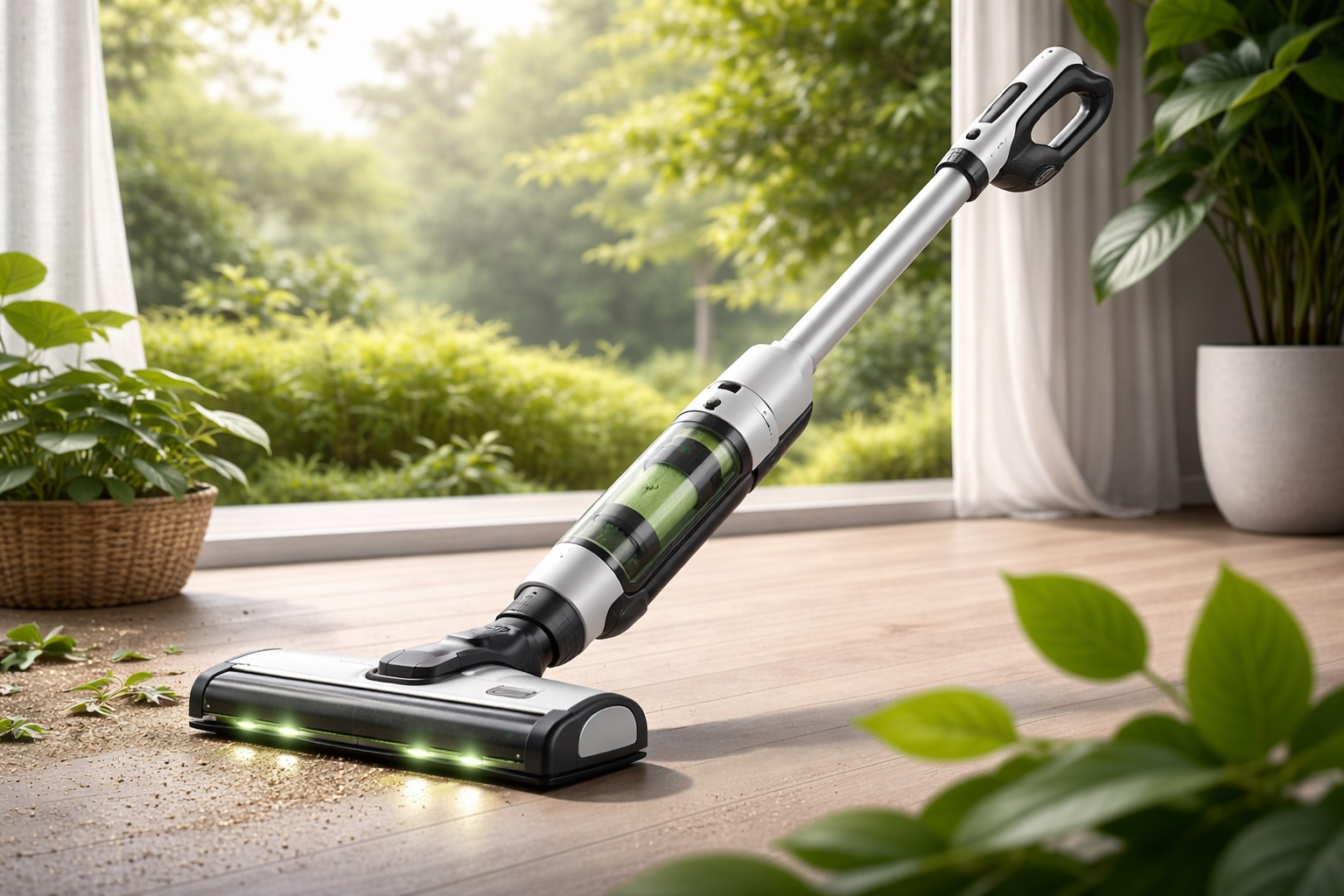
As climate awareness grows worldwide, the carbon footprint of everyday appliances is under closer scrutiny. Vacuum cleaners, once judged mainly by power and price, are now evaluated by how responsibly they are designed, produced and used.
This article explores how sustainable vacuum cleaners significantly reduce environmental impact and why carbon footprint now matters more than ever.
1. Understanding Carbon Footprint in Vacuum Cleaners 👣
A vacuum cleaner’s carbon footprint includes:
Energy consumed during daily use
Emissions from manufacturing and transportation
Waste generated at end-of-life
A low carbon vacuum cleaner addresses all three areas through efficient engineering and responsible material choices.
2. Energy Efficiency: The Biggest Carbon Reduction Factor ⚡
Energy use during operation represents a major portion of a vacuum’s lifetime emissions. An Energy-Saving Efficient Powerful Vacuum Cleaner reduces carbon output by using less electricity for the same cleaning performance.
A High Suction Vacuum Cleaner with optimized airflow:
This makes energy efficiency the most direct way to reduce carbon footprint.
3. Durable Design Means Less Manufacturing Emissions 🛠️
Every replacement vacuum increases manufacturing-related emissions. A Multi-Functional Durable Vacuum Cleaner reduces environmental impact by lasting longer and requiring fewer replacements.
Durability advantages include:
For global buyers, durability is a critical sustainability metric.
4. Recyclable Materials and Modular Construction ♻️
Material choice directly affects carbon footprint. Sustainable vacuum cleaners increasingly use recyclable plastics and modular components that can be separated and reused.
A Fast Lightweight Vacuum Cleaner made with recyclable materials:
Requires fewer raw resources
Lowers transportation emissions
Supports responsible end-of-life recycling
This design philosophy aligns with global environmental regulations.
5. Cordless Technology and Smart Energy Use 🔋
A Cordless Vacuum Cleaner can further reduce carbon emissions when designed efficiently. Modern Li-ion Cordless Handheld Vacuum Cleaner systems minimize energy loss and eliminate standby power consumption.
Cordless models are especially effective for:
Targeted cleaning sessions reduce total energy use and emissions.
6. HEPA Filtration and Health Sustainability 🌬️
Environmental impact also includes human health. A HEPA Filter Vacuum Cleaner prevents fine dust and allergens from re-entering indoor air, supporting healthier living environments.
This is essential for:
Health-focused design complements environmental sustainability.
7. Wet & Dry Vacuums Reduce Disposable Waste 💧♻️
A Wet and Dry Vacuum Cleaner replaces multiple single-purpose cleaning tools. Wet Dry Vacuum Cleaners handle liquid spills and dry debris efficiently, reducing reliance on disposable wipes and paper towels.
The 4 in 1 Cordless Smart Wet & Dry Vacuum Cleaner further minimizes waste by combining multiple cleaning functions into one energy-efficient system.
8. Quiet Operation Reflects Efficient Energy Use 🔇
Noise often indicates energy loss. A quiet vacuum cleaner typically uses smoother airflow and more efficient motors, contributing to lower power consumption and reduced carbon output.
A Portable Quiet Vacuum Cleaner also improves user comfort, encouraging efficient, shorter cleaning sessions.
9. Manufacturer Responsibility in Carbon Reduction 🏭🌱
Every responsible vacuums manufacturer and vacuum cleaner maker plays a key role in lowering carbon footprint. Sustainable sourcing, efficient production lines and reduced packaging all contribute to carbon reduction.
Brands like Lanxstar continue to adopt low-carbon engineering practices to meet global environmental standards.
Conclusion
Carbon footprint now matters in every stage of vacuum cleaner design and use. From energy-efficient motors and durable construction to recyclable materials and multi-functional design, sustainable vacuums significantly reduce environmental impact.
For buyers, users and engineers, choosing a low-carbon vacuum cleaner means supporting cleaner homes and a healthier planet 🌱.
Explore sustainable vacuum solutions at www.lxvacuum.com.
50 Related Keyword Groups
low carbon vacuum cleaner, sustainable vacuum cleaner, eco friendly vacuum cleaner, Energy-Saving Efficient Powerful Vacuum Cleaner, High Suction Vacuum Cleaner, Portable Quiet Vacuum Cleaner, Self-Cleaning Vacuum Cleaner, Multi-Functional Durable Vacuum Cleaner, Fast Lightweight Vacuum Cleaner, Large-Capacity Wet Dry Vacuum Cleaner, Li-ion Cordless Handheld Vacuum Cleaner, Wet Dry Vacuum Cleaners, 4 in 1 Cordless Smart Wet & Dry Vacuum Cleaner, cordless handheld vacuums, Cordless Vacuum Cleaner, Car Vacuum Cleaner, quiet vacuum cleaner, wet dry vacuum, Portable Vacuum for Travel, HEPA Filter Vacuum Cleaner, Apartment Vacuum Cleaner, Wet and Dry Vacuum Cleaner, Quiet Vacuum for Night Use, Vacuum Cleaner for Pet Hair, Vacuum Cleaner for Hardwood Floors, Vacuum Cleaner for Allergies, Vacuum for Multi-Surface, best vacuum on a budget, best budget hoover, good budget vacuum, best affordable vacuum, best budget vacuum, best value for money hoover, best value hoover, best vacuum cleaners on a budget, best vacuums on a budget, good budget vacuum cleaner, Lanxstar vacuum, Lanxstar cordless vacuum, Lanxstar wet dry vacuum, professional vacuums manufacturer, global vacuum cleaner maker











