Hi, message us with any questions.
We're happy to help!





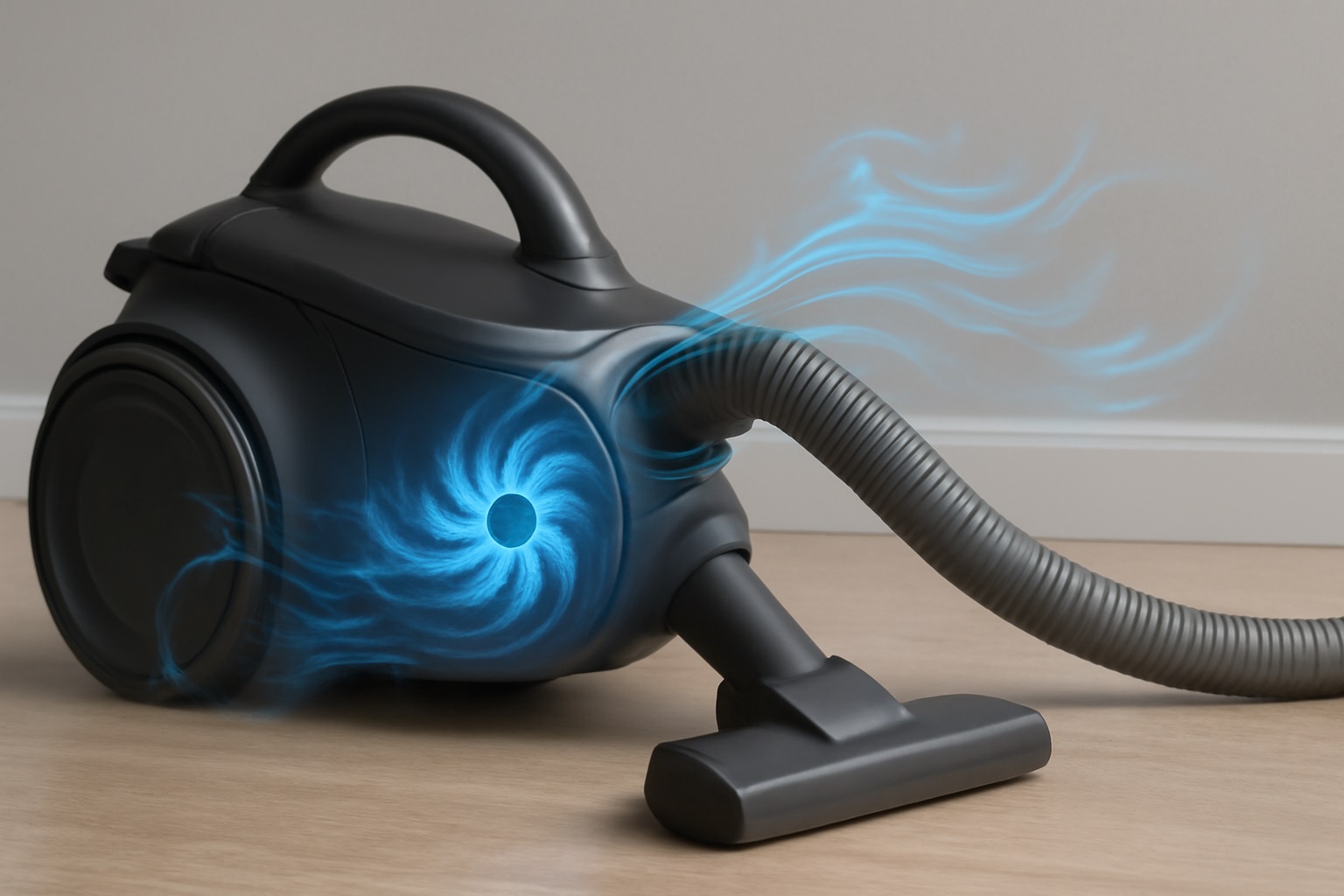
The performance and longevity of a vacuum motor largely depend on how well it can manage heat. As vacuum motor technology advances, so do the cooling methods designed to extend their lifespan and enhance performance. Breakthrough motor cooling technologies are now playing a pivotal role in the development of more efficient, long-lasting vacuums.
This article examines the latest cooling technologies used in modern vacuum motors and their impact on motor durability and performance. By exploring these innovations, we’ll gain a better understanding of how cooling systems can help vacuums run longer, more efficiently, and with less risk of overheating.
1. The Importance of Motor Cooling in Vacuums
Vacuum motors, like all electric motors, generate heat during operation. If this heat is not properly managed, it can lead to motor failure, reduced suction power, and shorter lifespan. Efficient motor cooling not only helps prevent overheating, but it also ensures that vacuums maintain peak performance even during prolonged use.
Consequences of Poor Cooling:
Reduced suction power: Heat buildup can decrease motor efficiency, leading to weaker suction.
Shorter motor lifespan: Without adequate cooling, motors wear out faster due to excessive heat exposure.
Increased energy consumption: Overheated motors require more power to operate effectively, leading to energy wastage.
With the advent of advanced motor cooling technologies, these challenges are being mitigated, leading to more reliable and efficient vacuums.
2. Airflow and Ventilation Systems for Motor Cooling
One of the most fundamental cooling methods in vacuum cleaners is the use of airflow and ventilation systems. These systems rely on the vacuum's fan and exhaust design to keep the motor cool by promoting airflow around it.
Key Features of Airflow and Ventilation Cooling:
Optimized air ducts: Modern vacuums use strategically placed air ducts that allow for efficient air circulation, drawing heat away from the motor.
Cooling fans: High-efficiency cooling fans work alongside the motor to dissipate heat more quickly.
Exhaust ports: Improved exhaust port design helps release hot air more effectively, reducing the buildup of heat.
This method is particularly useful in high-suction vacuums that work for long periods, ensuring that heat doesn’t compromise their performance.
Example Model:
Lanxstar’s High-Efficiency Vacuum Cleaner incorporates advanced airflow and ventilation systems, maintaining consistent motor performance and extending the motor’s life.
3. Liquid Cooling Systems: A More Advanced Approach
While airflow and ventilation are effective, more advanced vacuum models are adopting liquid cooling systems. These systems use coolant liquids to absorb heat from the motor and dissipate it through a system of pipes and radiators.
How Liquid Cooling Works in Vacuum Motors:
Coolant circulation: A special liquid coolant circulates around the motor to absorb heat and transfer it to an external cooling radiator.
Heat dissipation: The heat is dissipated from the motor via the radiator, ensuring the motor stays cool even during extended usage.
Liquid cooling is often found in industrial-grade vacuums and high-performance models, where motor heat management is crucial for maintaining long-term functionality.
Example Model:
Lanxstar’s Heavy-Duty Commercial Vacuum features an advanced liquid cooling system, allowing it to run for longer hours without overheating, ideal for high-demand cleaning environments.
4. Heat Sink Technology: Efficient Heat Dissipation
Another breakthrough in motor cooling is heat sink technology, which uses materials with high thermal conductivity to transfer heat away from the motor. Heat sinks are attached directly to the motor to draw heat away and distribute it over a larger surface area, making it easier for the heat to dissipate.
Key Benefits of Heat Sink Cooling:
Efficient heat transfer: Materials like aluminum or copper are used to quickly transfer heat away from the motor.
No moving parts: Heat sinks don’t rely on any moving parts, such as fans, making them a reliable and maintenance-free solution.
Compact design: Heat sinks can be integrated into the design of the motor without taking up additional space.
Heat sinks are especially effective in lightweight vacuums, where space constraints make traditional cooling methods less practical.
Example Model:
Lanxstar’s Compact Cordless Vacuum Cleaner uses a heat sink system that allows for effective heat dissipation in a small, lightweight package, enhancing both performance and durability.
5. Motor Cooling with Smart Technology
The integration of smart technology in modern vacuums has led to the development of smart motor cooling systems. These systems use sensors and AI to monitor motor temperature and adjust cooling efforts in real-time. By automatically adjusting fan speed, coolant flow, or heat sink efficiency, these vacuums ensure optimal cooling and prevent overheating.
How Smart Cooling Works:
Temperature sensors: Sensors monitor the motor’s temperature and provide data to the system.
AI-based control: The vacuum's AI algorithms adjust cooling efforts to match the motor's needs, optimizing energy use and cooling performance.
Real-time monitoring: The system continuously adjusts cooling parameters to ensure maximum efficiency.
Smart cooling systems are especially useful in motor-driven smart vacuum systems, allowing for autonomous operation without the risk of overheating.
Example Model:
Lanxstar’s AI-Powered Smart Vacuum Cleaner features a smart cooling system that adjusts motor cooling dynamically, extending motor life and ensuring peak performance with minimal human intervention.
6. Future Innovations in Motor Cooling Technology
As the vacuum cleaner industry evolves, future motor cooling technologies will likely become even more advanced. Researchers are exploring several promising innovations, including:
Nanotechnology: Nanomaterials may be used to create more efficient and lightweight cooling systems.
Phase change materials (PCMs): These materials can absorb and release heat, providing an energy-efficient way to cool motors.
Thermoelectric cooling: This technology uses the Peltier effect to cool the motor through the movement of heat via electric current, offering a compact and efficient solution.
These advancements will push the boundaries of vacuum motor cooling, enabling more efficient, longer-lasting, and powerful vacuums.
Conclusion
Motor cooling technologies are essential for enhancing the performance and lifespan of vacuum motors. As vacuums become more powerful and energy-efficient, effective cooling systems will continue to play a key role in ensuring that these machines operate at their best. From airflow cooling to liquid cooling systems, heat sink technology, and smart cooling, the innovations in motor cooling are paving the way for future vacuums that are more durable, efficient, and reliable.
For more information on cutting-edge motor cooling technologies, visit www.lxvacuum.com.
Target Audience
Vacuum cleaner manufacturers and engineers
Users seeking durable and efficient vacuum solutions
Commercial and industrial vacuum users
Sustainability-focused consumers
Product developers in the vacuum technology space
Related Keywords (50 Groups)
Motor Cooling Technologies, Vacuum Motor Cooling, Vacuum Motor Lifespan, Advanced Cooling Systems, Efficient Vacuum Motors, Vacuum Cooling Solutions, Long-Life Vacuum Motors, Vacuum Performance, Motor Durability, Cooling Technology Innovations, Airflow Cooling System, Liquid Cooling Vacuum, Heat Sink Technology Vacuum, Smart Cooling Technology, Vacuum Motor Temperature Control, Brushless DC Motor Cooling, Smart Motor Cooling Systems, Compact Cooling Systems, Nanotechnology in Cooling, High-Performance Vacuum Motors, Thermoelectric Cooling Vacuum, Sustainable Vacuum Motor Design, Advanced Fan Cooling, Cooling Fans for Vacuum Motors, Smart Vacuum Systems with Cooling, Intelligent Motor Cooling, Commercial Vacuum Motor Cooling, Motor Heat Dissipation, Durable Vacuum Motor Technology, Advanced Motor Cooling Solutions, Quiet Motor Cooling, Low Noise Motor Cooling, Multi-Stage Cooling Systems, Automated Cooling Systems for Vacuums, Vacuum Motor Thermal Management, Cooling for Industrial Vacuums, Cooling Efficiency in Cordless Vacuums, Self-Cleaning Vacuum Motor Cooling, High-Suction Vacuum Cooling, Vibration-Controlled Motor Cooling, Air Ducts for Motor Cooling, Cooling Materials for Vacuum Motors, Smart Sensors for Cooling, Energy-Efficient Vacuum Cooling, Long-Lasting Motor Cooling, Intelligent Cooling Control, Vacuum Performance Optimization, Real-Time Motor Temperature Management, Adaptive Cooling Technology.



