Hi, message us with any questions.
We're happy to help!





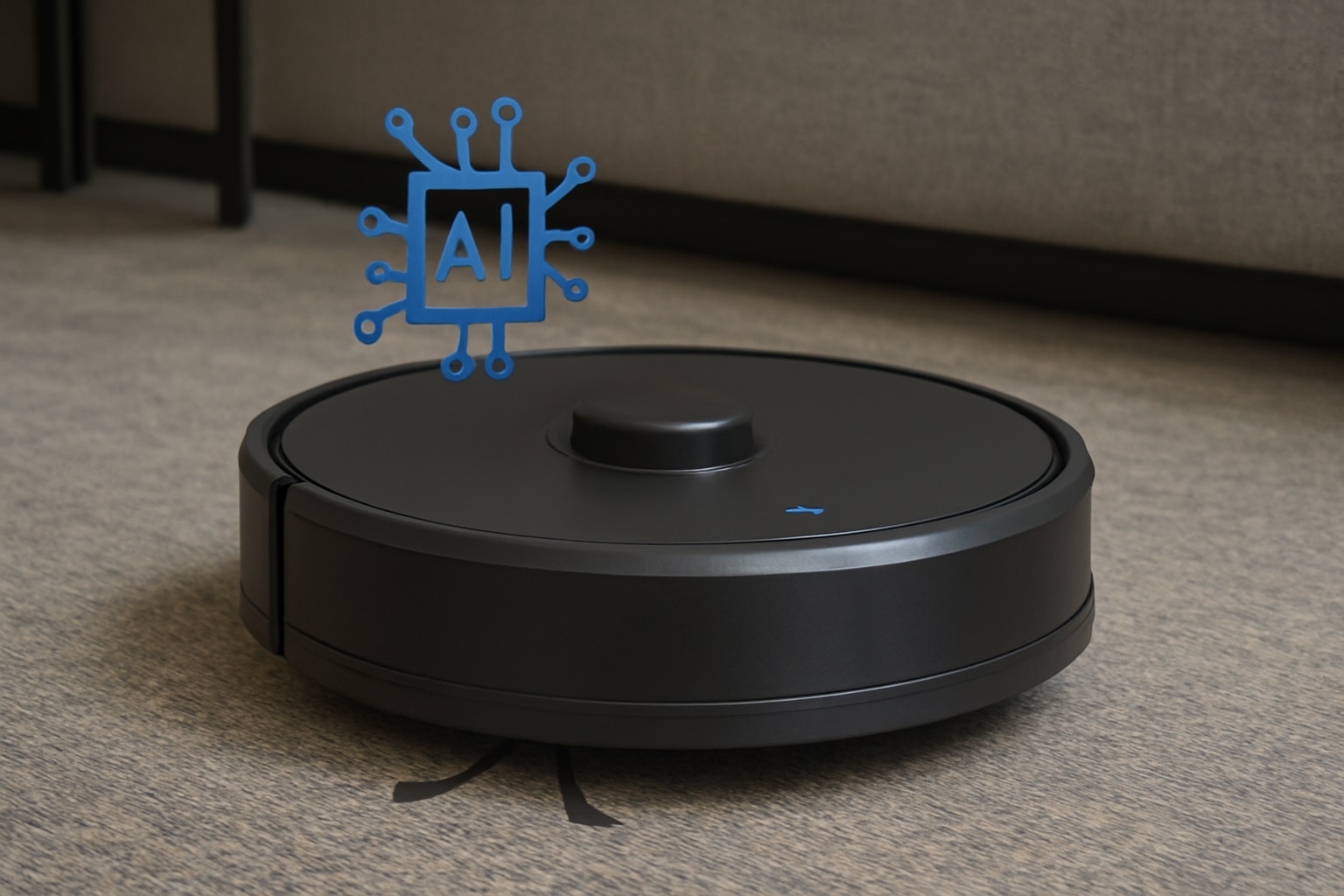
In the fast-paced world of commercial cleaning, efficiency and effectiveness are paramount. Advances in AI technology have made it possible for smart vacuum cleaners to adapt to a variety of commercial environments, ensuring high-quality, consistent cleaning. From multi-functional durable vacuum cleaners to quiet vacuum for night use, AI technology is helping businesses maintain cleanliness with minimal effort. Let’s explore how AI-powered vacuums are transforming commercial cleaning and improving productivity in large, complex environments.
The Role of AI in Vacuum Cleaners
AI technology allows vacuums to perform tasks autonomously while learning and adapting to their surroundings. Unlike traditional household vacuum cleaners or upright vacuum cleaners, which require manual adjustments, AI-powered vacuums are equipped with sensors, cameras, and algorithms that allow them to recognize obstacles, map out spaces, and adjust their cleaning paths in real time. These features are crucial for cleaning commercial spaces, which often have varying floor types, layouts, and high foot traffic.
Key AI Features in Smart Vacuums
Advanced Navigation and Mapping
AI technology enables vacuums to map out and navigate commercial spaces efficiently. Using LIDAR or camera-based systems, the vacuum scans the environment, identifies obstacles, and creates a floor plan of the area. This allows smart vacuum cleaners to clean the space in the most efficient way possible, avoiding unnecessary backtracking and ensuring that no area is missed.
For example, a multi-functional durable vacuum cleaner with AI technology can map an entire office building, cleaning each room according to its layout. This feature eliminates the need for manual intervention, saving both time and labor.
Real-Time Adaptation
One of the most significant advantages of AI technology in vacuums is their ability to adapt in real time to changes in their environment. Vacuum for multi-surface models can detect when they switch between different floor types, such as from carpet to tile or hardwood. AI allows these vacuums to automatically adjust their settings, including suction power, to ensure the best clean without the need for manual input.
In commercial spaces, this adaptability is essential. A smart vacuum can seamlessly move from an office with carpets to a kitchen area with tile flooring, ensuring the most efficient cleaning without needing constant adjustments.
Obstacle Detection and Avoidance
AI-powered vacuums can detect and avoid obstacles such as furniture, walls, or cords in their path. Using sensors and algorithms, the vacuum identifies objects in its environment and either navigates around them or pauses to wait for a clear path. In commercial environments, this is particularly useful for cleaning crowded spaces where furniture and other objects may be scattered throughout the area.
For example, a quiet vacuum for night use in an office environment can navigate between desks and chairs without disturbing employees or getting stuck on objects. This helps maintain the cleaning schedule without interruption.
Smart Scheduling and Cleaning Optimization
AI technology enables vacuums to be scheduled and managed more effectively. For businesses, this means that cleaning tasks can be scheduled for specific times of the day or night, minimizing disruption to daily operations. In offices, retail stores, or hotels, vacuums can be programmed to clean at off-peak hours, such as overnight, when the building is least occupied.
Furthermore, AI algorithms can optimize the cleaning path based on the specific needs of the commercial environment. For example, a multi-functional durable vacuum cleaner used in a large office building might focus more time on high-traffic areas like lobbies and corridors while spending less time on areas with less foot traffic, like storage rooms.
Predictive Maintenance
AI technology can also help reduce downtime in commercial cleaning operations. By monitoring the vacuum's performance and analyzing data, AI systems can predict when parts, such as filters or brushes, need maintenance or replacement. This predictive maintenance reduces the risk of unexpected breakdowns and ensures that the vacuum is always operating at peak efficiency.
For example, a smart vacuum used in a hotel can notify the cleaning team when the vacuum's dustbin needs to be emptied or when its brushes need to be cleaned, ensuring that it performs well during its next cleaning session.
How AI Technology Benefits Commercial Cleaning Environments
Time and Labor Efficiency
AI technology in vacuums significantly reduces the need for manual intervention, saving both time and labor costs. For instance, a multi-functional durable vacuum cleaner can clean large spaces autonomously, moving from room to room without the need for an operator to manually adjust its path or settings. This automation allows businesses to focus on other important tasks while the vacuum handles the cleaning.
Consistent Cleaning Quality
AI-powered vacuums ensure consistent cleaning performance throughout the entire commercial space. Since the vacuum can learn from its environment and adjust its settings accordingly, it maintains a high level of cleaning quality without the need for human supervision. Whether it's cleaning a hotel lobby, an office building, or a retail store, AI ensures that every corner is covered.
Cost Savings
By automating the cleaning process, businesses can reduce the number of cleaning staff required for routine vacuuming tasks. This not only lowers labor costs but also improves operational efficiency. The ability to schedule cleaning during off-hours or during periods of low activity further reduces the impact on daily business operations, making cleaning more cost-effective.
Improved Floor Care
AI technology in vacuums helps prolong the life of floors by ensuring they are cleaned correctly, regardless of the type of surface. A vacuum for multi-surface model will automatically adjust to the needs of different floor types, such as carpets, tiles, or hardwood. This means that floors will receive the appropriate care, preventing excessive wear and tear that can result from improper cleaning techniques.
Real-World Example: AI in a Commercial Office Building
Consider a commercial office building with multiple floors, varying carpet types, and heavy foot traffic. A smart vacuum equipped with AI technology can automatically navigate the space, detect high-traffic areas, and clean them with higher suction power while adjusting settings for areas with less traffic. The vacuum can be scheduled to clean during off-hours, when employees are not around, ensuring a disruption-free environment.
Additionally, the vacuum can be programmed to return to its charging station when the battery runs low and resume cleaning once fully charged, ensuring that the entire building is cleaned without interruption. The predictive maintenance feature ensures that any issues with the vacuum are flagged before they cause downtime, keeping the cleaning process running smoothly.
Conclusion
AI technology in vacuum cleaners is transforming the way commercial spaces are cleaned. From upright vacuum cleaners to smart vacuums and multi-functional durable vacuum cleaners, AI-powered features like advanced navigation, real-time adaptation, and predictive maintenance make cleaning more efficient, consistent, and cost-effective. These features save time, reduce labor costs, and improve the overall quality of cleaning, making them essential for businesses looking to maintain a clean, professional environment.
Hashtags
SmartVacuum, UprightVacuumCleaners, HouseholdVacuumCleaners, MultiFunctionalDurableVacuumCleaner, SmartVacuum, VacuumForMultiSurface, QuietVacuumForNightUse, AIVacuumTechnology, VacuumAutomation, CommercialCleaning, PredictiveMaintenanceVacuum, CommercialVacuum, Lanxstar.



