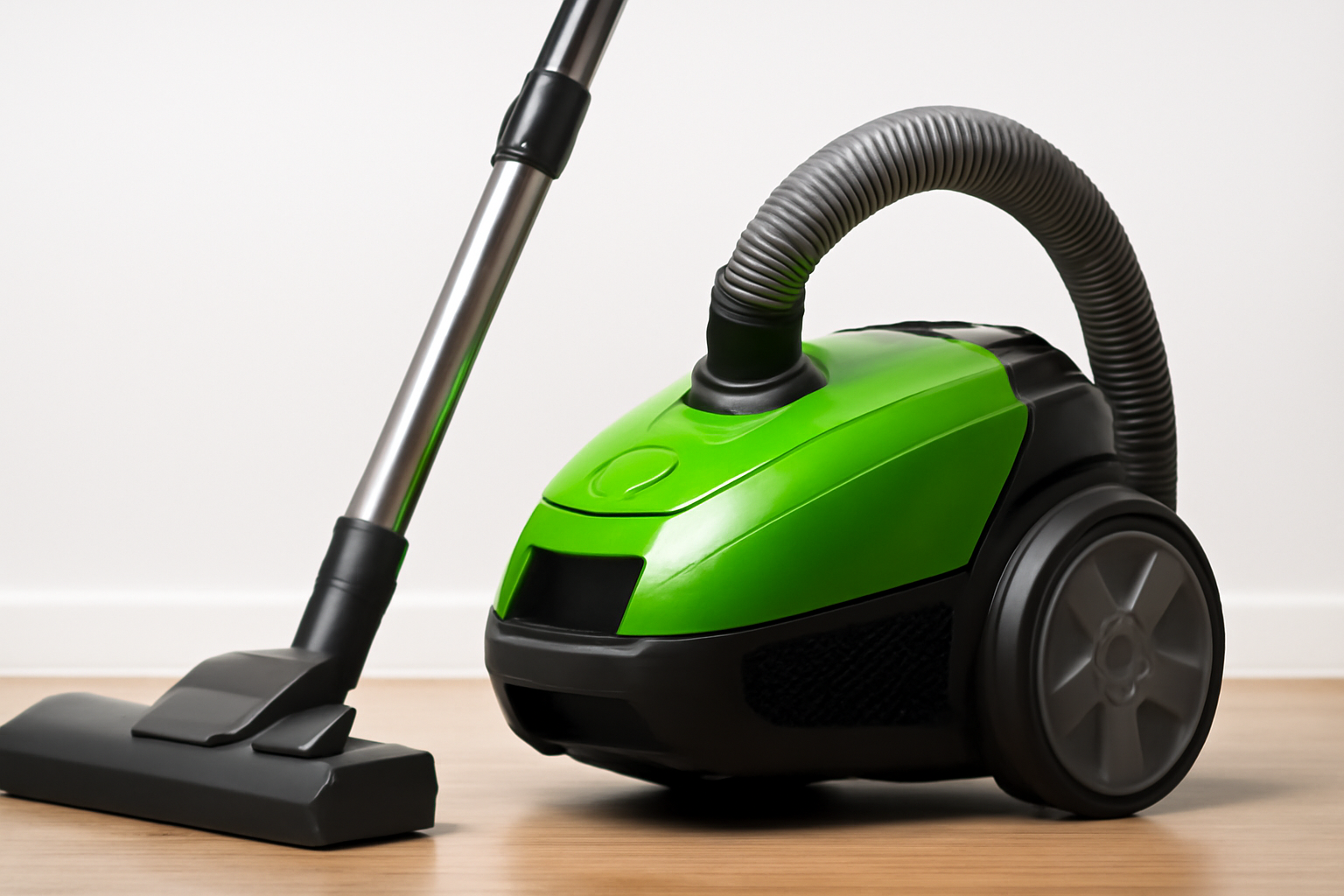
As environmental awareness increases globally, vacuum cleaner manufacturers are facing growing pressure to meet stringent environmental regulations. These regulations, aimed at reducing energy consumption, improving air quality, and minimizing waste, are shaping the future of the vacuum cleaner industry, particularly in terms of export markets. Manufacturers must adopt green technologies and comply with environmental standards to tap into the expanding opportunities in international markets, where eco-conscious consumers are becoming more prevalent.
The Impact of Environmental Regulations on Vacuum Cleaner Exports
Environmental regulations in key markets, such as the European Union, the United States, and other regions, are becoming increasingly stringent. These regulations focus on aspects such as energy efficiency, reduced noise levels, and the use of sustainable materials. For instance, the EU’s Ecodesign Directive sets strict energy efficiency standards for vacuum cleaners, which impacts product design and manufacturing processes. Vacuum cleaner manufacturers must comply with these regulations to remain competitive in export markets, particularly in Europe, where environmental standards are among the highest in the world. Manufacturers looking to enter or expand in these markets must ensure that their products meet these requirements to avoid penalties and gain access to eco-conscious consumers. Explore Ecodesign Guidelines for more details.
Green Technologies and Innovations Driving Compliance
To comply with environmental regulations, many vacuum cleaner manufacturers are investing in green technologies that reduce energy consumption and environmental impact. The adoption of energy-efficient motors, the use of recyclable materials, and innovations in suction power, filtration, weight, noise, attachments, runtime, corded, cordless, portability are driving the development of more sustainable products, which are integral to the continued evolution of vacuum cleaner. Additionally, vacuum cleaner manufacturers are embracing innovation in areas such as smart technology, where products are designed to optimize energy use and reduce unnecessary consumption. These innovations not only help manufacturers meet environmental regulations but also present new market opportunities, as eco-friendly products become increasingly popular among consumers. For more on green innovations in this field, check reports on Global Market Insights.
Export Market Opportunities in a Green Economy
The demand for environmentally friendly products is growing rapidly, particularly in developed markets such as the EU and North America, where consumers and businesses are prioritizing sustainability. Manufacturers who invest in eco-friendly technologies and comply with environmental regulations can position themselves to capture a larger share of the export market. The increasing demand for wet dry vacuum cleaner models, which offer multi-functionality, is another opportunity in this space. Businesses can tap into these growing opportunities by marketing their products as energy-efficient, low-carbon, and made from sustainable materials. Additionally, many governments and trade associations offer incentives and support for businesses that prioritize environmental compliance, further enhancing the potential for growth in export markets.
The Future of Vacuum Cleaner Exports in a Green Economy
Looking forward, the vacuum cleaner industry is expected to continue its shift towards greener products and manufacturing processes. As environmental regulations become stricter, manufacturers will need to adopt sustainable practices to remain competitive. The growing trend towards eco-friendly consumer behavior, combined with increasing government support for green technologies, presents significant opportunities for vacuum cleaner exports. Manufacturers who can align with these trends and meet regulatory requirements will be well-positioned to thrive in a rapidly evolving global market.
For more information on environmental regulations and market trends, visit www.lxvacuum.com.











