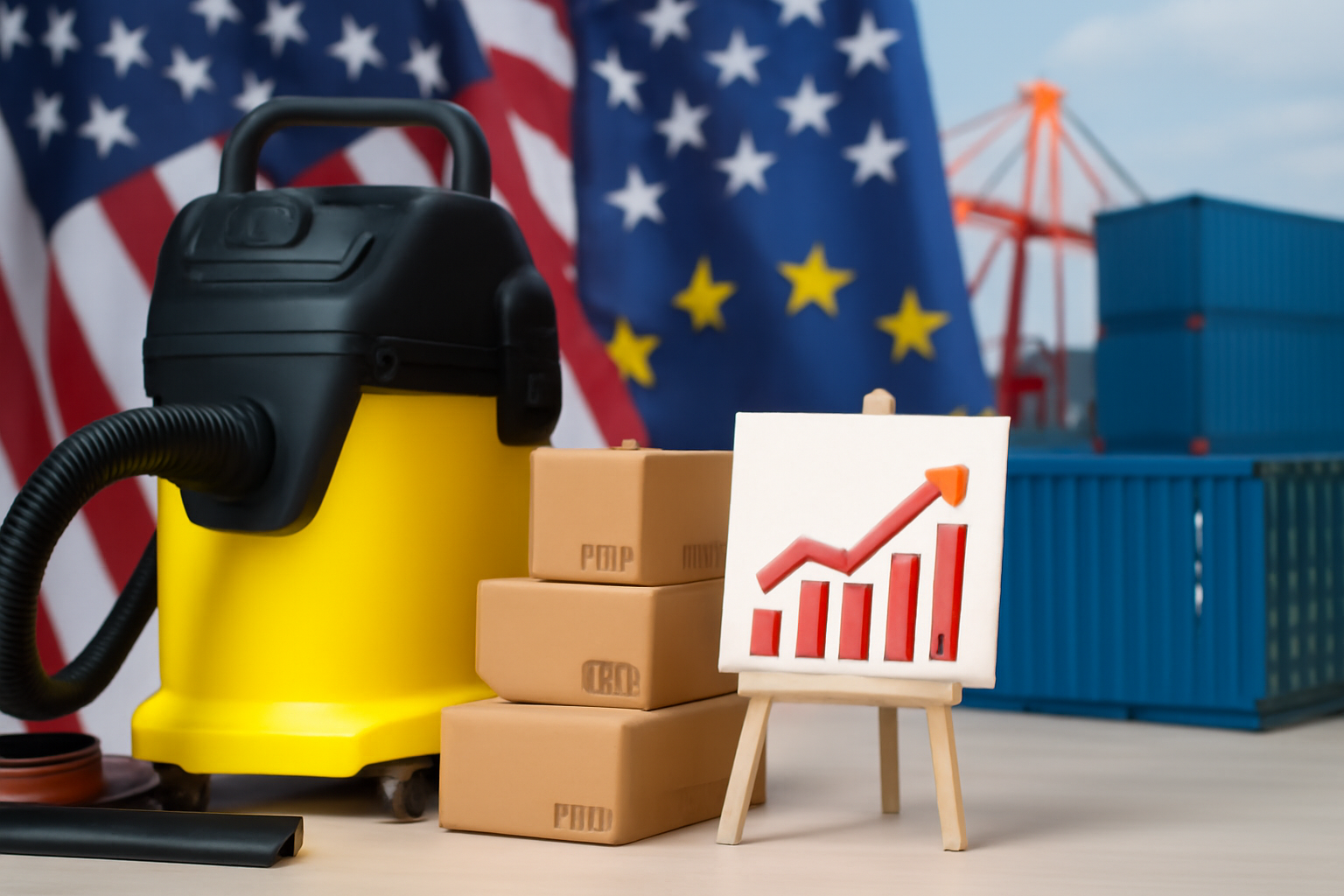
The international trade landscape for vacuum cleaners is constantly evolving, with trade tariffs and logistics costs playing an essential role in shaping the global market. In recent years, changes in trade policies, supply chain disruptions, and rising shipping costs have significantly impacted vacuum cleaner manufacturers and distributors. Understanding the latest developments in tariffs and logistics costs is crucial for businesses looking to navigate the complexities of global trade and maintain competitiveness.
Recent Changes in Trade Tariffs
In response to ongoing economic shifts, many countries have adjusted their trade tariffs on vacuum cleaner imports and exports. For example, in the US and EU, tariffs on vacuum cleaner products have fluctuated due to changing trade agreements and government policies. These changes can have a direct impact on the final cost of vacuum cleaners for consumers and businesses. Manufacturers exporting to regions with high tariffs may need to adjust pricing strategies or seek alternative markets to maintain their competitive advantage. To understand more about the latest tariff updates, resources like the International Trade Administration are invaluable.
Impact of Rising Logistics Costs
In addition to trade tariffs, rising logistics costs have been a significant factor affecting the global vacuum cleaner market. Supply chain disruptions, increased fuel prices, and shortages of shipping containers have contributed to higher shipping fees. These rising costs are especially challenging for manufacturers and distributors, as they reduce profit margins and impact pricing structures. Manufacturers are now exploring ways to streamline their logistics operations, reduce shipping costs, and improve delivery efficiency to counteract the rising logistics burden. For insights into logistics cost trends, check resources such as Supply Chain Management.
Navigating Supply Chain Disruptions
The global vacuum cleaner industry is also facing challenges due to ongoing supply chain disruptions. From raw material shortages to delayed shipments, companies are working hard to maintain smooth operations in the face of unpredictable factors. Diversifying suppliers, optimizing inventory management, and finding alternative shipping routes are some strategies being employed to ensure that manufacturers can meet demand and minimize delays. Supply chain resilience is crucial in maintaining a stable flow of vacuum cleaner products to global markets, especially in light of recent events. For further insights on supply chain management, consider referring to Global Supply Chain Network.
The Future of Global Trade for Vacuum Cleaners
Looking ahead, businesses in the vacuum cleaner industry will need to remain agile and proactive in dealing with fluctuating trade tariffs and logistics costs. Strategic planning, supply chain optimization, and staying informed about the latest trade policies will be key in maintaining profitability and ensuring seamless product flow across borders. The next generation of vacuum cleaner products will continue to improve suction power, filtration, weight, noise, attachments, runtime, corded, cordless, portability, enhancing the overall performance of the vacuum cleaner.
For more information on the latest trade policies and logistics strategies, visit www.lxvacuum.com.











