Vacuum odors signal hygiene issues or hardware stress. This expert guide covers the causes, cleaning tips, and future-proof design features buyers and distributors should know in 2025. K50
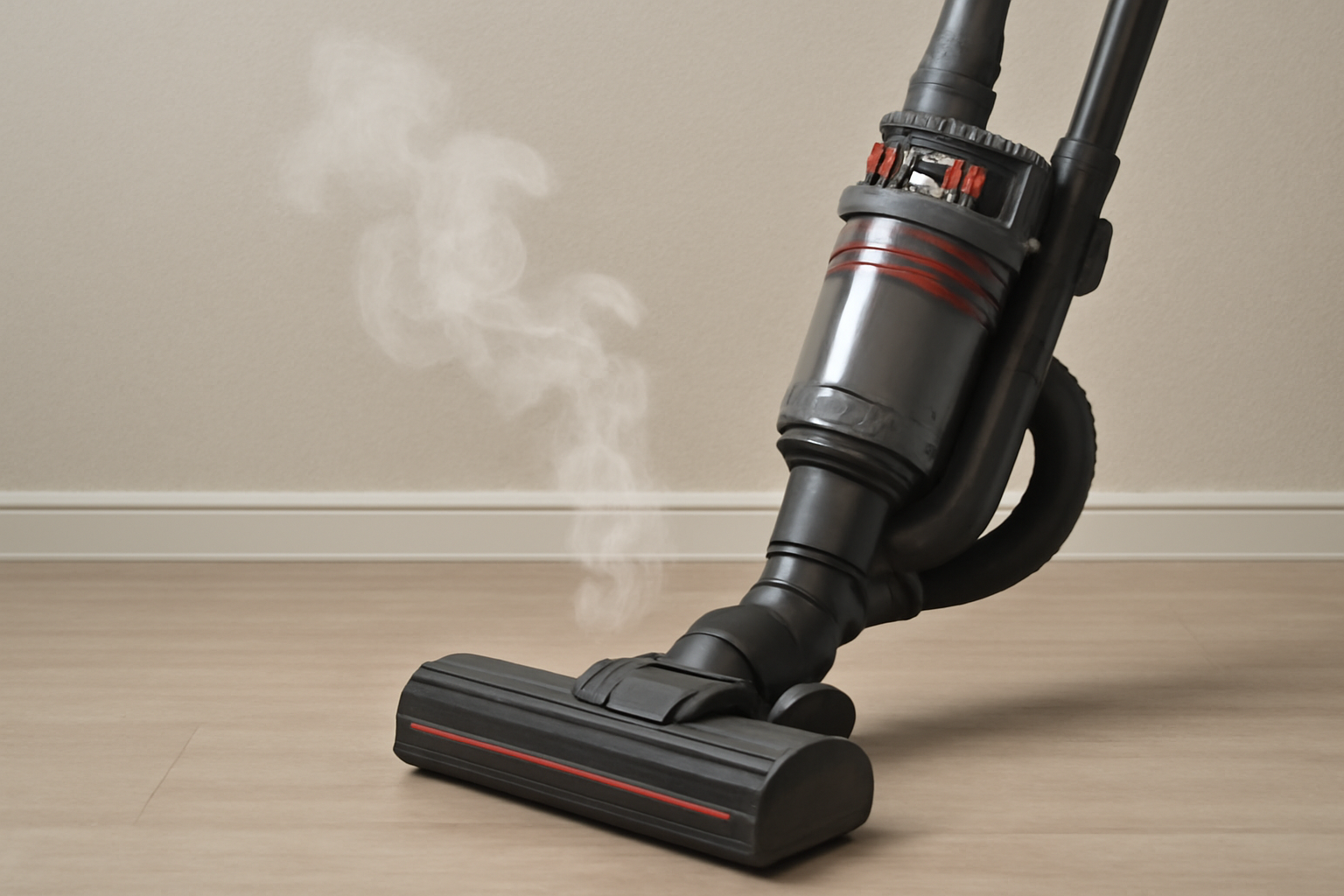
“A smelly vacuum doesn’t mean it’s broken. It means it’s telling you something.”
For many consumers and distributors alike, bad-smelling vacuums are one of the top causes of dissatisfaction and product returns. Whether you manage vacuums procurement or operate in vacuum cleaner distribution, understanding the underlying causes of odor — and how to permanently resolve them — can directly improve customer satisfaction, retention, and brand loyalty.
This deep-dive article reveals the science behind vacuum odor, offers real-world prevention tactics, and outlines engineering insights to help B2B buyers select better machines for long-term odor control.
I. The Science: Why Vacuums Develop Odor
Vacuums are microbial traps — they suck in organic matter, dust, humidity, and air, creating the perfect breeding environment for:
Bacteria (from skin flakes, pet waste, food debris)
Mold spores (from damp carpet or floors)
Burnt rubber smell (from worn belts/motors)
Odor is not just unpleasant — it often indicates early-stage hardware stress, hygiene risk, or poor user habits.
II. The 4 Most Common Odor Sources
Pet Dander and Hair Residue: Sticks to bristles and filters, especially in Cordless Handheld Vacuum Cleaner units
Moisture Build-Up: In Large-Capacity Wet Dry Vacuum Cleaner tanks leads to microbial fermentation
Clogged Filters or Bins: Cause bacterial hotspots in Energy-Saving Efficient Powerful Vacuum Cleaner types
Overworked Motors and Belts: Create heat, friction and burnt smells in Fast Lightweight Vacuum Cleaner models
III. 11 Tactical Solutions to Eliminate & Prevent Vacuum Odor
| Category | Tip | Details |
|---|
| Filter Hygiene | Replace filters every 2–4 weeks | Especially for HEPA or foam filters in pet-heavy homes |
| Rinse washable filters | Let dry fully (≥24h) before reinserting |
| Interior Cleaning | Disassemble hoses/brushes bi-monthly | Soak in warm water + disinfectant |
| Spray deodorizer in air path | Use pet-safe, non-aerosol sprays |
| Bag/Bin Care | Empty after every use | Don’t let debris sit overnight |
| Add 1 tsp baking soda weekly | Neutralizes odors in bins |
| Storage & Environment | Store in dry areas | Humidity accelerates mold and decay |
| Leave wet-dry vacs open to air | Ensures tank dry-out |
| Motor System | Replace belts every 6–9 months | Prevents friction and overheating |
| Check for blockages monthly | Focus on vents and intake ducts |
IV. How Procurement Teams Should Evaluate Anti-Odor Design
In vacuums procurement, prevent complaints by requiring:
V. Design Innovations: The Future of Smell-Free Cleaning
New technologies include:
Charcoal filter packs
Auto-clean/deodorize docking stations
Smart usage tracking and alerts
Shared filter ecosystems for bulk buyers
“A great vacuum isn’t just powerful — it’s clean-smelling, long-lasting, and easy to maintain.”
#VacuumCleanerforPetHair #HEPAFilterVacuumCleaner #WetandDryVacuumCleaner #ApartmentVacuumCleaner #Lanxstar #QuietVacuumCleaner #FastLightweightVacuumCleaner #CordlessHandheldVacuumCleaner #LargeCapacityWetDryVacuumCleaner #EnergySavingEfficientPowerfulVacuumCleaner #VacuumSmellSolutions #VacuumHygieneGuide #VacuumCareTips #SmartFilterMaintenance #CleaningTechInsights #CleaningDeviceLongevity #VacuumEngineeringDetails #AirflowPathDesign #AntiOdorMaterials #PetHairVacuumIssues #HEPAFilterHealth #VOCMonitoringVacuum #DeodorizingVacuumStrategies #SmartVacuumSystems #CleaningWithConfidence #SmellFreeCleaning #CordlessVacuumUpkeep #BaglessOdorFix #CleaningDeviceProcurement #FilterCareBestPractices #VacuumScentFeatures #B2BVacuumSelection #ModularVacuumDesign #MaintenanceFriendlyVacuums #CommercialVacuumManagement #CleaningFleetSuccess #SmartSensorCleaningDevices #HospitalityHygieneVacuums #OdorEliminationTools #VacuumUpgradeChecklist #VacuumFilterSubscription #CleaningTechEvolution











