Pa (suction pressure) is often misused in vacuum specs. This article explains what Pa means, how much suction is enough, and how to make smarter B2B buying decisions without overpaying for marketing fluff.K52
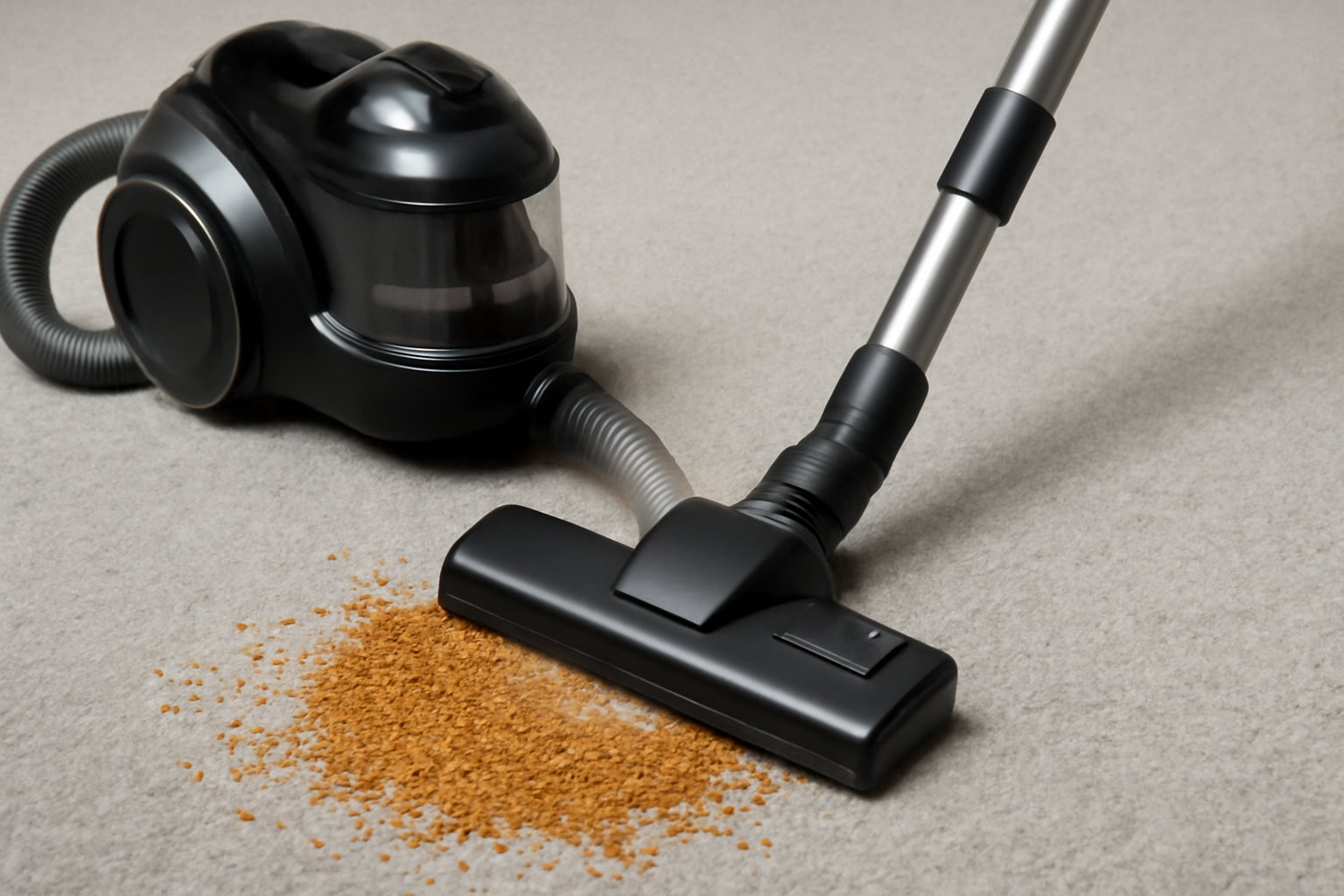
In 2025, “Pa” has become one of the most used—but also most misused—marketing specs in the vacuum cleaner industry.
This guide reveals the true meaning of suction power, helps B2B buyers avoid overpriced overkill, and provides field-tested recommendations for choosing vacuum cleaners that perform well across surface types and user needs.
I. What Exactly Is Pa—and Why It’s Overhyped
“Pa is like horsepower in cars. It means little without traction and fuel efficiency.”
II. Recommended Pa Ranges by Scenario (with Procurement Flags)
| Scenario | Pa Range | Notes |
|---|
| Bare floors | 5,000 – 8,000 | Quiet operation matters more |
| Low-pile carpet | 8,000 – 12,000 | Ideal for apartments, hotels |
| Pet-heavy homes | 12,000 – 18,000 | Must pair with HEPA filters |
| Car detailing | 15,000 – 20,000 | Cordless models preferred |
| Industrial flooring | 20,000+ | Needs strong motor cooling |
Models like the Energy-Saving Efficient Powerful Vacuum Cleaner and Fast Lightweight Vacuum Cleaner are field-rated for optimal suction efficiency at lower power draw.
III. The Hidden Variable: Airflow (CFM)
Pa = Pressure
CFM = Cubic Feet per Minute (Air volume moved)
High Pa with low CFM = weak real-world pickup
Ask suppliers for Pa-CFM curves, not just max specs.
IV. Top 5 Evaluation Tips for B2B Procurement
✅ Look for independently lab-verified Pa & CFM values
✅ Insist on runtime performance (not just peak suction)
✅ Evaluate filter resistance (clogged filters drop Pa fast)
✅ Consider motor heat management (high Pa = more friction)
✅ Balance suction vs. user need (not all users need 20K+ Pa)
V. Engineering & OEM Considerations
Favor brushless motors (longer life, quieter)
Use air-sealed internal paths to retain Pa
Include multi-suction modes for versatility
Test Cordless Handheld Vacuum Cleaner designs for airflow balance
For wet/dry environments, prioritize Large-Capacity Wet Dry Vacuum Cleaner with cooling chambers
VI. Sales Insights: How to Explain “Pa” to Buyers
“This model delivers 15,000Pa sustained suction, ideal for deep carpet debris.”
“With smart airflow engineering, it performs like 20,000Pa units but uses 30% less power.”
“You don’t need high Pa for tile—what you want is consistent airflow and sealed brushes.”
“Great vacuums don’t just suck hard—they clean smarter.”
#VacuumCleanerforPetHair #HEPAFilterVacuumCleaner #WetandDryVacuumCleaner #ApartmentVacuumCleaner #Lanxstar #QuietVacuumCleaner #FastLightweightVacuumCleaner #CordlessHandheldVacuumCleaner #LargeCapacityWetDryVacuumCleaner #EnergySavingEfficientPowerfulVacuumCleaner #VacuumSuctionPower #HowMuchPaVacuum #CFMAirflowVsPa #VacuumProcurementTips #CleaningToolPerformance #PetHairVacuumPower #SuctionTestingTips #VacuumNoiseVsPower #BatteryVsCordedSuction #HouseholdVacuumBuyingGuide #CleaningTechBenchmark #SmartVacuumMetrics #VacuumFiltrationImpact #VacuumCFMDesign #OEMVacuumTesting #CordlessVacuumEfficiency #BrushlessMotorVacuum #AirflowDesignMatters #VacuumPowerOverkill #HEPAVacuumStandards #AdjustableVacuumPower #SuctionVsRuntime #CleaningEfficiencyMetrics #QuietHighPaVacuums #HybridVacuumFeatures #PaExplainedSimply #DistributionTechSheets #ProcurementBuyRight #VacuumSpecsDecoded