Hi, message us with any questions.
We're happy to help!





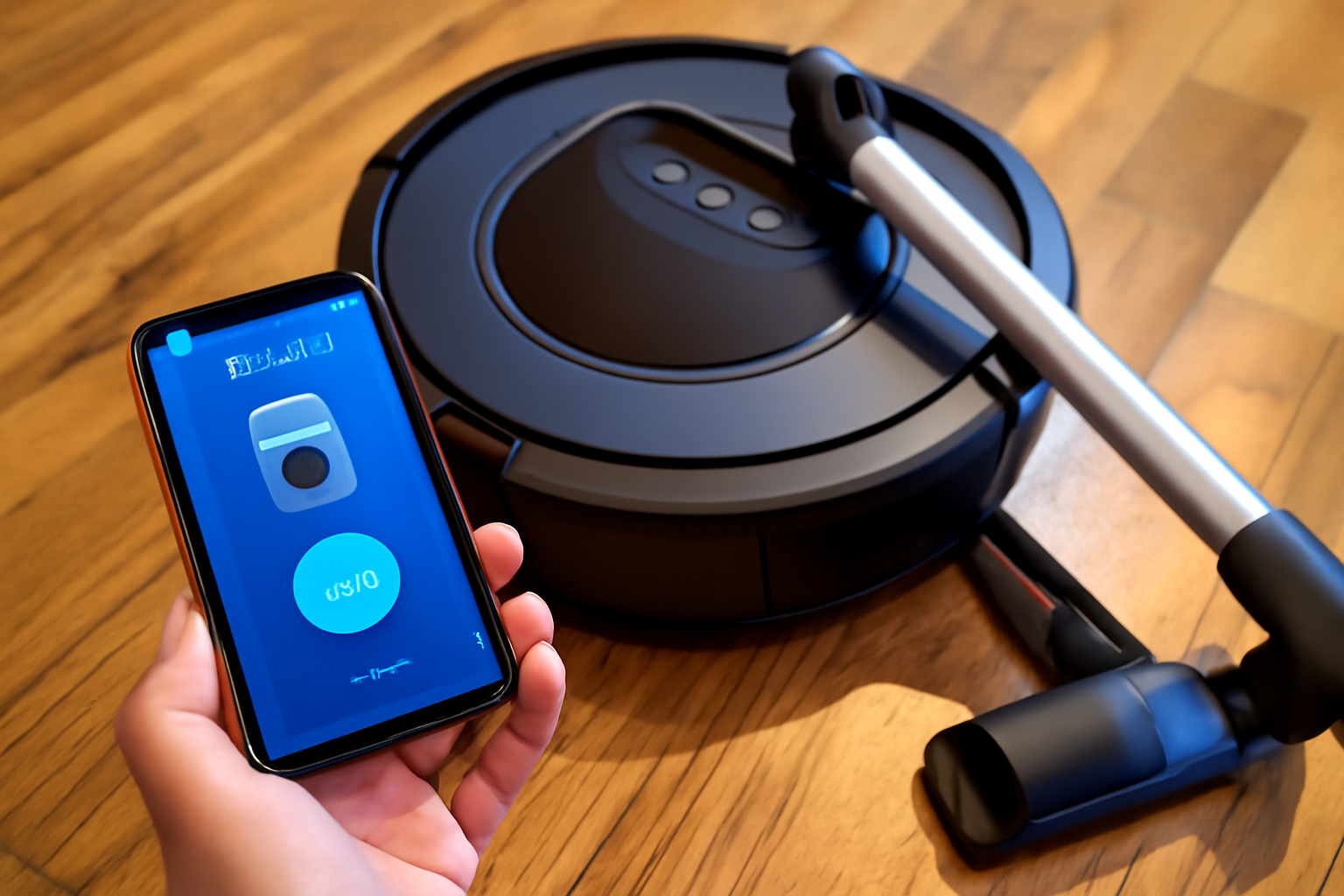
The smart home revolution is reshaping every corner of the consumer appliance industry. As connectivity becomes a fundamental expectation, vacuum cleaners are no longer stand-alone devices—they are evolving into intelligent cleaning systems that interact seamlessly with other smart home technologies. For manufacturers and distributors, this transformation represents a significant opportunity to redefine how vacuum cleaners are sold, serviced, and perceived in 2026.
This article explores how integrating vacuums into the broader smart home ecosystem will drive innovation, brand differentiation, and long-term sales growth.
1. The Smart Home Revolution: Redefining Consumer Expectations
Over the past decade, connected living has become mainstream. Consumers now expect their devices to communicate, adapt, and learn. The vacuum cleaner is no exception.
Models like the High Suction Vacuum Cleaner and Quiet Vacuum Cleaner are being redesigned to integrate with smart home platforms such as Alexa, Google Home, and Apple HomeKit. Users can schedule cleaning sessions, monitor performance, and receive maintenance alerts—all through voice or mobile app.
Insight: Statista projects that over 670 million households worldwide will use smart home devices by 2026, creating massive potential for connected vacuums.
2. Vacuum Cleaners as the Heart of Smart Cleaning Ecosystems
In a connected environment, vacuums are evolving into data-driven cleaning hubs. A Portable Self-Cleaning Vacuum Cleaner or Multi-Functional Durable Vacuum Cleaner can now sync with other devices—air purifiers, HVAC systems, and even lighting—to optimize home hygiene automatically.
For example, when an air quality sensor detects dust, the vacuum can automatically start cleaning specific zones. This type of intelligent response elevates cleaning from a routine task to an integrated home experience.
3. The Power of AI and Voice Integration
Artificial intelligence and voice assistants are defining the next generation of home appliances. The Cordless Vacuum Cleaner and 4 in 1 Cordless Smart Wet & Dry Vacuum Cleaner now feature voice control and adaptive suction algorithms that learn from usage patterns.
Smart vacuums can distinguish between carpet, hardwood, and tile, adjusting suction power automatically for maximum efficiency. Voice commands like “clean under the sofa” or “pause while I take a call” are no longer futuristic—they are expected by tech-savvy consumers.
Reference: Harvard Business Review notes that brands integrating AI into household appliances see 40% higher consumer satisfaction due to ease of use and personalization.
4. Data-Driven Insights: Turning Cleaning into a Smart Service
IoT data is transforming vacuums from mere tools into intelligent services. Connected models like the Energy-Saving Efficient Powerful Vacuum Cleaner or Large-Capacity Wet Dry Vacuum Cleaner can collect real-time performance metrics, alerting users about maintenance, filter replacement, or cleaning efficiency.
Manufacturers can use anonymized data to enhance product design, predict component demand, and offer subscription-based maintenance—turning vacuum ownership into an ongoing relationship.
5. Smart Energy Efficiency and Sustainability
In 2026, sustainability will drive purchasing decisions. Smart vacuums can optimize power consumption, schedule cleaning during off-peak hours, and integrate with solar-powered home systems.
A Fast Lightweight Vacuum Cleaner or HEPA Filter Vacuum Cleaner with energy monitoring features gives users greater control over electricity usage, appealing to eco-conscious consumers and helping brands meet ESG (Environmental, Social, and Governance) goals.
Data Point: McKinsey reports that energy-efficient smart devices are expected to account for 60% of total appliance sales by 2026.
6. The 2026 Consumer: Connected, Conscious, and Demanding
Modern consumers demand convenience and personalization. They expect vacuums to be powerful, quiet, and integrated. The Quiet Vacuum for Night Use and Vacuum Cleaner for Pet Hair represent two growing niches: noise-sensitive households and pet owners who value automated, deep-cleaning precision.
By leveraging smart scheduling, these models can clean quietly during night hours or focus on pet zones using AI-driven mapping. This kind of customization drives emotional attachment and repeat purchases.
7. Integration Beyond Cleaning: The Smart Ecosystem Effect
Smart vacuums are becoming a central node in interconnected homes. A Cordless Handheld Vacuum Cleaner can share data with air purifiers to synchronize cleaning schedules or alert HVAC systems to adjust airflow.
In the near future, vacuums may even sync with home security systems—automatically pausing when motion sensors detect activity. Such integrations transform vacuums into part of a lifestyle system rather than isolated devices.
8. Challenges for Manufacturers: Connectivity, Data, and Privacy
While opportunities are vast, challenges remain. Connectivity standards differ by region, and ensuring seamless integration across ecosystems is complex. Moreover, managing consumer data responsibly is paramount.
Manufacturers of Wet Dry Vacuum Cleaners or Car Vacuum Cleaner must invest in robust cybersecurity frameworks and transparent data policies to maintain consumer trust.
9. Design and Development for the Smart Home Era
Developing smart-compatible vacuums requires collaboration between hardware engineers, software developers, and UX designers. The Multi-Functional Durable Vacuum Cleaner and Portable Self-Cleaning Vacuum Cleaner must include modular hardware for connectivity upgrades and software systems that support real-time updates.
This shift demands agility in product design, faster iteration cycles, and long-term software support—key to staying relevant in a tech-driven market.
10. Market Outlook 2026: A Connected Future for Vacuum Sales
By 2026, smart integration will no longer be optional—it will define competitive positioning. Companies that combine strong suction power, quiet performance, and intelligent features will dominate the global market.
A High Suction Vacuum Cleaner that connects effortlessly with smart home systems offers both convenience and status appeal. Integration is not just about functionality—it’s about creating an ecosystem that locks in customer loyalty for years.
Conclusion: Smart Integration as the New Competitive Edge
The rise of smart home integration is transforming how consumers perceive vacuum cleaners—from simple tools to intelligent companions that enhance daily life. Manufacturers that invest now in IoT, AI, and seamless interoperability will lead the market in 2026.
For the vacuum cleaner industry, the message is clear: connectivity isn’t the future—it’s the present. The brands that embrace it today will define tomorrow’s market.
Visit: www.lxvacuum.com
📌 50 Related Keywords
High Suction Vacuum Cleaner, Quiet Vacuum Cleaner, Portable Self-Cleaning Vacuum Cleaner, Multi-Functional Durable Vacuum Cleaner, Fast Lightweight Vacuum Cleaner, Energy-Saving Efficient Powerful Vacuum Cleaner, Large-Capacity Wet Dry Vacuum Cleaner, Cordless Handheld Vacuum Cleaner, Wet Dry Vacuum Cleaners, 4 in 1 Cordless Smart Wet & Dry Vacuum Cleaner, Cordless Vacuum Cleaner, Car Vacuum Cleaner, Quiet Vacuum for Night Use, Vacuum Cleaner for Pet Hair, HEPA Filter Vacuum Cleaner, smart home integration, AI-powered vacuum, connected cleaning ecosystem, voice-controlled cleaning device, data-driven cleaning, smart energy efficiency, IoT-enabled appliance, AI noise optimization, smart home compatibility, consumer electronics 2026, predictive maintenance system, modular vacuum design, sustainable smart devices, energy-saving cleaning tech, real-time performance tracking, voice assistant integration, home automation, digital cleaning management, connected home ecosystem, vacuum IoT platform, pet-friendly cleaning technology, AI scheduling algorithm, smart vacuum mapping, ESG in smart appliances, future appliance design, next-gen vacuum cleaner, tech-driven home cleaning, and IoT data analytics.



