Hi, message us with any questions.
We're happy to help!





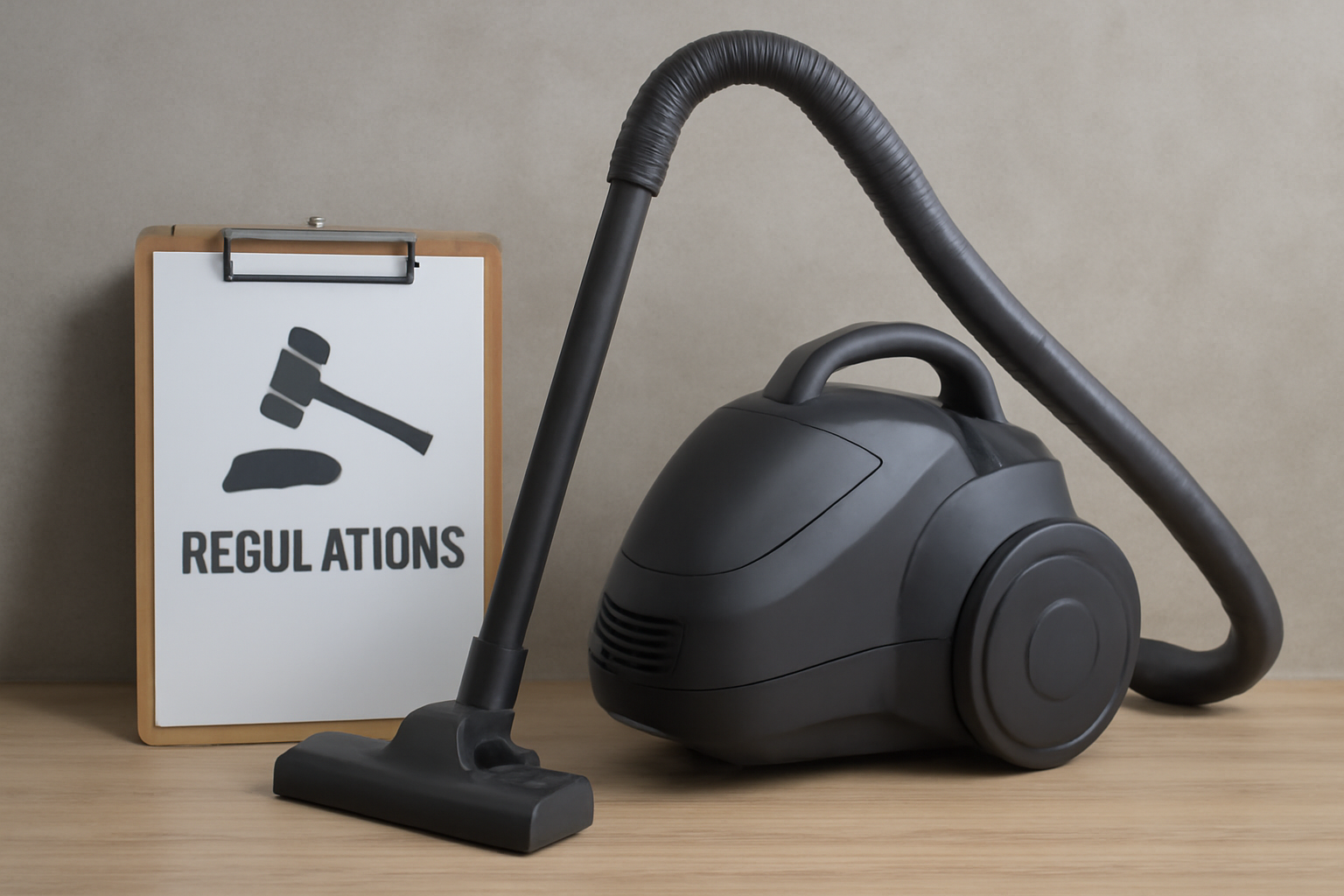
As the vacuum cleaner market continues to expand globally, manufacturers and distributors must be aware of the various regulations governing the industry in different countries. Compliance with these regulations is essential for legal reasons and also helps build consumer trust by ensuring that products meet safety and environmental standards. In this article, we will explore key regulations that impact vacuum cleaner manufacturers and provide tips on how to navigate the diverse regulatory landscape across different markets.
1. The Role of Regulatory Bodies in Vacuum Cleaner Standards
Regulatory bodies play a crucial role in setting and enforcing standards for vacuum cleaners. These organizations ensure that products meet essential safety, energy efficiency, and environmental criteria. For example, the European Union (EU) has specific rules regarding the energy efficiency of household appliances, including vacuum cleaners. The Energy Labeling Directive and EcoDesign Directive are two primary regulations governing energy consumption and product design. Manufacturers must ensure that their products, such as a high suction vacuum cleaner or a quiet vacuum cleaner, adhere to these rules before entering the European market.
In the United States, regulatory bodies like the Department of Energy (DOE) and the Environmental Protection Agency (EPA) set standards for energy efficiency and emissions. These agencies ensure that vacuum cleaners meet specific power consumption limits, which are particularly relevant for products like energy-saving efficient powerful vacuum cleaners.
For more detailed information on global energy standards, check out the International Energy Agency.
2. Energy Efficiency Regulations
Energy efficiency has become a key focus in the regulation of household appliances. As energy costs rise and environmental concerns grow, governments around the world are implementing stricter energy regulations. In the EU, vacuum cleaners are required to display energy labels that show the product’s energy consumption. These labels, which rate products from A+++ to D, provide consumers with clear information about the vacuum cleaner’s energy efficiency.
The EU Ecodesign Regulation requires manufacturers to reduce the energy consumption of cordless vacuum cleaners, ensuring that even compact, portable devices are energy efficient. Companies looking to enter the EU market with a cordless handheld vacuum cleaner or multi-functional durable vacuum cleaner must make sure that their products meet these standards.
In the U.S., the Energy Star certification program helps consumers identify energy-efficient products. Products like wet dry vacuum cleaners that meet Energy Star standards can benefit from greater consumer interest due to the growing emphasis on sustainability and energy savings.
3. Noise Regulations
Noise levels are another critical aspect of vacuum cleaner regulations. In many countries, including the EU and Japan, vacuum cleaners must adhere to noise emission standards. For example, the EU’s Noise Emission Directive regulates the permissible noise levels of vacuum cleaners. The directive requires manufacturers to ensure that their products, such as fast lightweight vacuum cleaners, do not exceed certain decibel levels during operation.
Consumers in noise-sensitive regions, like Europe and Japan, increasingly prefer quiet vacuum cleaners that provide high cleaning efficiency without disruptive noise. Manufacturers aiming to enter these markets must ensure that their vacuum cleaners meet these noise regulations to avoid penalties and appeal to the target market.
To learn more about international noise standards for appliances, check out this World Health Organization report on noise.
4. Safety Standards and Certifications
Vacuum cleaners must meet stringent safety standards to protect consumers from electrical hazards, fire risks, and mechanical injuries. In the U.S., products are generally required to obtain UL certification (Underwriters Laboratories), ensuring that they meet safety standards for electrical appliances. Similarly, in the EU, vacuum cleaners must comply with CE marking requirements, which indicate conformity with EU safety, health, and environmental protection standards.
For manufacturers of cordless vacuum cleaners, safety standards are particularly important due to the increased risk of battery-related hazards. Companies must ensure their products pass safety tests to guarantee that a cordless handheld vacuum cleaner or large-capacity wet dry vacuum cleaner is safe for consumer use.
To gain further insight into appliance safety certifications, check out this Consumer Product Safety Commission (CPSC) guide.
5. Environmental Regulations
With an increasing global focus on sustainability, many countries are imposing regulations to reduce the environmental impact of household appliances. These regulations often require manufacturers to design products that are energy-efficient, recyclable, and free from hazardous materials. The EU’s RoHS (Restriction of Hazardous Substances) directive restricts the use of certain hazardous substances in electrical appliances, while the Waste Electrical and Electronic Equipment (WEEE) directive mandates that vacuum cleaner manufacturers take responsibility for recycling and disposal.
For manufacturers producing portable self-cleaning vacuum cleaners or wet dry vacuum cleaners, compliance with environmental standards is becoming a critical consideration. Many consumers are increasingly eco-conscious and prefer products that minimize their environmental footprint.
6. Regional Differences in Regulations
It’s important to note that regulations vary significantly across different regions and countries. For example, while energy efficiency is a major regulatory focus in the EU and U.S., it may not be as strict in emerging economies. Manufacturers must conduct thorough research to understand the specific requirements for each market they wish to enter.
In some regions, regulations might be more lenient, especially when it comes to energy consumption or product safety. However, as global demand for energy-efficient and environmentally friendly products grows, manufacturers will need to adapt to the evolving regulatory landscape in all markets, including emerging economies.
7. Overcoming Barriers to Compliance
Adhering to diverse regulations can be challenging for vacuum cleaner manufacturers, particularly when entering new markets. The complexity of regulations, coupled with the need to adapt products to meet local standards, can make market entry costly and time-consuming. To overcome these challenges, manufacturers should:
Work with local partners and distributors who understand the regulatory environment in each market.
Invest in research and development to ensure their products meet global standards, such as energy efficiency and safety regulations.
Stay informed about changes in regulations and update products accordingly.
8. The Future of Vacuum Cleaner Regulations
Looking ahead, it is expected that governments around the world will continue to implement stricter regulations for vacuum cleaners, focusing on energy efficiency, safety, noise levels, and environmental impact. Manufacturers who proactively adopt green technologies and innovate to meet regulatory standards will be better positioned to succeed in global markets.
For example, products like the 4 in 1 cordless smart wet & dry vacuum cleaner, which incorporate advanced technology and eco-friendly designs, will likely see higher demand as regulations become more focused on sustainability.
Conclusion
Vacuum cleaner manufacturers must be aware of the regulations governing their products in different countries to ensure compliance and capture market opportunities. Whether focusing on energy efficiency, noise reduction, or safety standards, companies must adapt their products to meet the diverse regulatory requirements in each market. By staying informed and developing products that meet these standards, businesses can build consumer trust and secure success in the global vacuum cleaner market.
For more information on vacuum cleaner regulations, visit www.lxvacuum.com.
📌 Hashtag:
High Suction Vacuum Cleaner, Quiet Vacuum Cleaner, Portable Self-Cleaning Vacuum Cleaner, Multi-Functional Durable Vacuum Cleaner, Fast Lightweight Vacuum Cleaner, Energy-Saving Efficient Powerful Vacuum Cleaner, Large-Capacity Wet Dry Vacuum Cleaner, Cordless Handheld Vacuum Cleaner, Wet Dry Vacuum Cleaners, 4 in 1 Cordless Smart Wet & Dry Vacuum Cleaner, Cordless Vacuum Cleaner, Car Vacuum Cleaner, Eco-Friendly Vacuum Cleaner, Smart Vacuum Cleaner, Rechargeable Vacuum Cleaner, Wireless Vacuum Cleaner, Handheld Wet Dry Vacuum Cleaner, Multi-Use Vacuum Cleaner, Smart Wet Dry Vacuum Cleaner, Powerful Cordless Vacuum Cleaner, Commercial Wet Dry Vacuum Cleaner, Compact Vacuum Cleaner, Durable Vacuum Cleaner, Quiet High-Suction Vacuum Cleaner, Rechargeable Handheld Vacuum, High-Power Vacuum Cleaner, Silent High-Suction Vacuum, Portable Wet-Dry Vacuum Cleaner, Lightweight Cordless Vacuum Cleaner, Bagless Vacuum Cleaner, Commercial Vacuum Cleaner, HEPA Filter Vacuum Cleaner, Cordless Carpet Cleaner, Industrial Vacuum Cleaner, Heavy Duty Vacuum Cleaner, Vacuum Cleaner for Pet Hair, Wet and Dry Cleaning Vacuum Cleaner, Vacuum Cleaner with Long Battery Life, Handheld Vacuum Cleaner for Car, Smart Robot Vacuum Cleaner, Automatic Vacuum Cleaner, Best Cordless Vacuum Cleaner, Multi-Purpose Handheld Vacuum Cleaner, Advanced Suction Vacuum Cleaner, Wet Dry Industrial Vacuum Cleaner, Home Vacuum Cleaner, Eco-Friendly Cleaning Solution, Sustainable Vacuum Cleaner, Smart Home Vacuum Cleaner, Compact Cordless Vacuum Cleaner, Smart Suction Vacuum Cleaner.