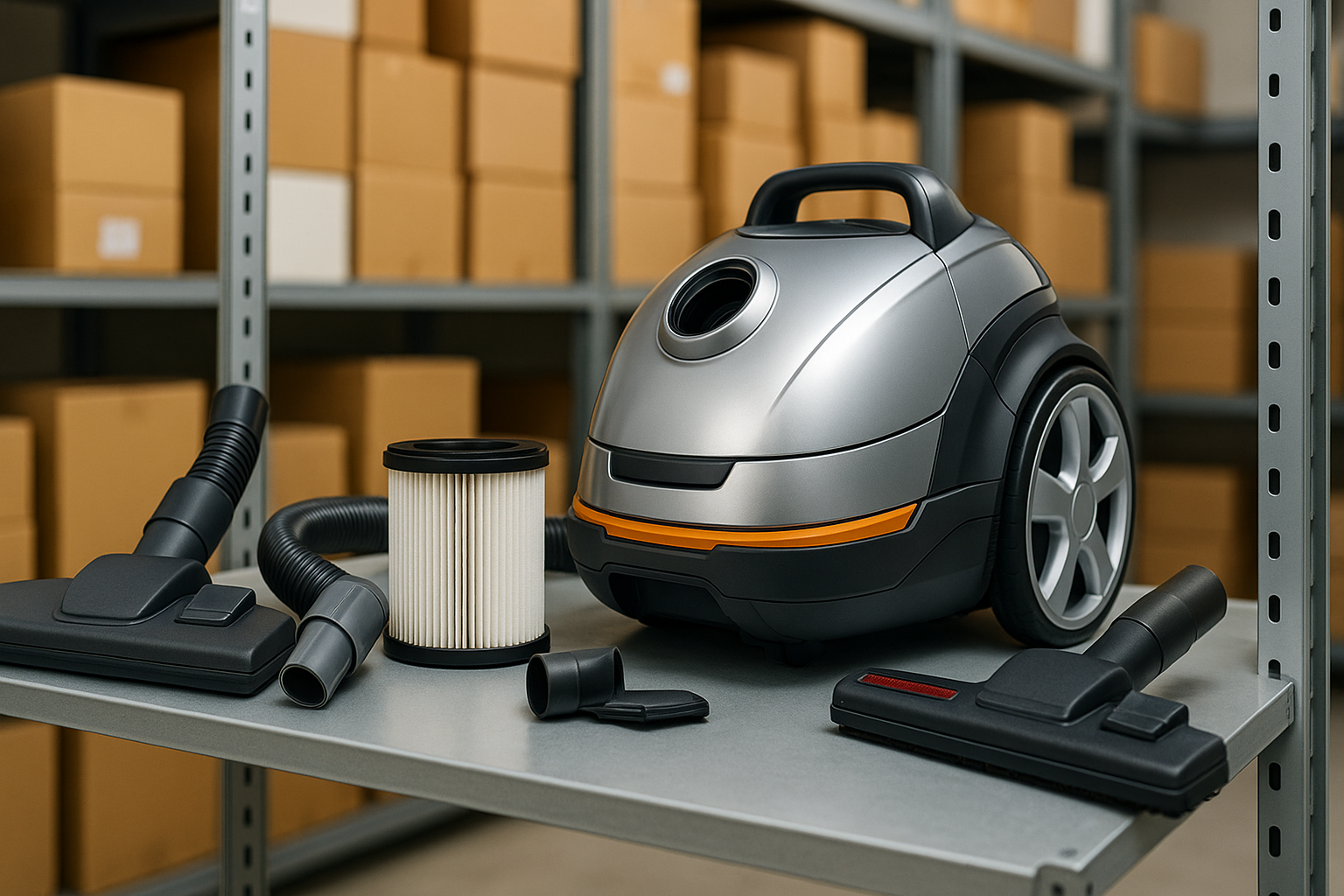
In the vacuum equipment industry, after-sales service is no longer a secondary concern—it’s a competitive differentiator. One of the most impactful post-sale strategies is the development of localized spare parts supply networks, which significantly affect both the resale value of equipment and long-term buyer retention.
Faster Maintenance Improves Equipment Uptime
When spare parts are available locally, repair times shrink dramatically. Industrial buyers, especially in facilities management or hospitality sectors, need quick solutions. Delays in sourcing filters, motors, or seals from overseas warehouses often translate into costly downtime. According to a report by Logistics Management, localized parts hubs can reduce lead time by up to 65% in equipment-intensive industries.
Increased Buyer Confidence During Procurement
Buyers often ask a simple but critical question: “If something breaks, how fast can I get it fixed?” Brands with domestic or regional parts distribution centers signal reliability and commitment. A white paper from Supply Chain Dive explains that proactive parts availability boosts procurement confidence and lowers perceived ownership risk.
Enhanced Equipment Resale Value
Used vacuum equipment with guaranteed parts availability fetches significantly higher prices in the secondary market. Distributors and buyers know they can maintain the unit longer or resell it with minimal refurbishment. Analysis by Resale Value Index shows that appliances with a localized parts ecosystem maintain up to 20% higher residual value after three years.
To maximize these benefits, vacuum systems must be built for long-term use—offering high-suction capabilities along with a quiet and portable profile, combined with self-cleaning features, multi-functional modularity, and durable engineering—designed for fast operations, lightweight handling, and energy-saving performance in both wet and dry high-capacity scenarios—all embodied in a powerful vacuum cleaner.
Conclusion
A well-structured, localized parts network is more than a logistical asset—it’s a growth strategy. It drives trust at the point of sale, enhances long-term asset value, and ensures the kind of support that keeps buyers loyal.
✅ Explore how localized support networks transform vacuum equipment ownership at www.lxvacuum.com