This article discusses strategies for reducing the carbon footprint in vacuum cleaner production, including energy optimization, sustainable sourcing, and product longevity.
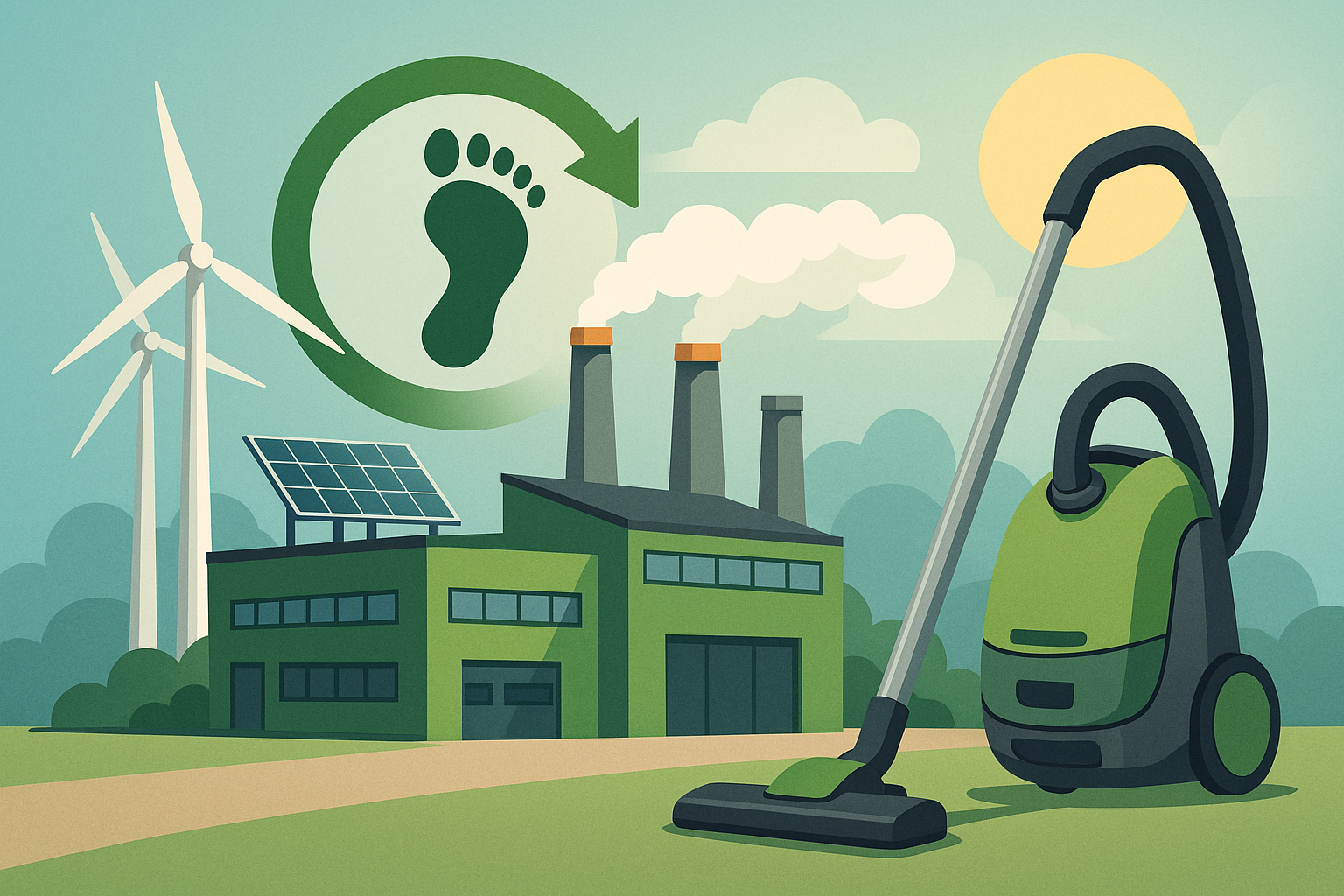 As sustainability becomes central to manufacturing, vacuum cleaner producers are seeking innovative ways to reduce their carbon footprint. Achieving lower emissions throughout the supply chain is not just about regulatory compliance—it’s also about appealing to eco-conscious consumers and ensuring long-term business success.
Optimizing Energy Use in Manufacturing
Producers are increasingly adopting renewable energy sources and modernizing their facilities with energy-efficient machinery. Lifecycle analysis tools help identify high-emission processes and guide improvements. Lean production and waste reduction strategies can further decrease energy use. For more, see U.S. Department of Energy – Industrial Energy Management.
Sourcing Low-Impact Materials
Switching to recycled plastics, biodegradable polymers, and responsibly mined metals reduces emissions linked to raw material extraction and processing. Environmental certifications and supplier partnerships are essential for validating low-carbon supply chains. To understand sustainable sourcing, visit World Resources Institute.
Enhancing Product Longevity and Repairability
Extending product life and supporting repair reduces waste and manufacturing frequency, leading to fewer total emissions. Designing vacuum cleaners for modular repairs and spare part availability is now a leading trend. For circular economy insights, explore the Ellen MacArthur Foundation.
By integrating high suction power, advanced filtration, ideal weight, minimized noise, innovative attachments, long runtime, both corded and cordless flexibility, unmatched portability, and wet and dry performance—all while minimizing environmental impact—manufacturers create the next generation of sustainable vacuum cleaner.
Discover further innovations at www.lxvacuum.com.











