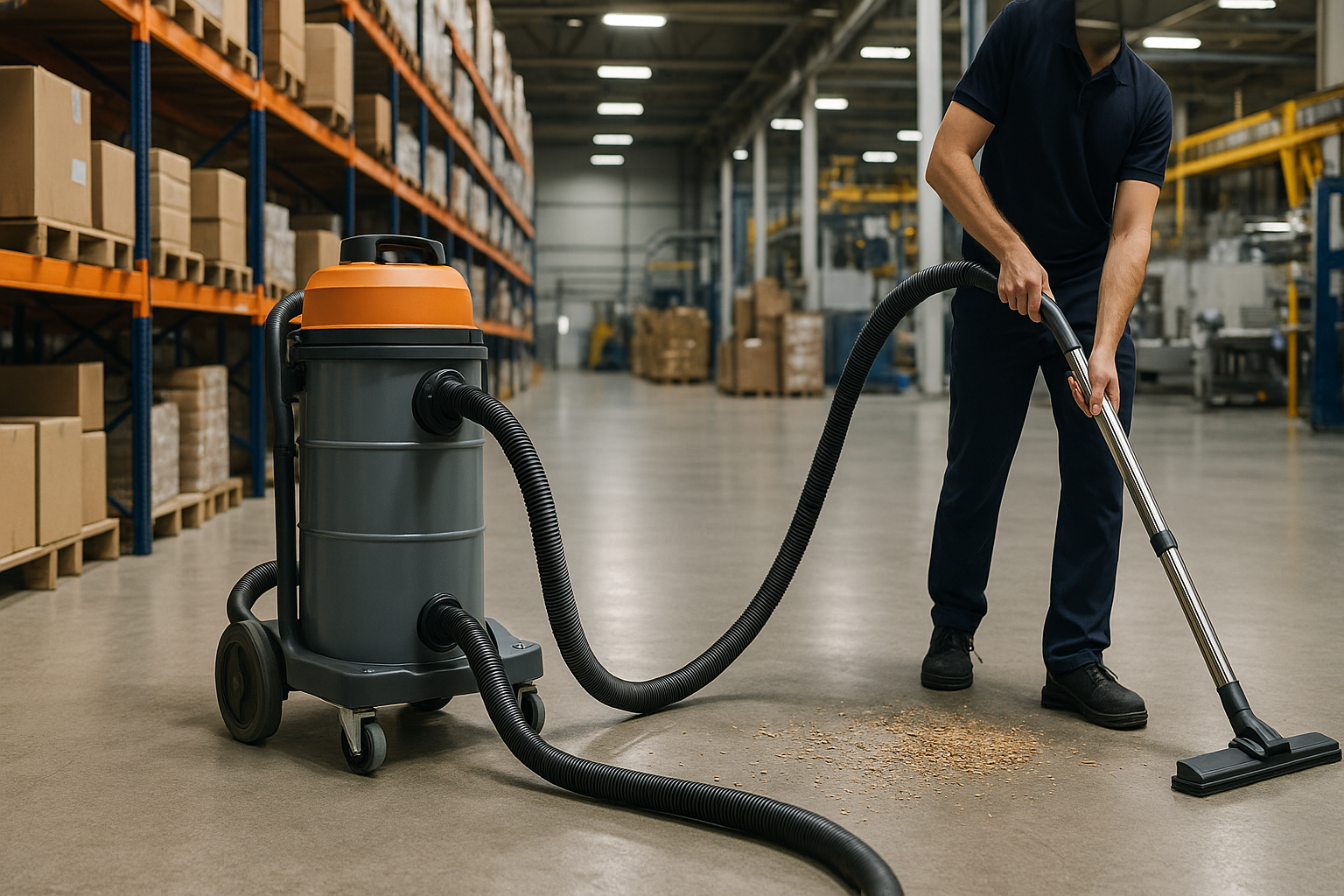
 Warehouses and factories face unique cleaning challenges, from heavy debris to fine dust, oil spills, and even metal shavings. The right industrial vacuum cleaner not only boosts productivity but also safeguards workers’ health and prolongs facility equipment life.
Why Industrial-Grade Matters
Industrial vacuums are built for power and durability, featuring high-capacity motors and robust filtration systems that trap even the smallest airborne particles. They are often equipped with extended runtime, wet/dry capabilities, and a wide selection of attachments for tackling everything from large debris on factory floors to hazardous materials in manufacturing zones. Leading brands design their vacuums to be portable despite their size, helping teams clean large spaces efficiently. Explore safety guidelines for industrial cleaning at Occupational Safety and Health Administration (OSHA).
Features for Demanding Environments
Key considerations include suction power, advanced multi-stage filtration, corded versus cordless operation, and noise level—especially in 24-hour production facilities. Industrial vacuums must handle a wide range of materials and liquids, supporting both spot-cleaning and continuous use. For engineering and product news, check Plant Engineering Magazine.
Selecting the Right Model
When choosing an industrial vacuum, evaluate tank capacity, filter type, portability, and ease of maintenance. Some facilities may require explosion-proof vacuums or those certified for specific dust classes. For standards and industry trends, refer to the National Floor Safety Institute.
Ultimately, an industrial facility should seek the highest standards in suction power, advanced filtration, practical weight, controlled noise, adaptable attachments, long runtime, corded or cordless configurations, enhanced portability, and wet/dry functionality—all combined in an industrial vacuum cleaner.
Discover more solutions at www.lxvacuum.com.











