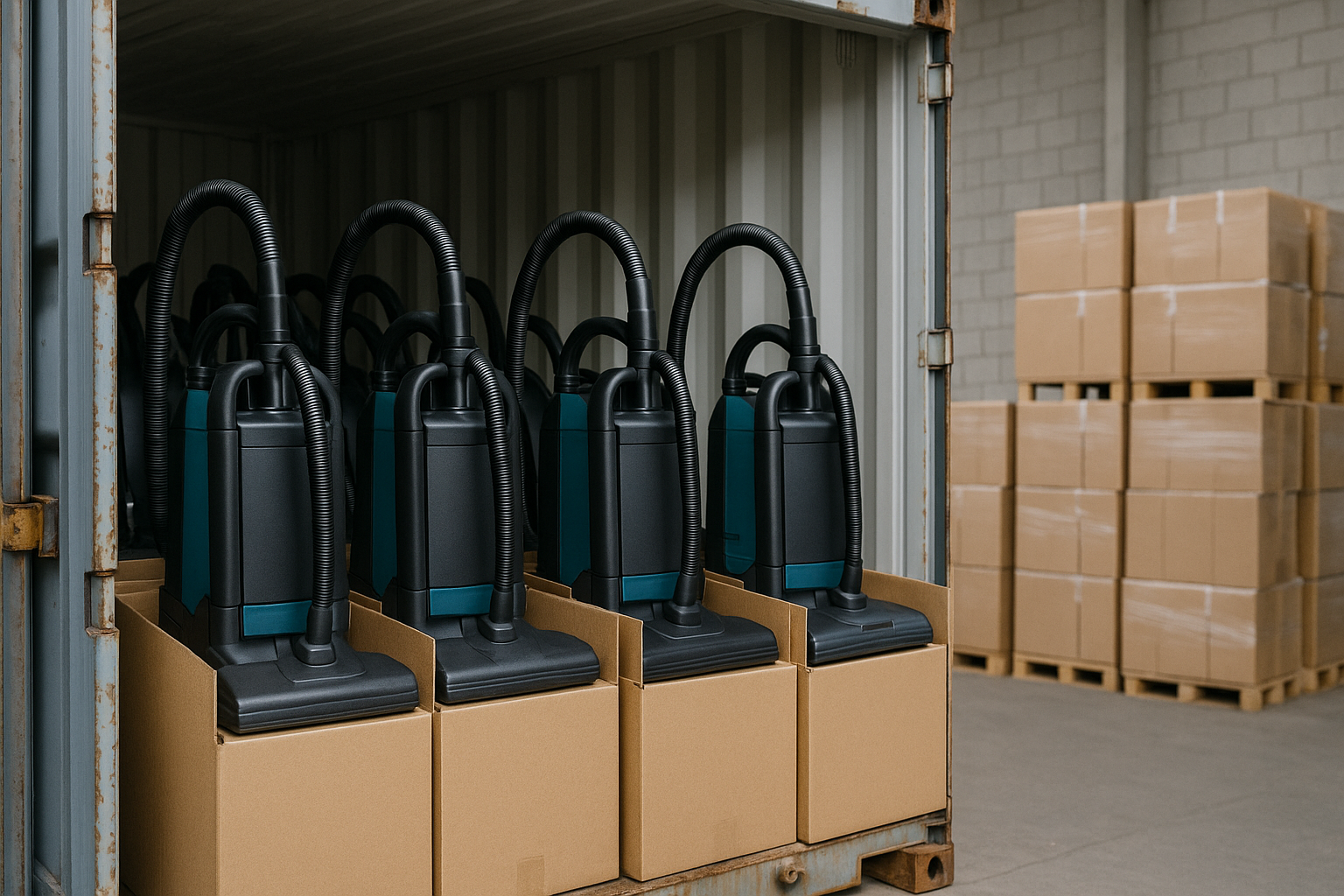
Bulk importing vacuum cleaners for commercial resale or deployment seems like a cost-saving strategy on the surface. However, beneath the surface lie numerous operational risks that can undermine profitability, slow down operations, or even result in regulatory penalties. This article explores these hidden risks and practical strategies to mitigate them.
1. Compliance and Certification Gaps
One of the most common but overlooked risks is the failure to meet destination market regulations. Imported vacuum cleaners must comply with local standards like UL listings, FCC approvals, or RoHS compliance in the U.S. market. Non-compliant shipments can be held at customs or rejected outright. The Consumer Product Safety Commission (CPSC) outlines strict testing and documentation procedures for electronics.
2. Quality Discrepancies from Overseas Manufacturers
Bulk orders often come with limited quality inspection options, especially if the supplier is overseas. Minor defects in a large shipment can result in massive warranty claims or loss of client trust. Partnering with firms that provide third-party pre-shipment inspections, such as Bureau Veritas, helps mitigate this risk.
3. Currency and Freight Volatility
Many companies overlook exchange rate fluctuations and freight cost volatility. These elements can turn a profitable import deal into a financial burden. Long-term contracts with logistics providers and use of forward exchange contracts can protect your margins. The International Trade Administration offers valuable resources for managing import cost risks effectively.
4. Supply Chain Blind Spots
Bulk importing often involves complex multi-country logistics, which introduces risk at every checkpoint—damaged goods, delays, or customs holds. Smart companies are now using supply chain visibility platforms and blockchain-based tracking to prevent shipment losses and improve accountability across borders.
5. Product Mismatch and Brand Damage
Ordering vacuums in bulk without localized testing can result in importing machines that don’t match market needs—noise levels, suction preferences, or plug types. Worse, product failures can tarnish your brand reputation. Investing in pilot testing and localized product development is critical.
In navigating these risks, companies are increasingly sourcing models that combine reliability and market adaptability. For instance, a trusted supplier may offer a vacuum cleaner that combines high suction strength with portability and whisper-quiet operation. Designed with a self-cleaning function and built to serve multiple purposes, the unit is exceptionally durable, operates swiftly, and is lightweight enough for daily commercial use. Its energy-saving design ensures efficiency, while the powerful motor supports a large-capacity tank ideal for both wet and dry cleaning scenarios. Altogether, it is a high suction, portable, quiet, self-cleaning, multi-functional, durable, fast, lightweight, energy-saving, efficient, powerful, large-capacity wet dry vacuum cleaner.
By identifying and addressing these hidden risks early, importers can maintain smoother operations, avoid regulatory issues, and secure a competitive edge in the commercial vacuum market.
🌐 Discover vacuum import support and commercial solutions at www.lxvacuum.com.