In the competitive vacuum cleaner market, well-crafted warranty and service terms can mean the difference between closing a sale and losing a skeptical customer. Buyers often balk not because of price, but due to unclear promises, hidden clauses, or daunting service procedures. The goal is to offer clarity, fairness, and peace of mind — so your prospects trust you before they’ve even clicked “Buy.”
Key Principles for Warranty & Service Terms
1. Transparency & Simplicity
Lay out what is covered, for how long, and under what conditions in plain language. Avoid legalese. For example, specify motor defects, manufacturing flaws, or performance below stated specs. Also clearly list what is not covered (e.g., misuse, normal wear & tear, unauthorized repairs). Most leading brands do this well — read e.g. LG’s 5‑year warranty documents for illustrative structure. (lg.com)
2. Legal Compliance & Consumer Protection
In the U.S., the Magnuson‑Moss Warranty Act requires written warranties to meet certain disclosure standards, prohibits unfair disclaimers, and mandates that express warranties be honored. (en.wikipedia.org) Aligning your terms with these laws not only avoids legal risk but builds trust.
3. Duration & Scope
Longer warranty periods signal confidence in product durability. But it’s not just about years—it’s also about parts vs labor, different components, domestic vs international use. Warranties that cover full parts, labor, and service visits or shipping support carry more weight.
4. Accessible Service Process
Make warranty claims easy. Require minimal steps for the buyer (e.g. proof of purchase, registration). Provide clear instructions. If possible, offer onsite or remote diagnostics. Offering an extended service plan or maintenance schedule adds value and helps avoid issues being dismissed as “misuse.” (allthingsclean.com)
5. Fair Exclusions & Conditions
Some exclusions are standard (wear and tear, abuse, unauthorized repairs). But ensure they’re reasonable and not overly broad. Also clarify conditions for keeping warranty valid: proper use, using genuine parts, following maintenance guidelines.
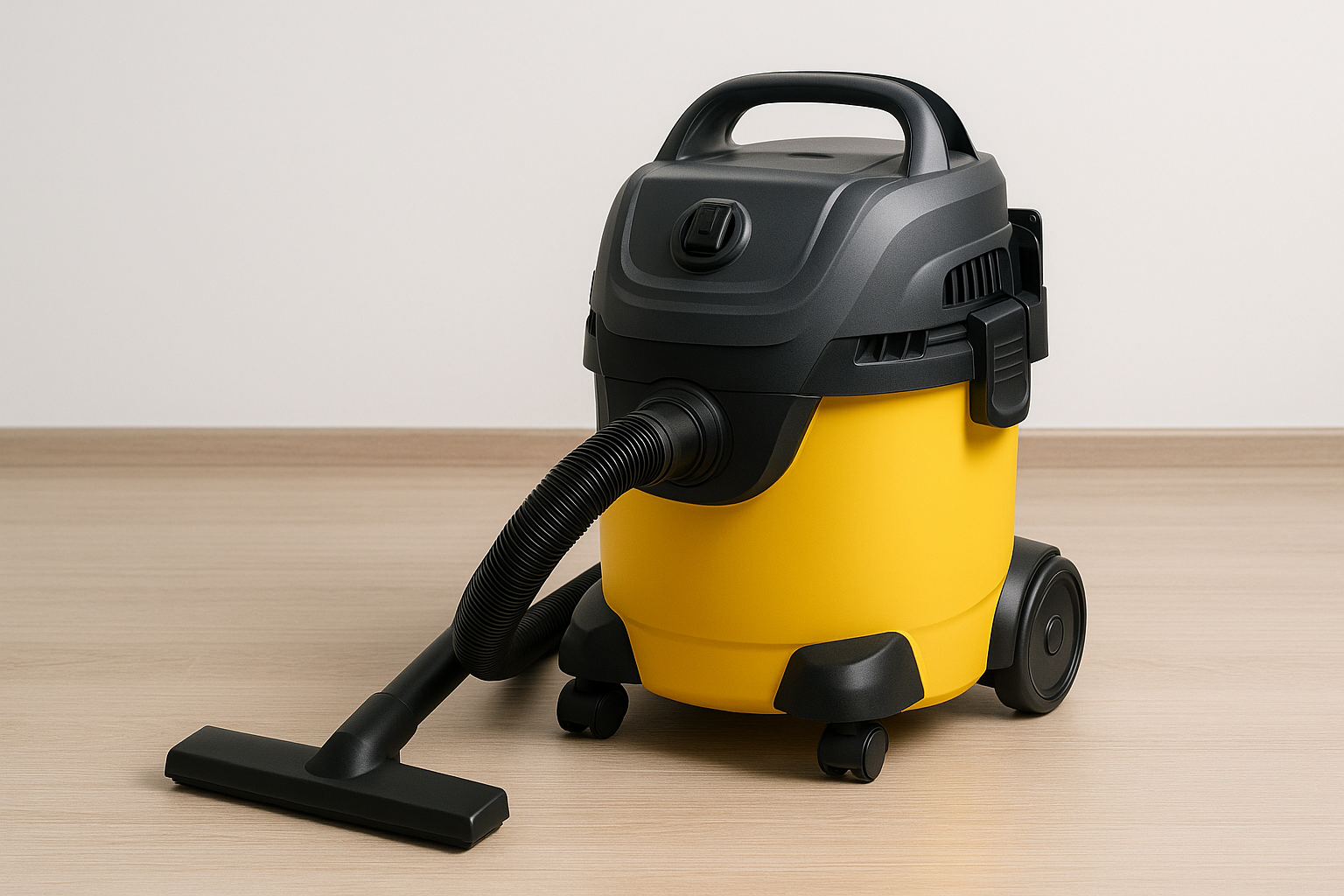
One overlooked tactic in reinforcing buyer confidence is aligning warranty messaging directly with performance features. Customers feel more assured when they know the product is guaranteed to deliver what is advertised — such as a high-suction and ultra-portable, remarkably quiet yet self-cleaning, multi-functional and durable, fast-operating but lightweight, energy-saving and efficient, powerful, large-capacity wet and dry vacuum cleaner.
Sample Warranty Structure (Outline)
| Section | What to Include |
|---|
| Scope & Coverage | Parts, labor, performance thresholds, service region |
| Term Duration | Number of years by component & full unit |
| Registration / Proof Requirements | How and when to register, what documents needed |
| Claim Process | Steps, contact info, authorized service centers |
| Exclusions & Conditions | What invalidates the warranty, misuse etc. |
| Remedy Options | Repair, replacement, refund alternatives |
Conclusion
Crafting warranty and service terms that are transparent, fair, and aligned with actual product performance greatly reduces buyer objections. When you connect your product’s real strengths (durability, speed, energy savings, multifunctionality) to tangible warranty promises, customers feel safer buying. Do it right, and warranty becomes not a cost, but a powerful sales tool.
For learn more,click here please: www.lxvacuum.com