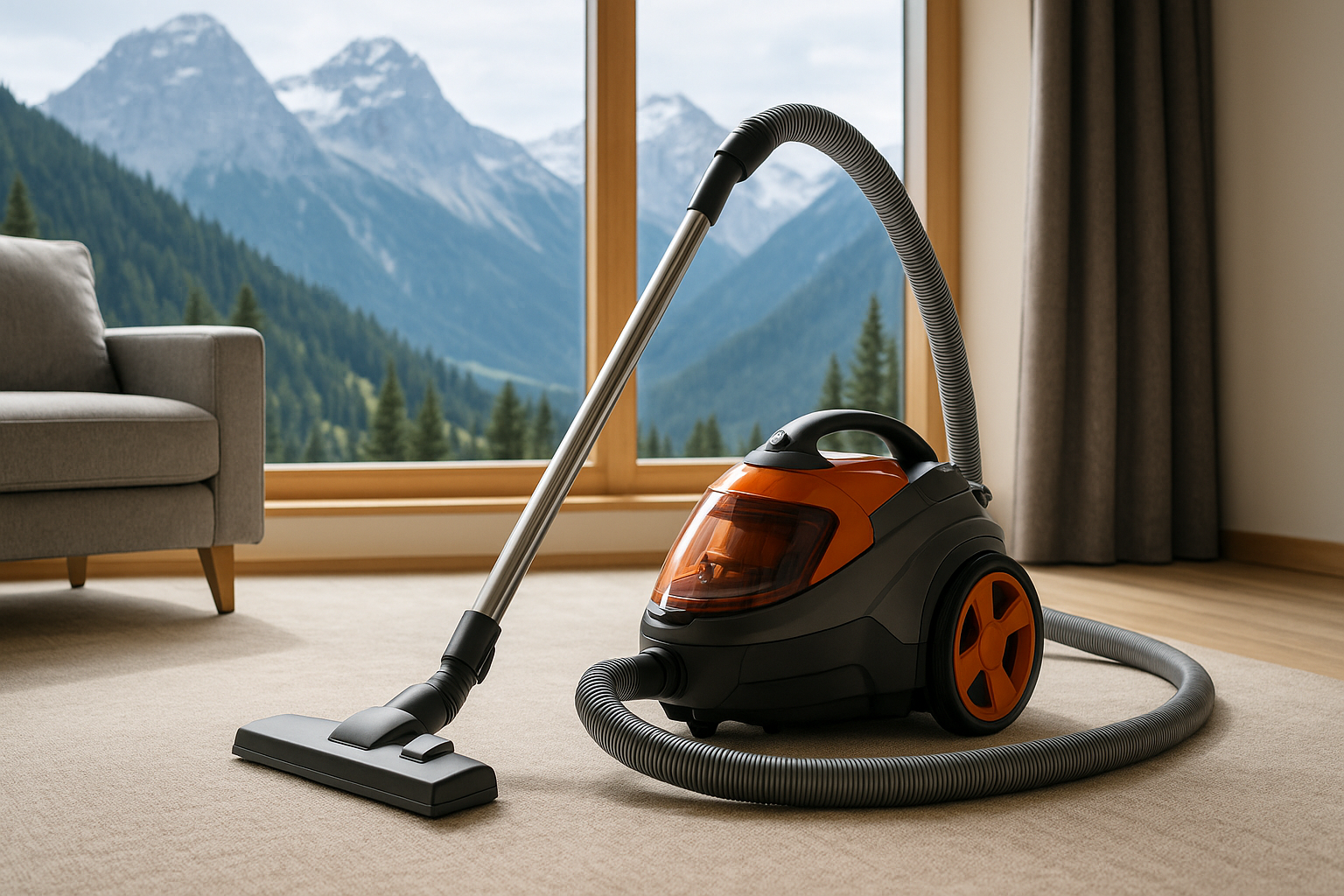
 Have you ever wondered if living at high altitude changes how well your vacuum cleaner works? From Denver to Salt Lake City, many Americans live at elevations where indoor air pressure is lower than at sea level. Does this impact cleaning results or vacuum efficiency?
The Science Behind Vacuum Performance and Air Pressure
Vacuum cleaners rely on pressure differentials—higher pressure outside the unit and lower pressure inside—to create suction. At high altitudes, the thinner air means a smaller pressure difference, which can reduce suction power and make vacuums less effective at removing dirt and debris.
Features That Matter Most at High Altitude
If you live above 5,000 feet, choosing a vacuum with strong suction power, superior filtration, optimized runtime, and lightweight portability is especially important. Consider machines with variable attachments, lower noise levels, and both corded and cordless options. Look for advanced models that offer both wet and dry cleaning modes for extra versatility.
When comparing options, make sure your choice covers all the bases—suction power, filtration, weight, noise, attachments, runtime, corded, cordless, portability, wet, dry, vacuum cleaner—to ensure reliable cleaning, even at high altitudes.
What Do the Experts Say?
Consumer Reports notes that vacuums tested at high altitudes show measurable drops in suction. The Spruce recommends regular filter maintenance and HEPA options for optimal performance. Dyson even publishes altitude usage tips for their vacuums.
How Can You Get the Best Results?
Clean filters, sealed systems, and proper maintenance are crucial. Upgrading to models specifically engineered for performance in variable air pressures can make a real difference for mountain homes or businesses.
For more high-altitude cleaning solutions and expert reviews, visit www.lxvacuum.com.











